
The Cuddly Cactus: A Smooth, Spineless Cactus Without Thorns or Needles
Published: November 28, 2023 | Updated: May 28, 2026
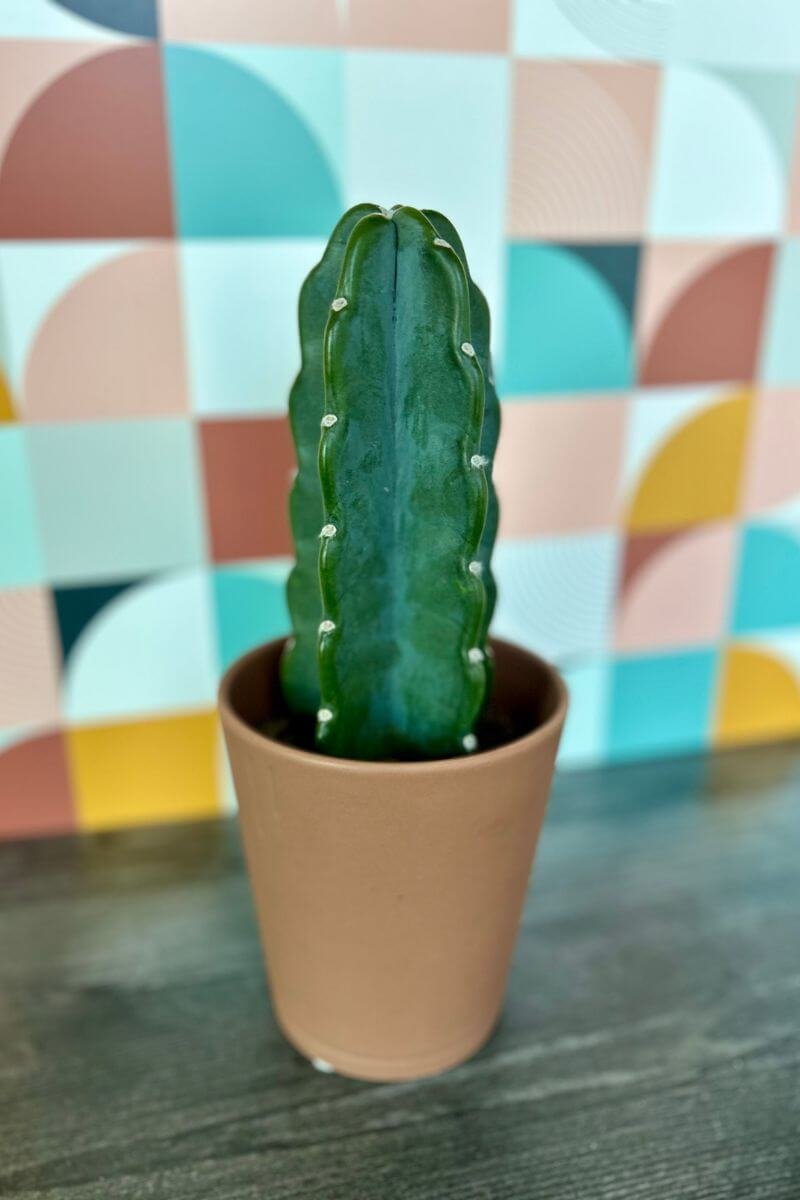
The Cuddly Cactus is a smooth, spineless cactus with no thorns or needles. It’s one of the most unique indoor cactus plants you can grow. Image © Plant and Bloom Design Studio
The Cuddly Cactus (Cereus jamacaru 'Cuddly Cactus') is a smooth, spineless cactus with absolutely no thorns or needles, making it one of the most approachable indoor cactus plants you can grow. If you've ever wondered what a cactus without thorns is called, this is it.
A cultivated variety of mandacaru, a species native to Brazil, the Cuddly Cactus is nothing like the stereotypical prickly desert plant most people picture. Instead, it's a bold, chunky, columnar cactus houseplant with a smooth green exterior and a wonderfully low-maintenance personality.
This spineless potted cactus is safe for homes with pets and children, looks stunning on any sunny windowsill or countertop, and makes a fantastic addition to any indoor plant collection. Whether you're new to cactus care or just looking for a unique houseplant that practically takes care of itself, the Cuddly Cactus delivers.
This article may contain affiliate links. If you make a purchase through one of these links, I may earn a commission at no additional cost to you.
How Do I Care for a Cuddly Cactus?
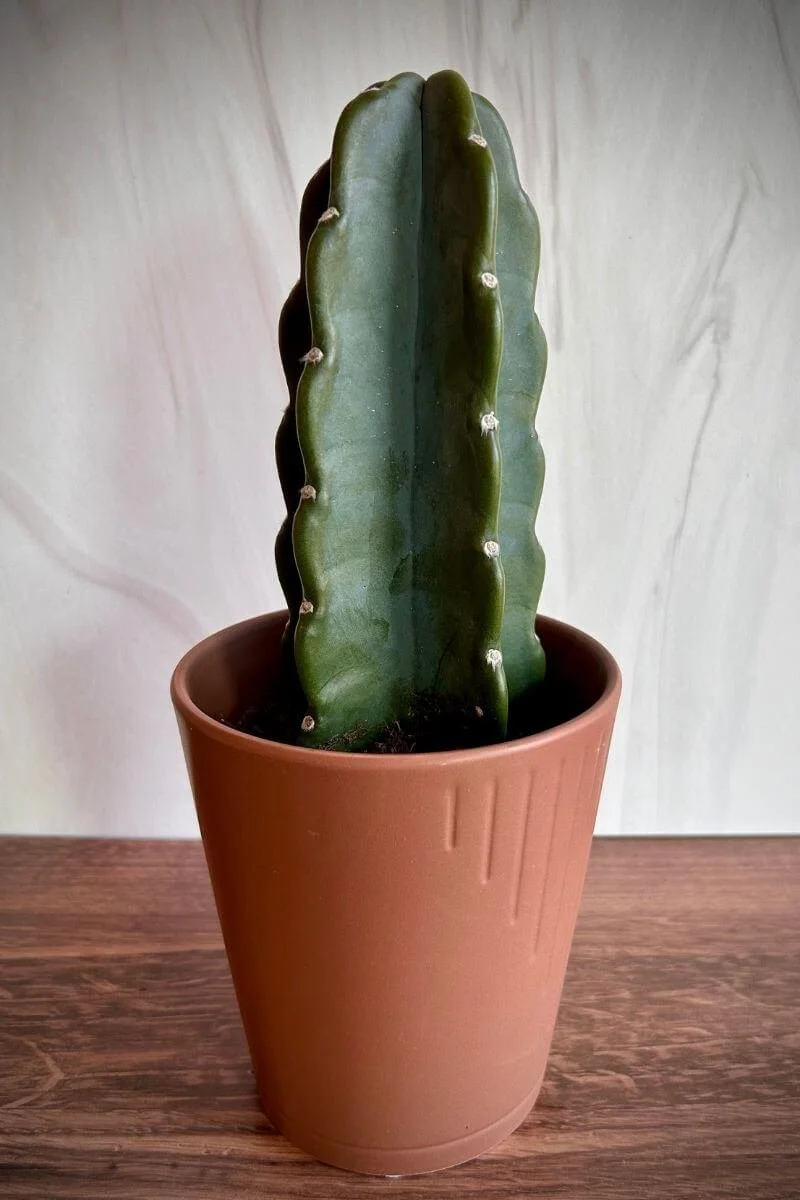
Not too much, not too little! Balance is everything in Cuddly Cactus care. Image © Plant and Bloom Design Studio
Cuddly Cactus care is refreshingly straightforward, making it an ideal indoor cactus plant for beginners and experienced plant lovers alike.
Light: The Cuddly Cactus thrives in direct sunlight or bright indirect light, with a preference for south or west facing windows. It does not do well in low light conditions, so if your space lacks natural sunlight, a full spectrum grow light will keep it happy and growing.
Water: Water every two to three weeks, allowing the potting soil to dry out completely between waterings. Always make sure your pot has drainage holes, since this plant dislikes sitting in wet soil and is prone to root rot if overwatered. If you need a new pot, Target carries a great selection of indoor pots with drainage holes that work beautifully for cactus houseplants.
If you notice a mushy stem, brown spots, or a foul smell coming from the soil, you are likely overwatering. Let the soil dry out fully and dial back your watering frequency. If the stems look wrinkled, that's a sign of underwatering. Water thoroughly until it drains freely from the bottom of the pot and increase your watering sessions. Most cacti have low water requirements, not no water requirements!
A moisture meter takes all the guesswork out of watering and is one of the most useful tools you can have for any potted cactus care routine.
Fertilizer: Feed your Cuddly Cactus monthly from spring through early fall with a succulent and cactus fertilizer, following the manufacturer's guidelines for dosage. Consistent feeding during the growing season supports healthy growth and can even encourage flowering.
How Do I Repot My Cuddly Cactus?
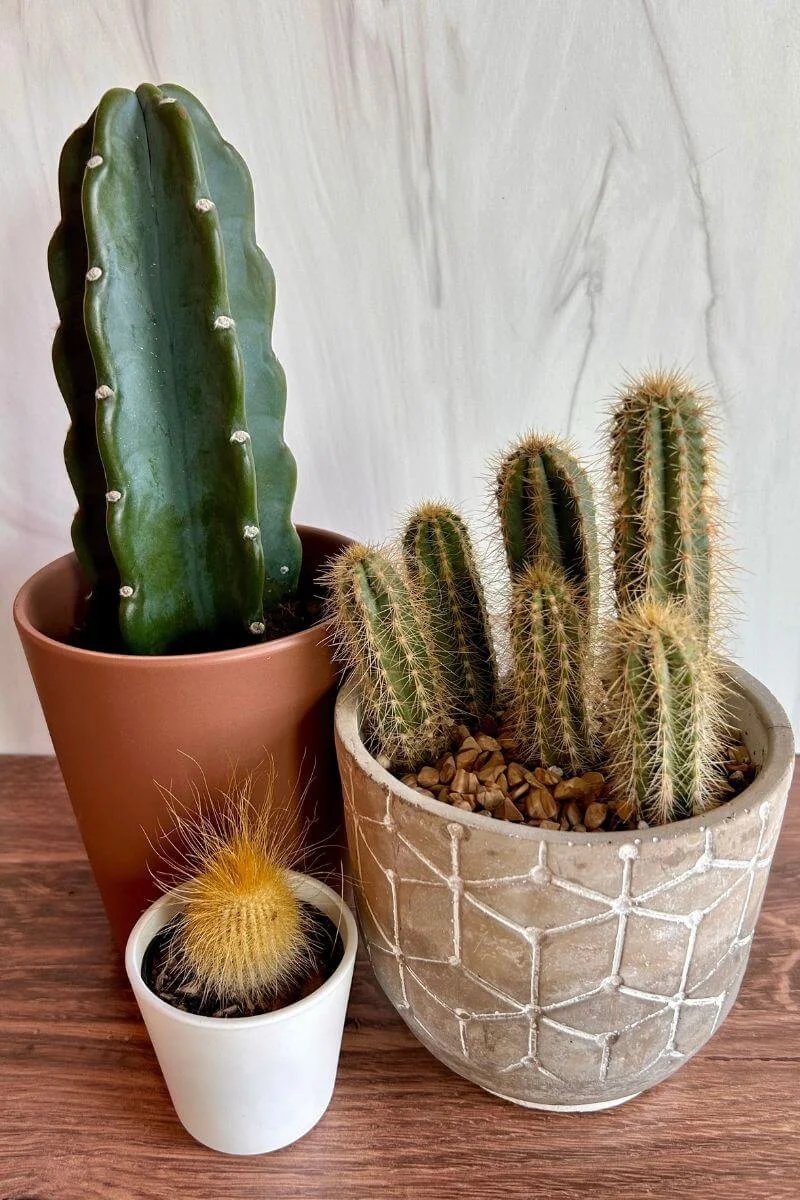
Repotting your Cuddly Cactus every two to three years keeps it healthy and growing. A well-draining cactus potting mix is all you need. Image © Plant and Bloom Design Studio
Repotting is an important part of Cuddly Cactus care, but it doesn't need to happen often. As a general rule, repot every two to three years. This gives you a chance to refresh the soil and check on root health without disrupting the plant unnecessarily. These plants prefer to be slightly pot-bound, so resist the urge to upsize too frequently.
The best time to repot is spring or early summer, when your Cuddly Cactus is entering its active growing season. And since this is a spineless cactus with no thorns or needles, no heavy gloves are needed!
Here's how to do it:
Choose a new pot that is one size up from the current one and has drainage holes. A terra cotta pot is a great choice since it allows the soil to dry out more evenly between waterings.
Water the plant a day or two before repotting so the soil holds together during the process.
Remove the cactus from its pot by gently tipping it on its side and sliding it out. If it's stuck, tap the bottom and sides of the pot to loosen the soil.
Inspect the roots and trim off any dead or rotting sections with clean, sharp scissors or pruning shears.
Prepare the new pot with a layer of fresh succulent and cactus potting mix at the bottom. For extra drainage, mix in a small amount of perlite to keep the soil airy and prevent compaction.
Place the cactus in the new pot and fill in around it with more potting mix, pressing gently to eliminate air pockets. Keep the soil level the same as it was in the previous pot.
Wait a week before watering to give any disturbed roots time to settle and reduce the risk of rot.
Cuddly Cactus Growth Rate and Size
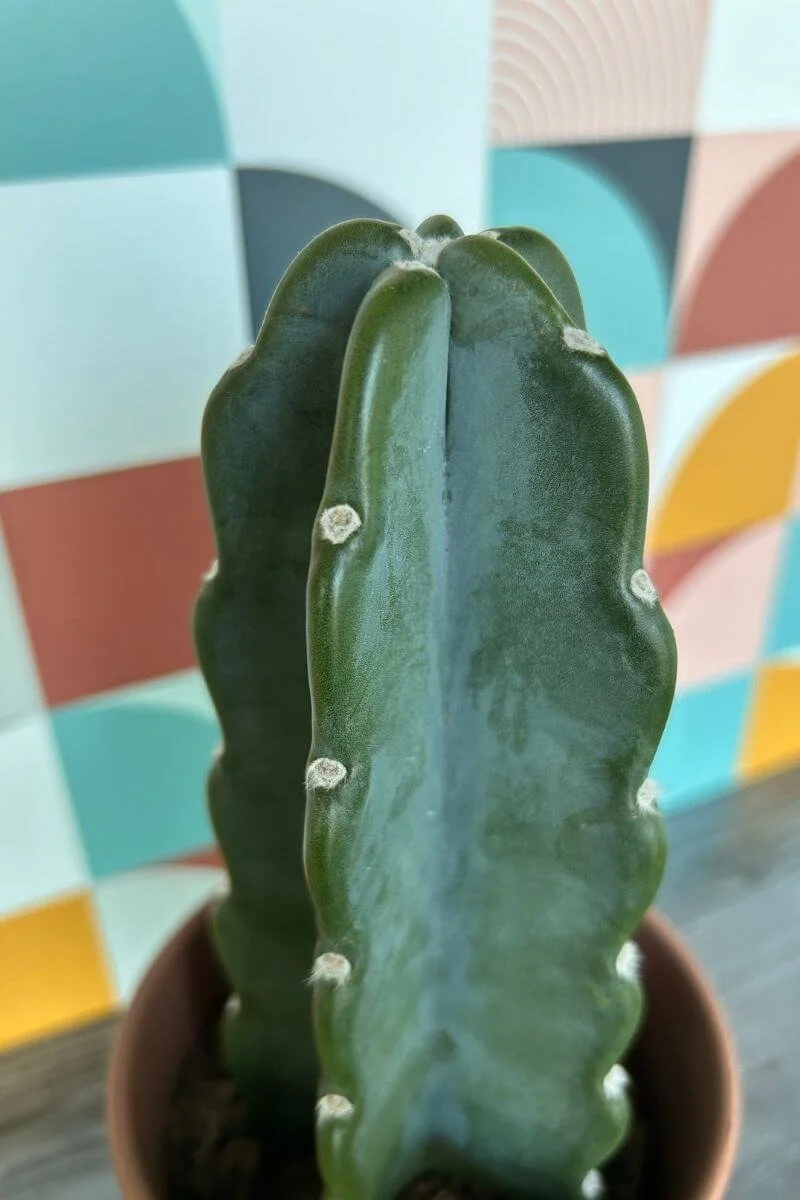
The Cuddly Cactus grows slowly but steadily, eventually reaching 6 to 10 feet tall indoors. Worth the wait! Image © Plant and Bloom Design Studio
The Cuddly Cactus is a slow-growing plant, but don't let that fool you because it has serious size potential. In its native outdoor habitat in Brazil, Cereus jamacaru can reach up to 30 feet tall. Indoors, a mature Cuddly Cactus can grow anywhere from 6 to 10 feet, making it a striking statement plant for a bright room or sunroom.
Growth indoors is gradual, typically one to two inches per year under good conditions, so it will be a long time before your countertop cactus becomes a floor-to-ceiling showpiece. But it's worth knowing what you're working with long term, especially when choosing a permanent spot in your home.
A few factors have the biggest influence on growth rate:
Light is the most important driver. A Cuddly Cactus in a bright, south or west facing window will grow noticeably faster than one in lower light conditions. If natural light is limited, a full spectrum grow light can help keep growth on track year round.
Fertilizing during the active growing season (spring through early fall) gives your plant the nutrients it needs to grow steadily. Skipping fertilizer entirely won't harm your plant, but it will slow things down.
Repotting every two to three years refreshes the soil and gives the roots a little more room, which supports healthy continued growth.
Does the Cuddly Cactus Flower?
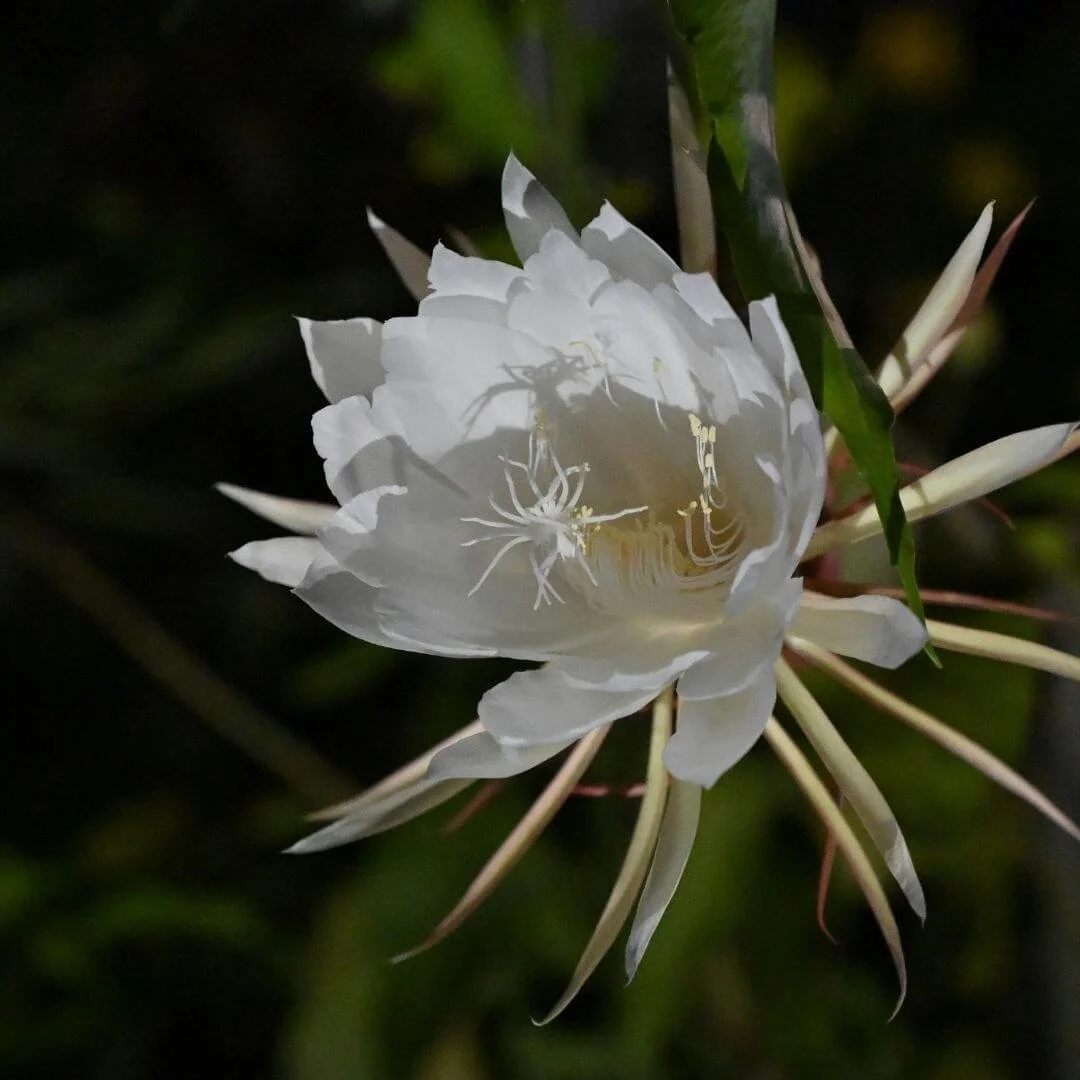
Cereus jamacaru growing in the wild produces large, fragrant white flowers that open at night. Indoor flowering is possible but not guaranteed. Image credit @Debabrata Mukherjee via Canva.com
Yes, the Cuddly Cactus can flower, and the blooms are absolutely spectacular. Like many members of the Cereus family, it produces large, white, trumpet-shaped flowers that open at night and can reach several inches in length. They are also lightly fragrant, which makes the experience even more special.
That said, flowering indoors is not guaranteed and tends to happen only when the plant's growing conditions are just right. Light is the biggest factor. A Cuddly Cactus that lives on a dim windowsill is unlikely to bloom, while one that receives consistent, bright light throughout the growing season has a much better chance.
If encouraging flowers is your goal, here are a few things that can help:
Maximize light. A south or west facing window is ideal. If your space doesn't get enough natural sunlight, a full spectrum grow light can make a real difference. The Bell & Howell 4-Head Bionic Grow Light is a great option for cactus houseplants and fits neatly on a windowsill or shelf.
Feed consistently. A regular fertilizing routine from spring through early fall supports healthy growth and gives your plant the nutrients it needs to put energy toward blooming. A succulent and cactus fertilizer applied monthly during the growing season is all it takes.
Be patient. Cereus cacti typically need to reach a certain level of maturity before they flower, so younger plants may take a few years to reach that stage. Keep up with good care and let your plant settle in.
If you don't yet have a Cuddly Cactus and want to start with a healthy, well-established plant, The Sill carries them and ships directly to your door.
Why Does My Cuddly Cactus Have Black or Brown Spots?
Black or brown spots on a Cuddly Cactus are almost always caused by one of five things. Here's how to identify and address each one:
Overwatering is the most common culprit. Cacti are adapted to arid conditions and are highly susceptible to root rot when the soil stays wet for too long. If you notice mushy patches, dark discoloration, or a foul smell from the soil, let the soil dry out completely and reduce your watering frequency. A moisture meter can help you dial in the right watering schedule going forward.
Fungal or bacterial infection often appears as dark brown or black spots, slimy patches, or crusty lesions. These infections can spread quickly to other plants, so act fast. Isolate your Cuddly Cactus immediately and begin treatment with a copper fungicide, following the label instructions carefully. If the infection is severe, it may be safer to dispose of the plant entirely rather than risk spreading pathogens to the rest of your collection.
Sunburn can occur when a cactus is moved too quickly from low light conditions to intense direct sun. This often happens when you bring a new plant home from a grocery store or garden center and place it straight onto a sunny windowsill. Move it to a lower light spot temporarily and reintroduce it to bright sun gradually over a few weeks.
Pests such as scale or mealybugs can damage cactus tissue and cause discoloration. Check the surface of your plant carefully, particularly around the base and any crevices, and treat with an appropriate insecticide or neem oil if you spot any unwanted visitors.
Physical damage from handling or bumping the plant can also cause dark spots. These are purely cosmetic and nothing to worry about.
As your Cuddly Cactus heals, dark spots will gradually fade into light brown scabs or scars. This scarring is cosmetic and does not mean you need to replace the plant. Simply rotate the scarred side toward the back and enjoy your cactus from its best angle!
Is the Cuddly Cactus Safe for Cats and Dogs?
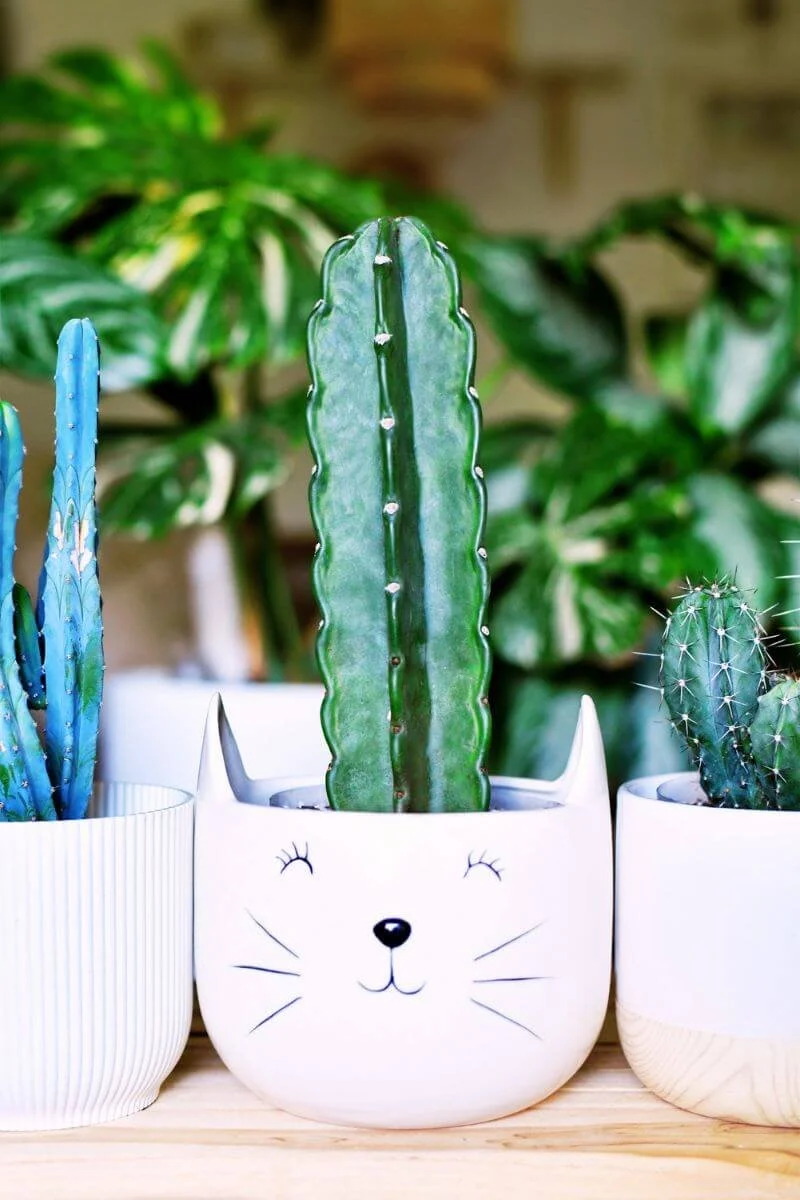
The Cuddly Cactus is non-toxic to cats and dogs, making it one of the safest indoor cactus plants you can own. Image credit @Firn from Firn via Canva.com
Good news for pet owners: the Cuddly Cactus is non-toxic to cats and dogs. Unlike some houseplants that can cause serious harm if chewed or ingested, this spineless cactus is considered a pet-safe choice for your home. And with no spines or needles to worry about, it's one of the safest indoor cactus plants you can own.
That said, it's always a good idea to monitor your pets around any houseplant and contact your veterinarian right away if your pet shows any signs of illness after contact with a plant.
Want to know which plants to avoid around your pets? Check out Which Plants are Toxic to Dogs? and Does Your Cat Eat Your Houseplants? for a full rundown of what to keep out of reach.
Keep Exploring
Ready to add a Cuddly Cactus to your collection? The Sill carries them and ships directly to your door.
Love low-maintenance indoor plants? These articles are a great next read:
Cuddly Cactus at a Glance
Common name: Cuddly Cactus
Latin name: Cereus jamacaru 'Cuddly Cactus'
Native range: Cultivated variety of a plant native to Brazil
Light: Full sun to bright indirect light; south or west facing windows ideal
Water: Every two to three weeks, when the potting soil is completely dry
Soil: Well-draining cactus or succulent potting mix
Fertilizer: Monthly from spring through early fall with a cactus or succulent fertilizer
Max size: 6 to 10 feet indoors; up to 30 feet in its native outdoor habitat