
Butterfly Bush vs Butterfly Weed: A Complete Comparison for Gardeners
Published: April 30, 2026
Discover how these two popular plants compare in looks, care, wildlife value, and garden performance.
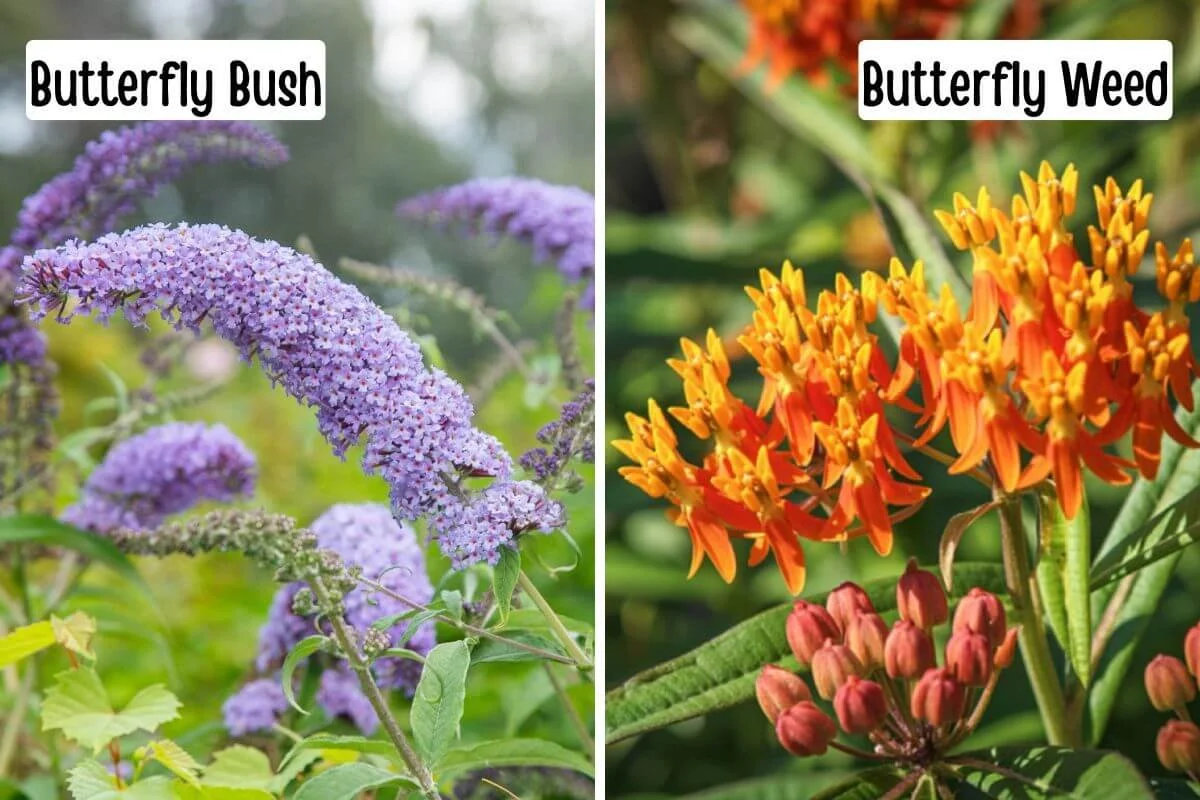
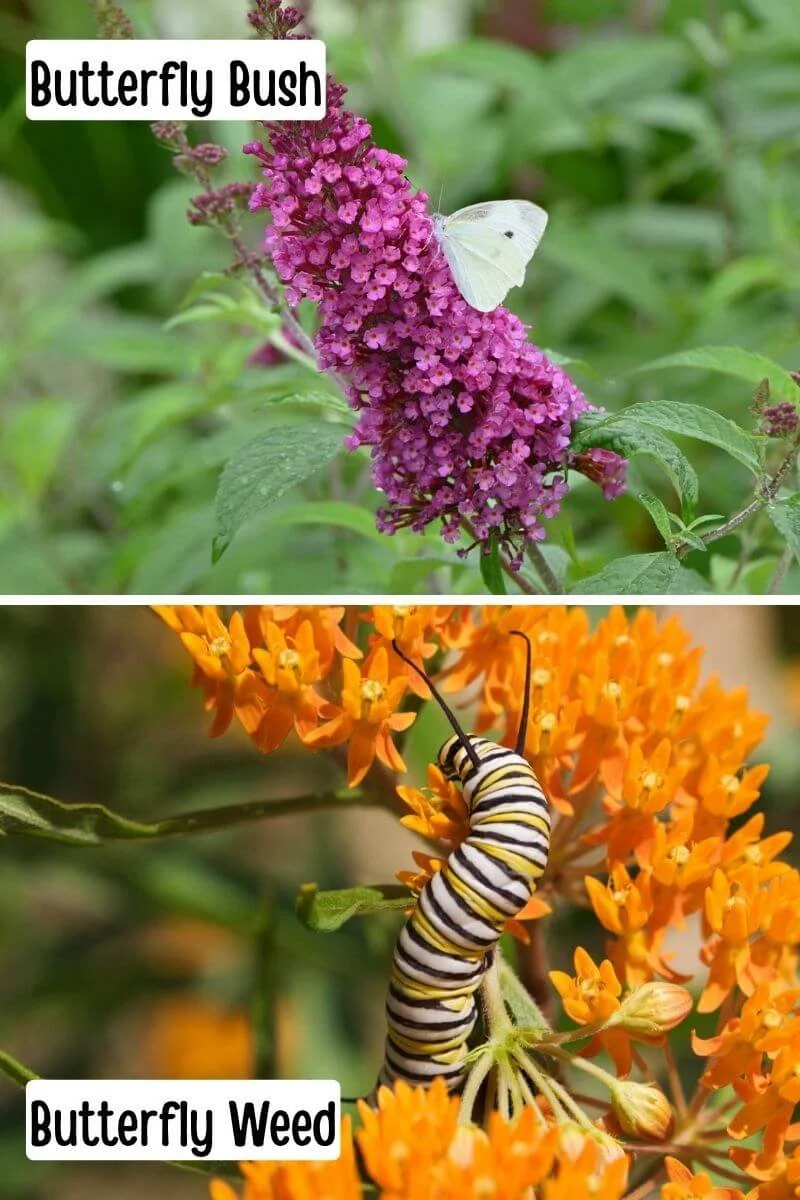
If you've ever typed "butterfly bush vs butterfly weed" into a search bar, you're not alone. These two plants cause more confusion at the garden center than almost anything else, and it's easy to see why. The names sound nearly identical, and both attract butterflies in a big way.
But here's the thing: butterfly bush and butterfly weed are completely unrelated plants, and the differences between them matter, especially if you're gardening with pollinators in mind.
In this article, we'll walk through exactly how these two plants compare in appearance, care, size, wildlife value, and landscaping use, so you can make the right choice for your garden.
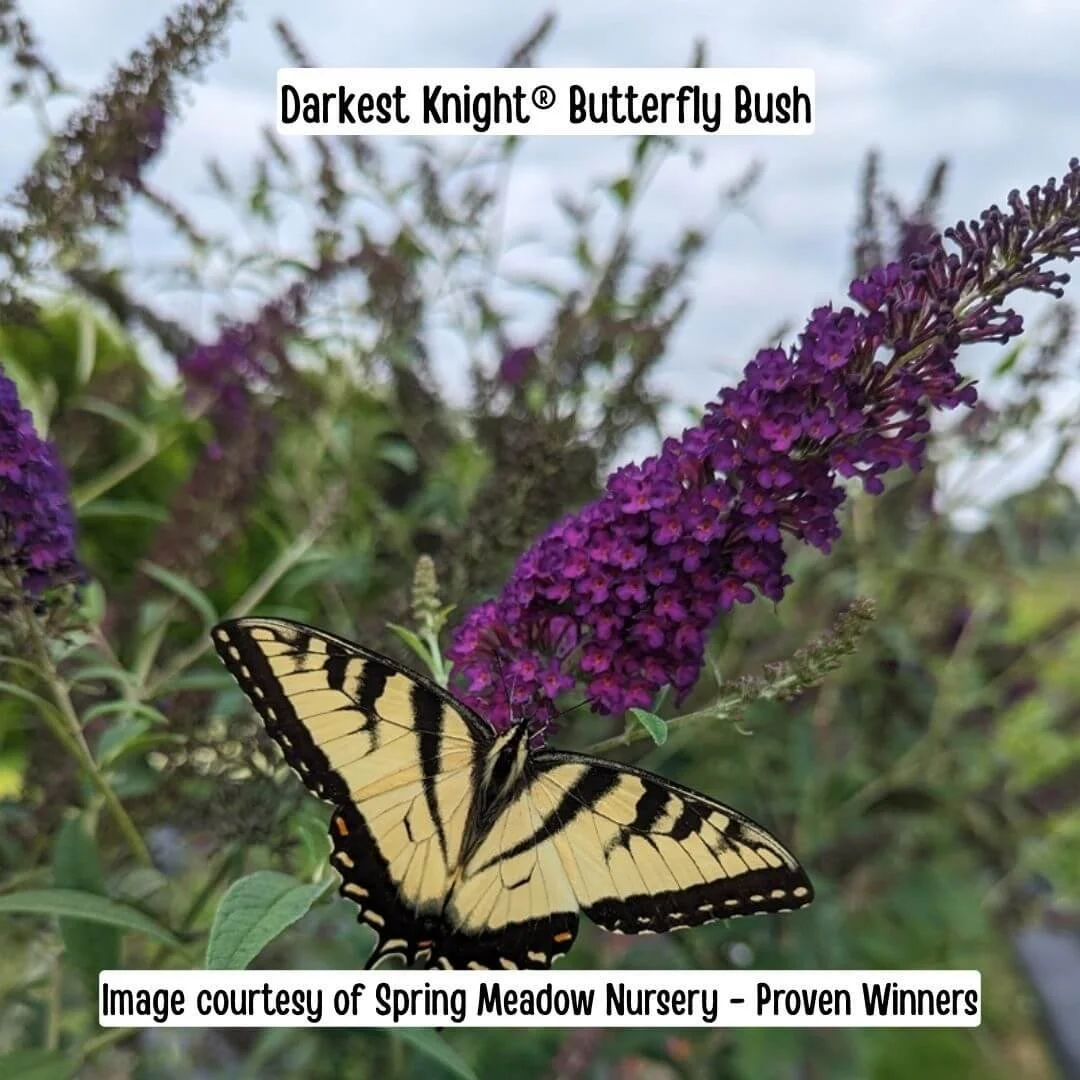
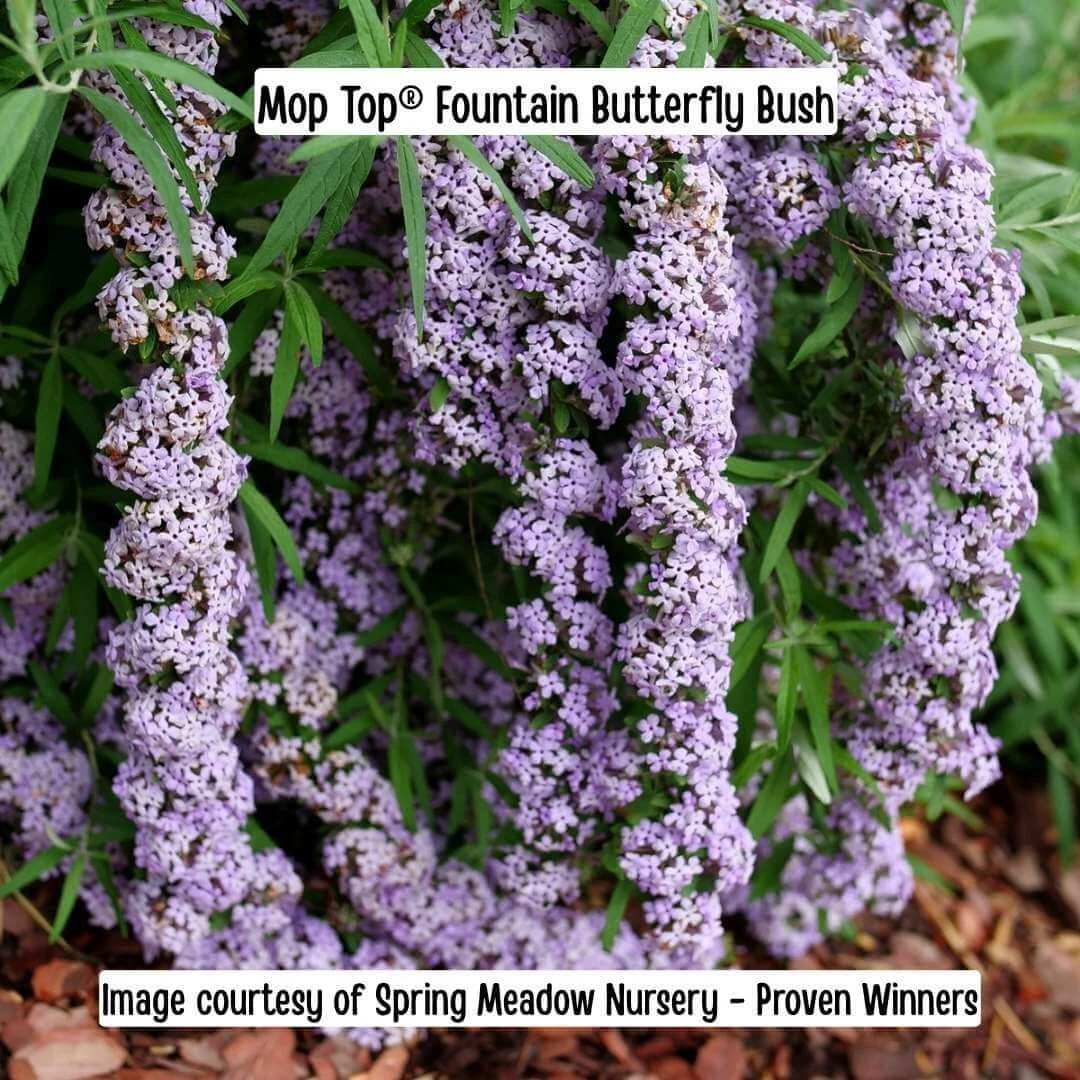
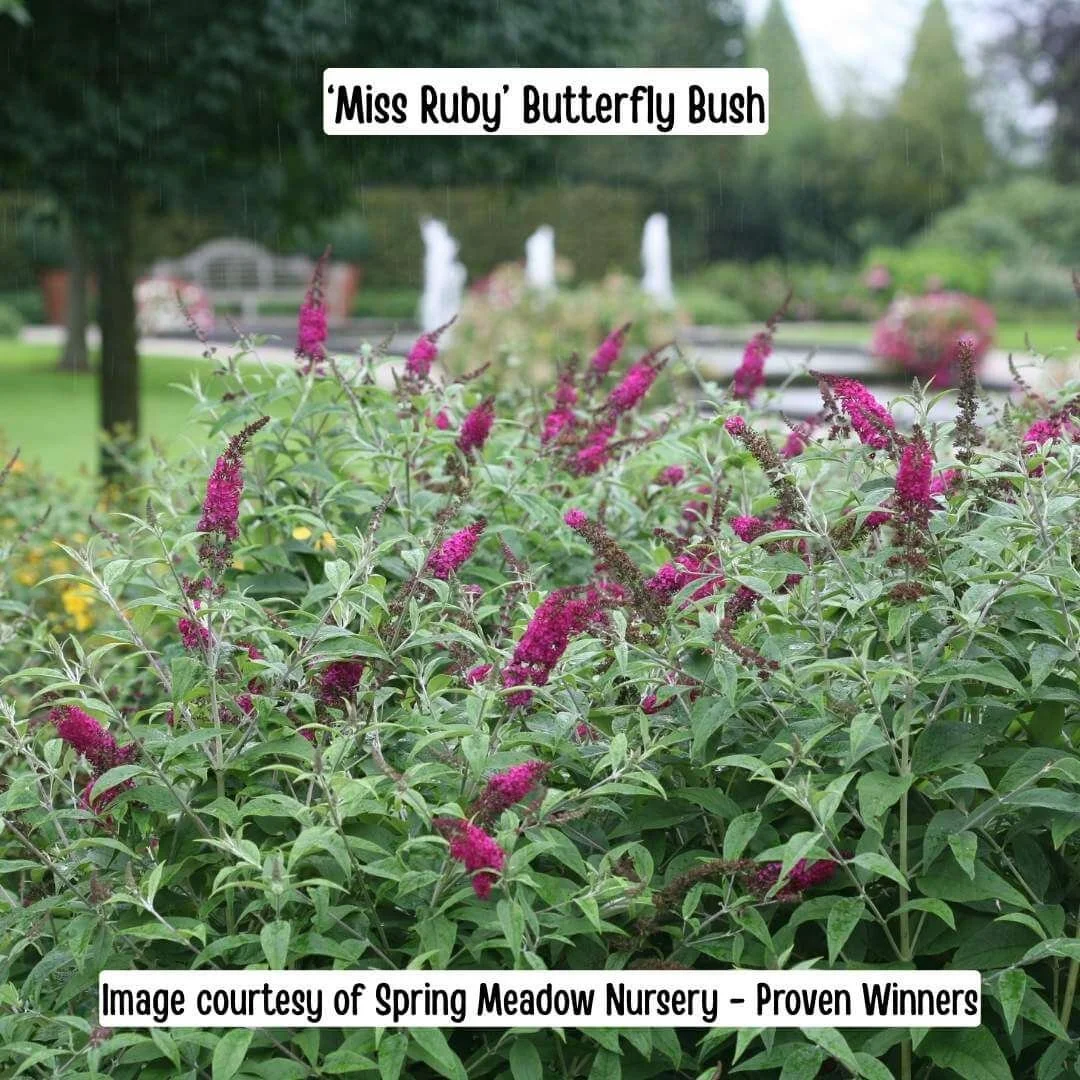
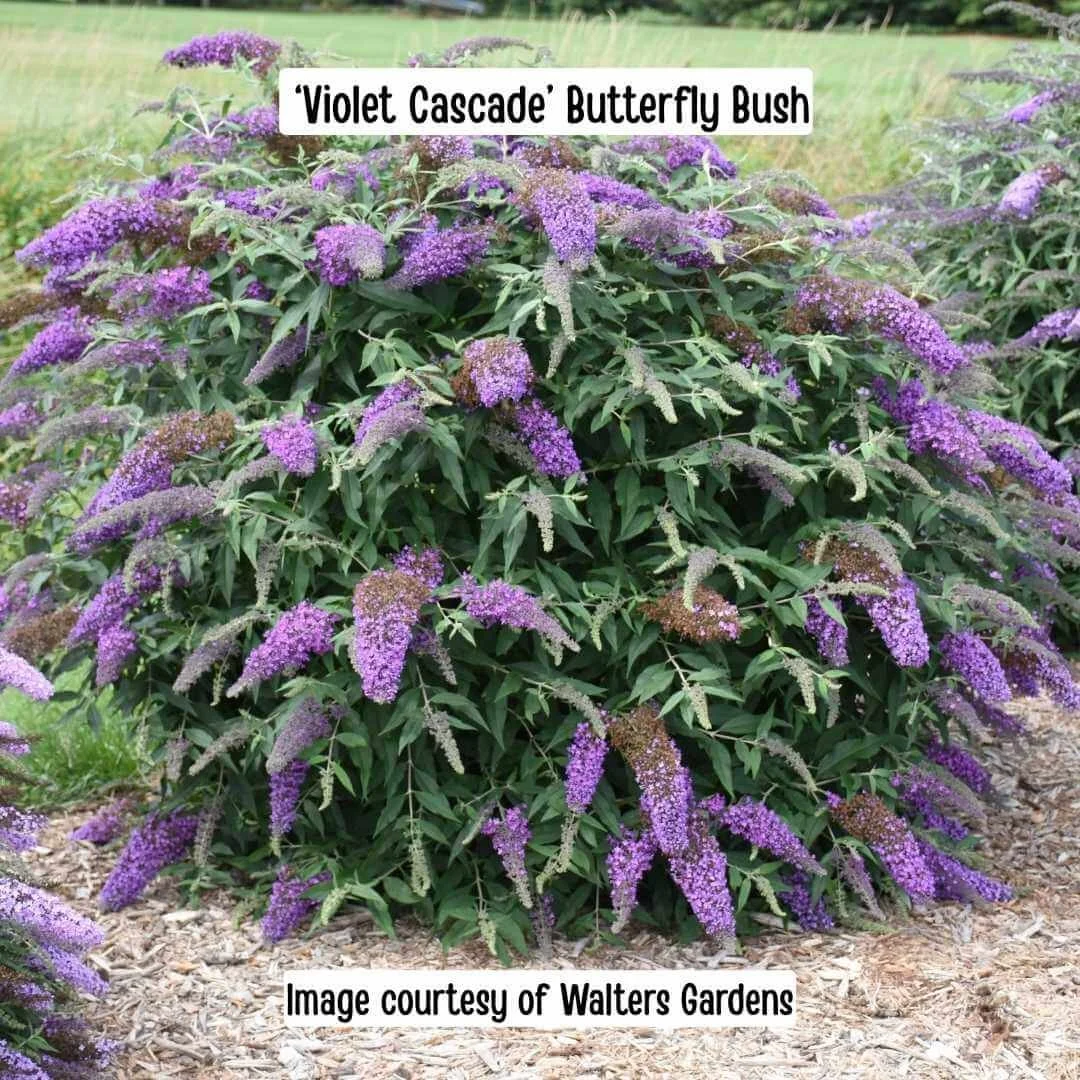
And keep scrolling for a gallery of photos showcasing popular cultivars of both butterfly bush and butterfly weed!
This article may contain affiliate links. If you make a purchase through one of these links, I may earn a commission at no additional cost to you.
Butterfly Bush vs Butterfly Weed: The Short Answer
Butterfly Bush (Buddleia or Buddleja)
Deciduous shrub (loses its leaves in winter)
Long arching flower spikes in purple, pink, or white
2-10 ft tall (varies by cultivar)
Zones 5-9
Native to China
Not a monarch host plant
Butterfly Weed (Asclepias tuberosa)
Herbaceous perennial (dies back to the ground in winter, regrows in spring)
Flat-topped flower clusters in bright orange
1-3 ft tall
Zones 3-9
Native to North America
Monarch host plant ✓
Butterfly Bush vs Butterfly Weed: Appearance
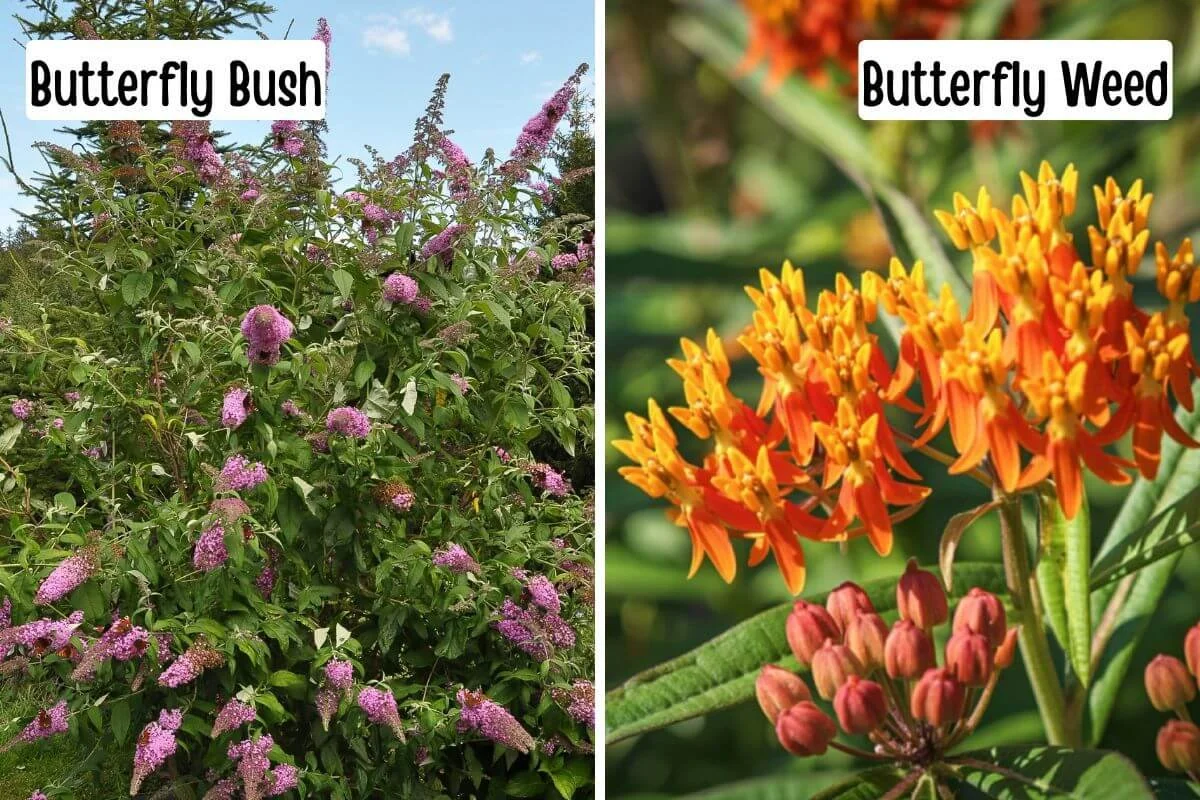
At first glance, these two plants look nothing alike. Both plants are magnets for butterflies, which is how they each earned the "butterfly" in their name, but that's where the resemblance stops.
Butterfly bush (Buddleia species) is a large, fast-growing deciduous shrub with long, arching branches and dramatic flower spikes that can reach 6 inches or more. The blooms come in shades of purple, pink, white, and magenta, and the plant has a loose, informal shape that can look a bit rangy without regular pruning. Leaves are long, lance-shaped, and often have a slightly silvery underside.
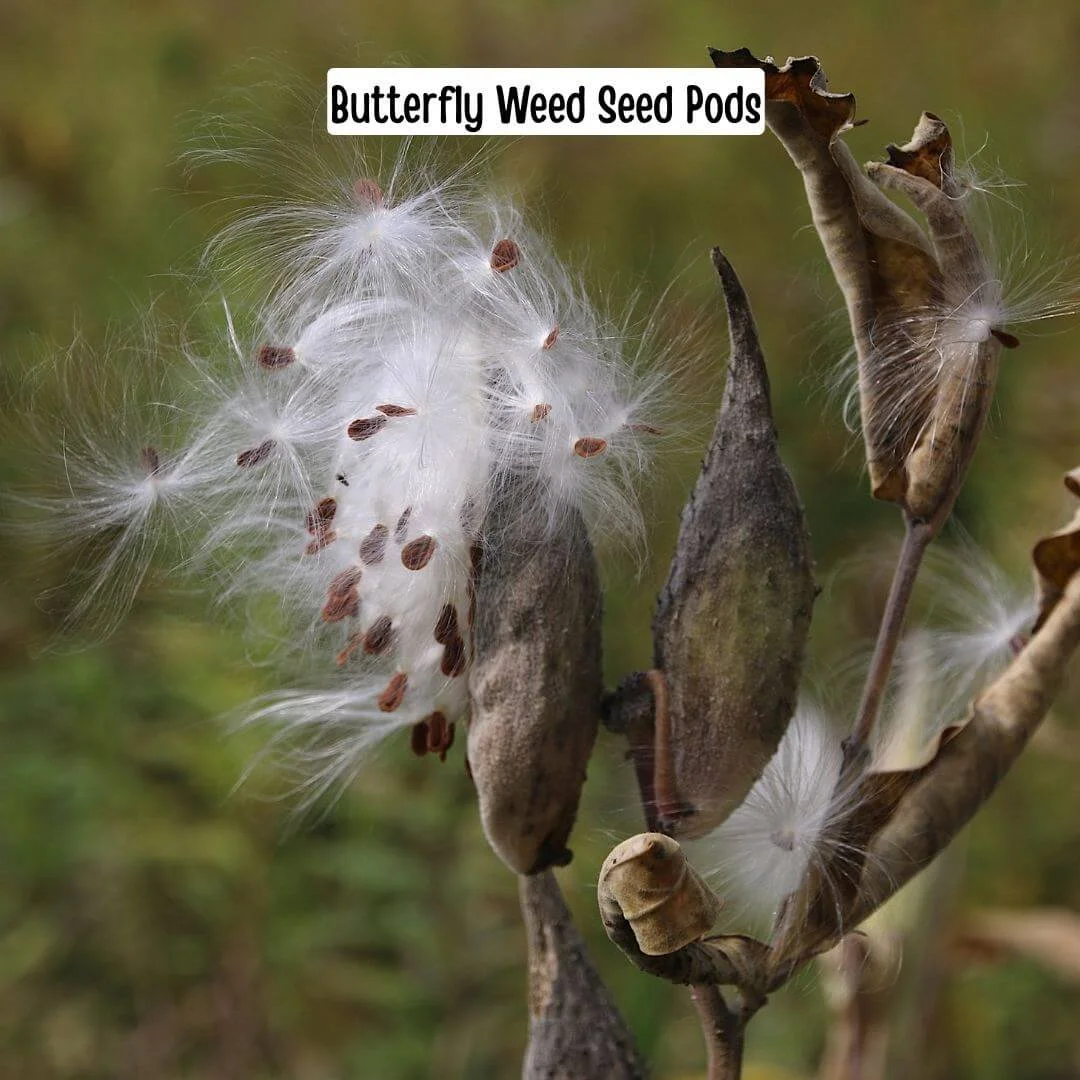
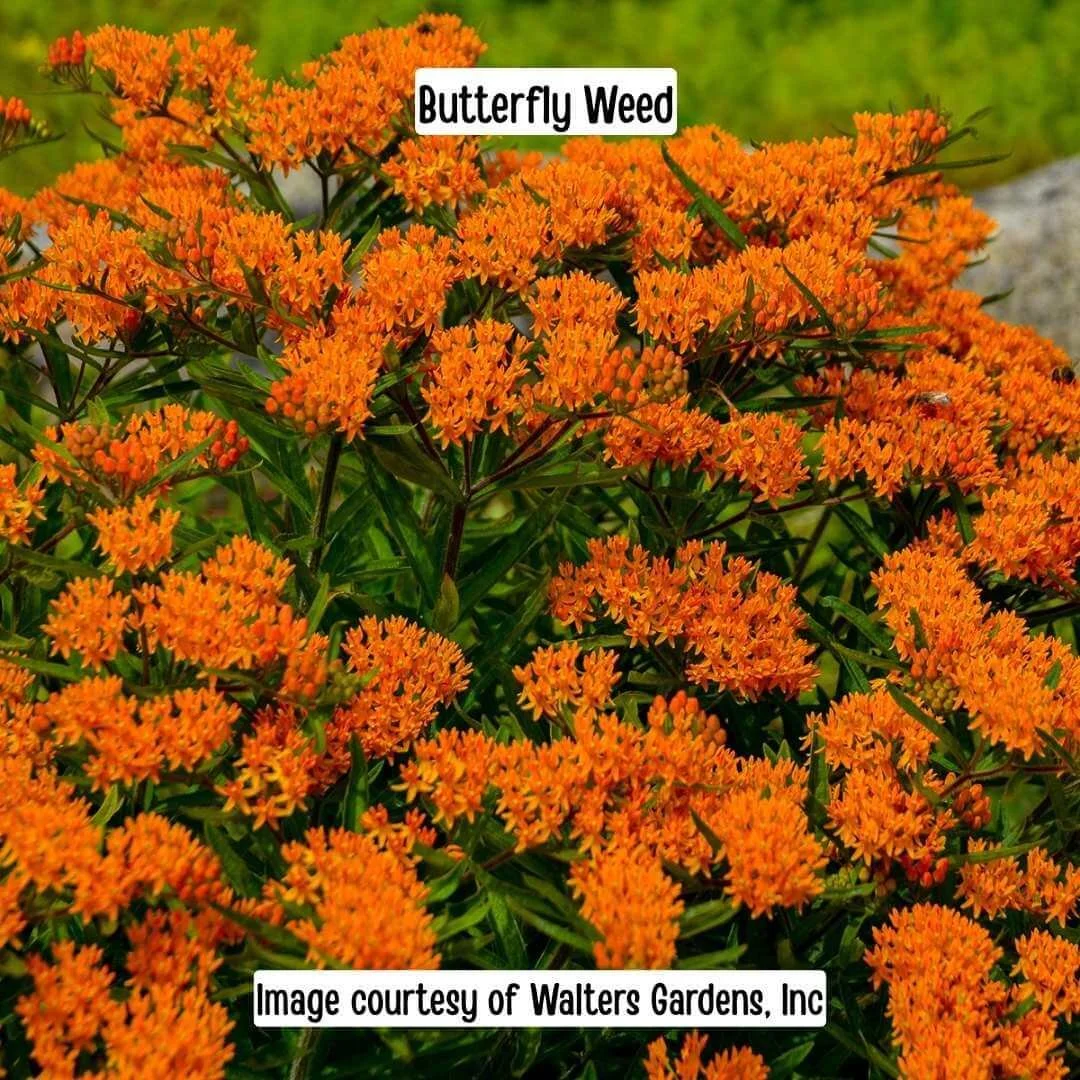
Butterfly weed (Asclepias tuberosa) is a compact, upright native perennial with flat-topped clusters of vivid orange flowers that practically glow in the summer garden. It's a member of the milkweed family, and up close, the individual flowers have a fascinating, complex structure. Leaves are narrow and lance-shaped, and the plant has a tidy, well-mannered growth habit that fits neatly into any border. In late summer and fall, slender, pointed seed pods appear and split open to release silky, wind-carried seeds, creating a beautiful and fascinating show in their own right.
If you're choosing between butterfly bush or butterfly weed based on looks alone, the contrast is striking: bold and shrubby vs. bright and compact.
Butterfly Bush vs Butterfly Weed: Flowers and Leaves
FLOWERS
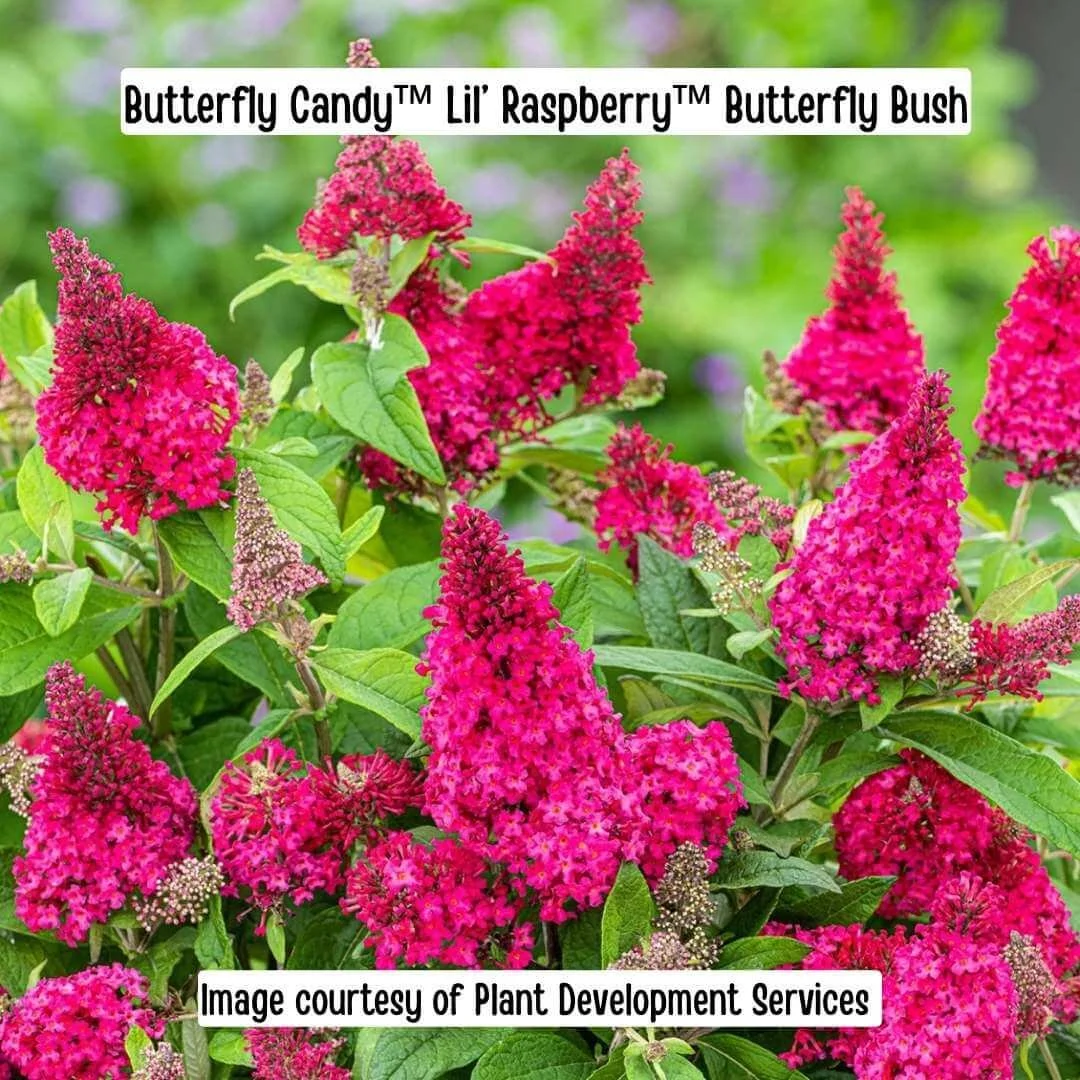
Butterfly bush produces long, conical flower spikes densely packed with tiny, fragrant tubular blooms. It flowers prolifically from summer through fall, and deadheading spent spikes encourages repeat blooming. Flower color varies widely by cultivar. Purple is most common, but pink, white, magenta, and bi-color varieties are widely available.
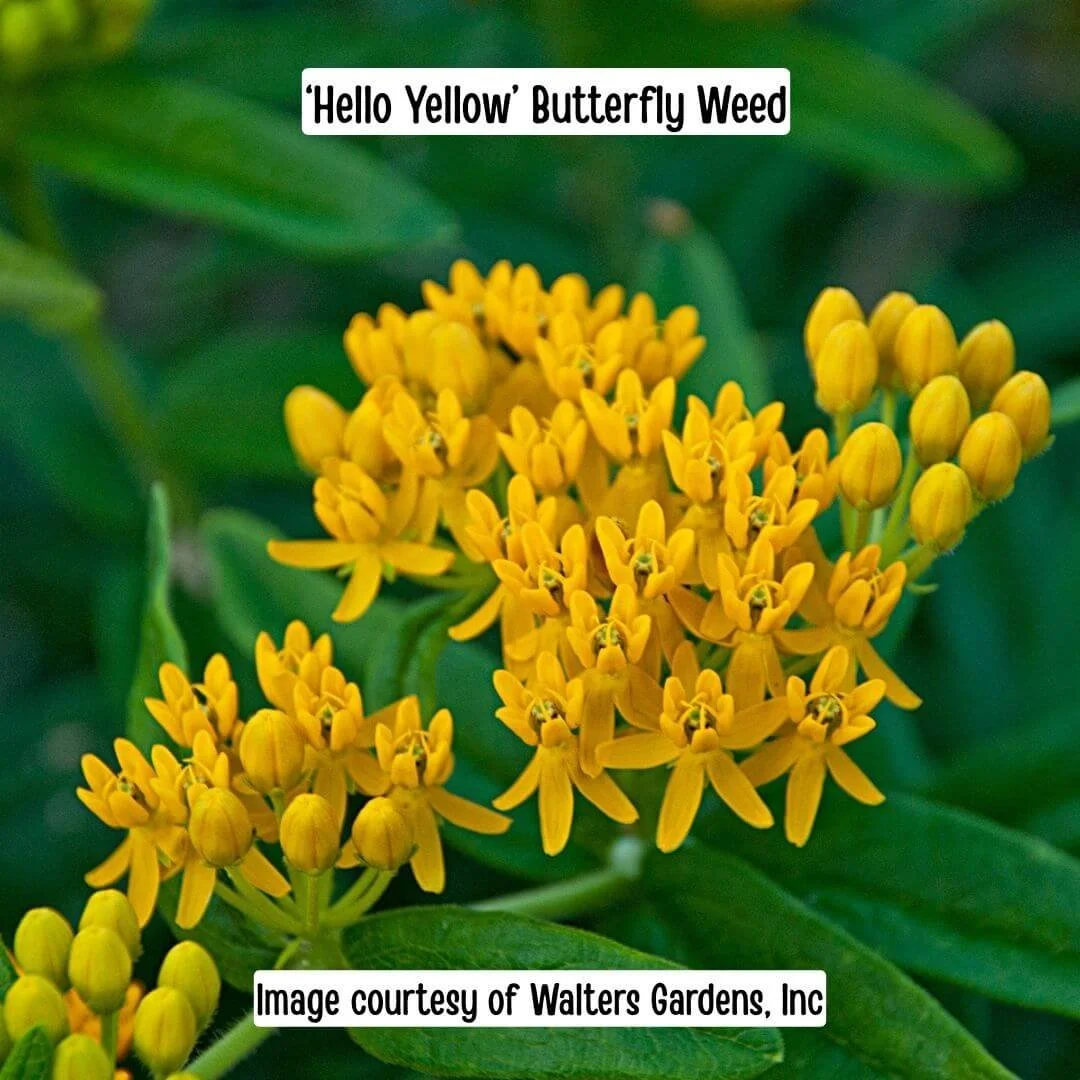
Butterfly weed produces flat-topped flower clusters called umbels, held atop upright stems. The flowers are a rich, vivid orange and bloom from late spring through midsummer. Some cultivars offer yellow or red tones, but orange is the signature. Butterfly weed is slower to emerge in spring, so mark its location and be patient.
LEAVES
Butterfly bush has long, lance-shaped leaves with a slightly grayish, woolly texture, particularly on the underside. The foliage isn't especially ornamental on its own, and without regular pruning the plant can look coarse and scraggly before the flowers open.
Butterfly weed has narrower, smooth, deep green leaves arranged alternately along stiff, upright stems. The foliage is attractive throughout the season and turns a warm gold in fall.
Butterfly Bush vs Butterfly Weed: Type
Butterfly bush is a deciduous shrub, meaning it maintains woody stems at the base through winter and leafs out again each spring. In colder zones, it may die back significantly in winter but regrows vigorously from the roots.
Butterfly weed is a herbaceous perennial, dying back completely to the ground each winter and re-emerging from its deep taproot each spring (often later than you'd expect). That taproot is also what makes butterfly weed very drought-tolerant once established, but tricky to transplant once it's settled in.
Butterfly Bush vs Butterfly Weed: Care
Native Range: Butterfly bush is native to central China and is considered invasive in many parts of the United States. It spreads aggressively into roadsides, disturbed soils, and natural areas, where it displaces native plants and disrupts local ecosystems. Butterfly weed is a true North American native, found naturally in dry meadows, prairies, and open woodlands across much of the continent.
USDA Hardiness Zones: Butterfly bush is hardy in Zones 5-9. Butterfly weed is cold-hardier, growing in Zones 3-9. Not sure of your zone? Check the USDA Plant Hardiness Zone Map.
Light: Both plants prefer full sun and will bloom most prolifically with at least 6 hours of direct sunlight daily. Butterfly weed is especially unforgiving of shade, which causes floppy growth and poor flowering.
Soil: Butterfly weed is especially well-adapted to dry, rocky, or poor soils. Rich, fertile soil can actually cause it to flop. Butterfly bush is more adaptable to a range of soil conditions, though good drainage is still essential.
Watering: Once established, both plants are drought-tolerant. Butterfly bush appreciates moderate watering but will tolerate dry spells. Butterfly weed is exceptionally drought-hardy once its taproot is established. Overwatering or soggy soil is far more likely to be the problem.
Pruning: Butterfly bush benefits from hard pruning in early spring, cutting stems back to about 12 inches to encourage vigorous new growth and better blooming. Butterfly weed requires no cutting back. It is one of the last perennials to emerge in spring, so mark its location and be patient. It hasn't disappeared, it's simply taking its time.
Butterfly Bush vs Butterfly Weed: Wildlife Value
This is where the two plants diverge most significantly, and where the conversation gets important.
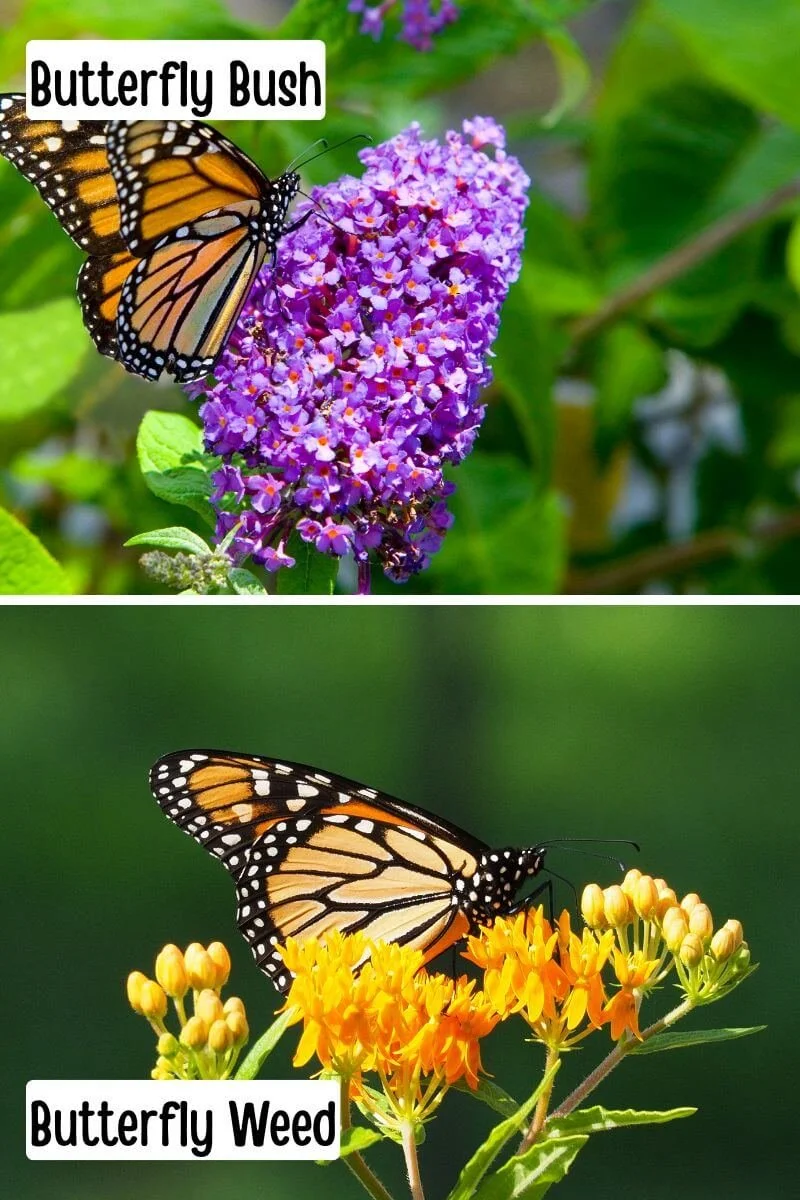
Butterfly bush is a nectar powerhouse. It attracts large numbers of adult butterflies, bees, and hummingbirds, and watching a butterfly bush in full bloom is genuinely spectacular. However, butterfly bush does not serve as a host plantfor butterfly larvae. Butterflies need host plants to lay their eggs and feed their caterpillars, and butterfly bush provides nectar for adult butterflies but plays no role in supporting the next generation.
Looking for the best nectar plants to pair with your butterfly bush? See our Top 10 Butterfly Nectar Plants for Your Garden.
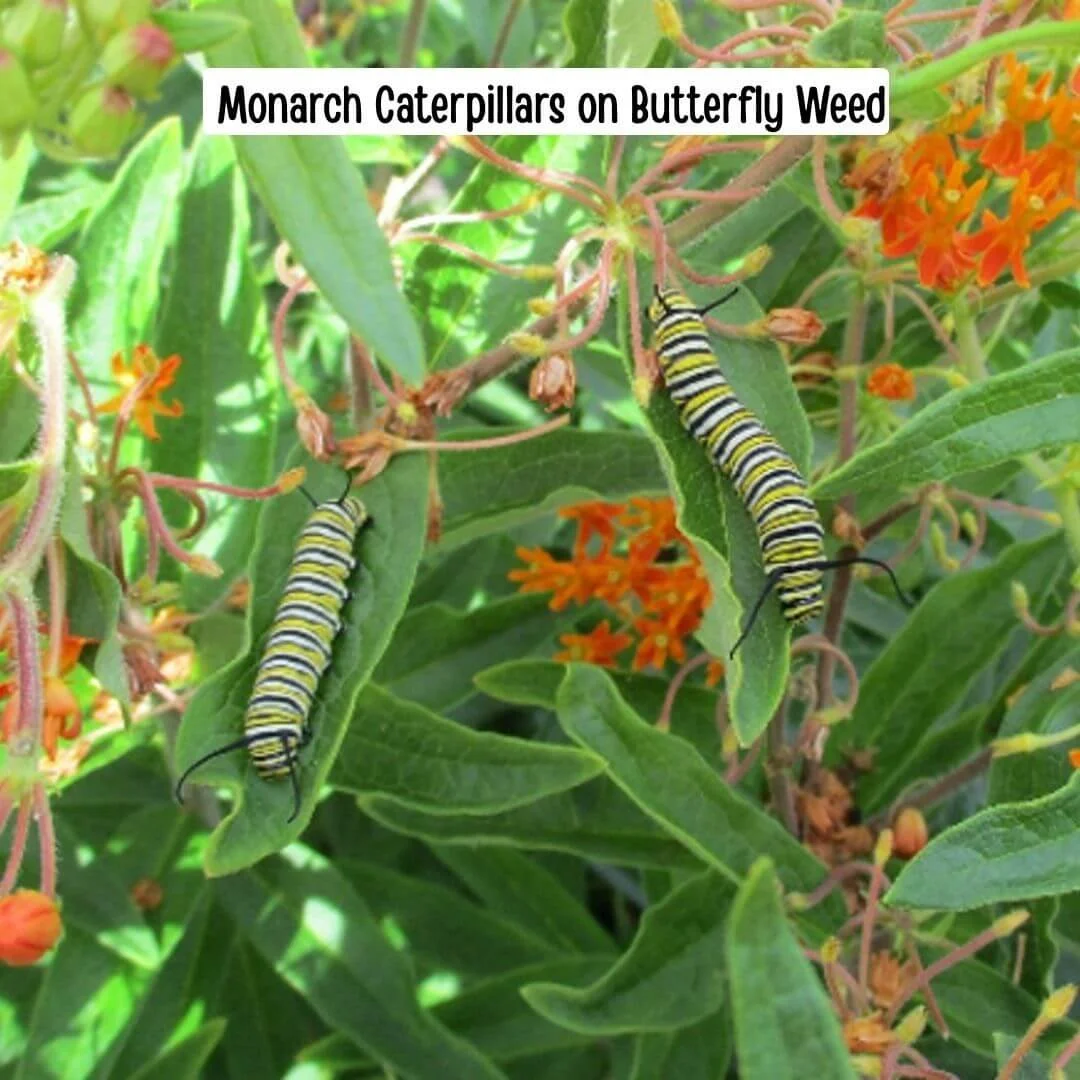
Butterfly weed is a true ecological workhorse. As a native milkweed, it serves as a host plant for monarch butterflies. Monarchs lay their eggs only on milkweed, and the caterpillars feed on the leaves once they hatch. At the height of summer, a thriving butterfly weed plant can be absolutely covered in monarch caterpillars, milkweed bugs, native bees, and other beneficial insects. It's one of the most rewarding experiences in the garden.
Want to add more host plants to support the full butterfly life cycle? See our 10 Best Butterfly Host Plants for Your Garden.
If monarchs don't appear the first season, don't be discouraged. It can take a year or two for them to discover a new planting, so give it time. For a deeper dive into growing and caring for butterfly weed, read our complete guide. It also attracts a wide variety of native bees, and the seed pods that follow flowering provide food for birds as well as nesting material. Planting butterfly weed supports the full butterfly life cycle, not just the adult stage. To learn more about pollinators and why protecting them matters, the Xerces Society is an excellent resource.
On deer resistance, both plants hold their own: the milky sap of butterfly weed is unpalatable to deer, and butterfly bush's aromatic foliage tends to be avoided as well.
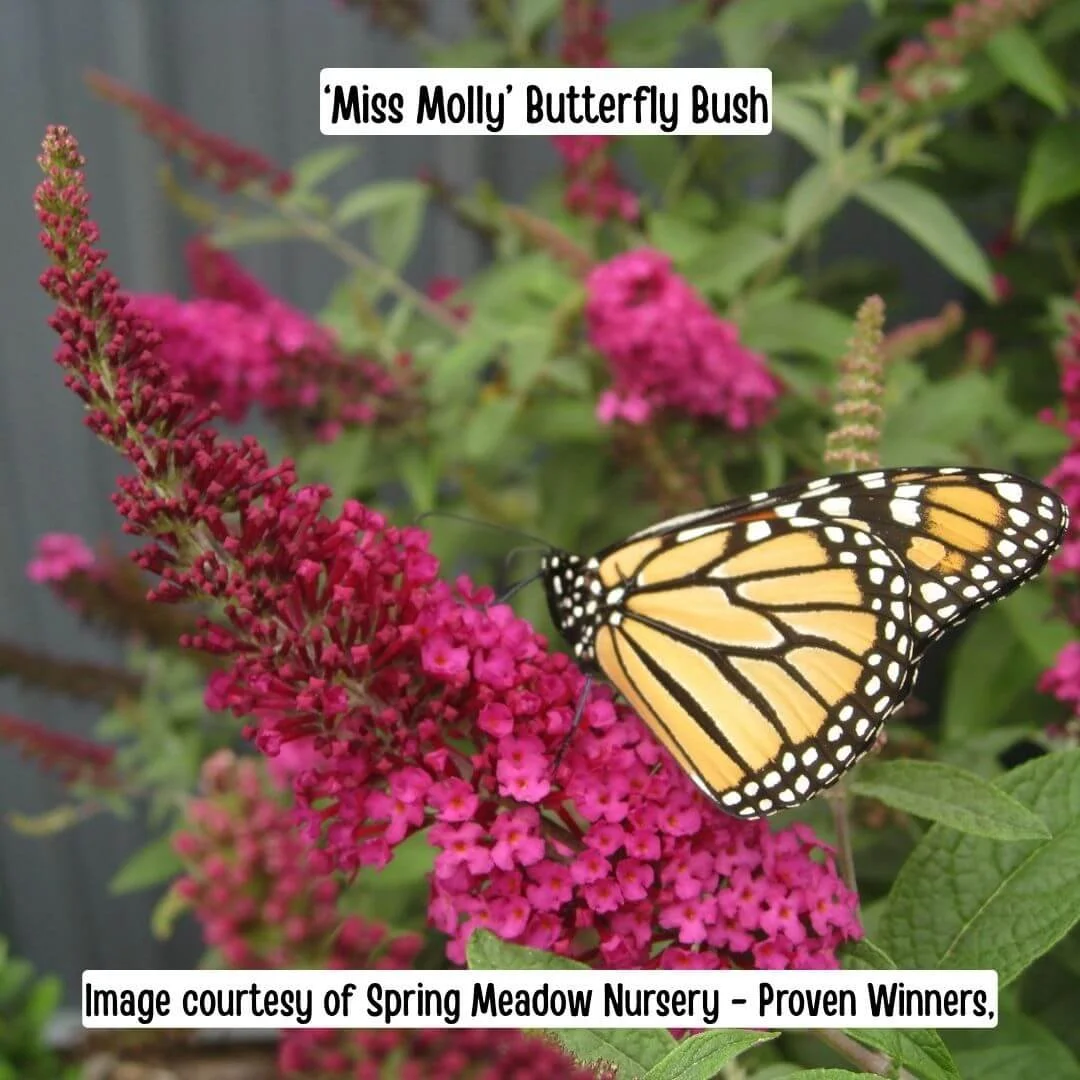
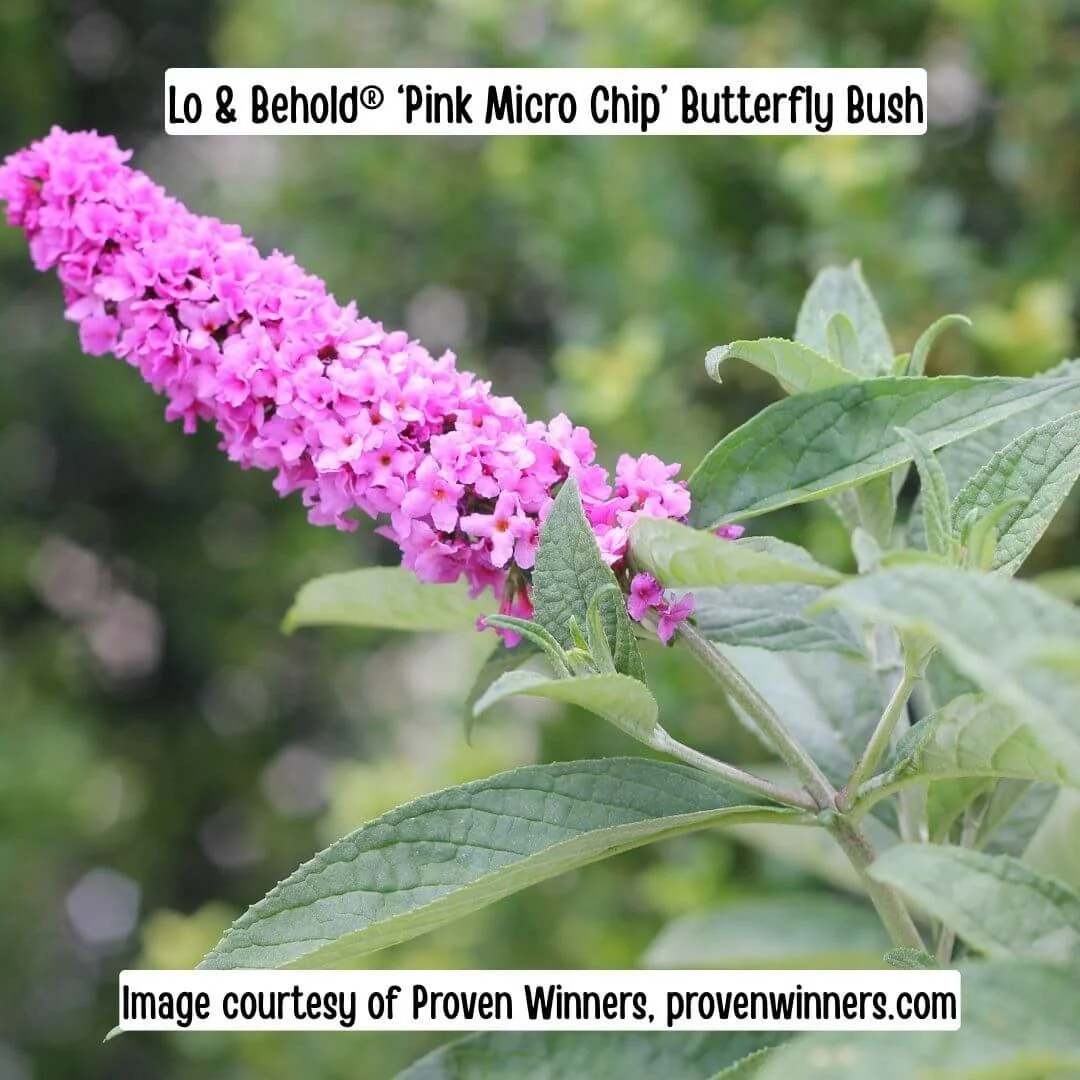
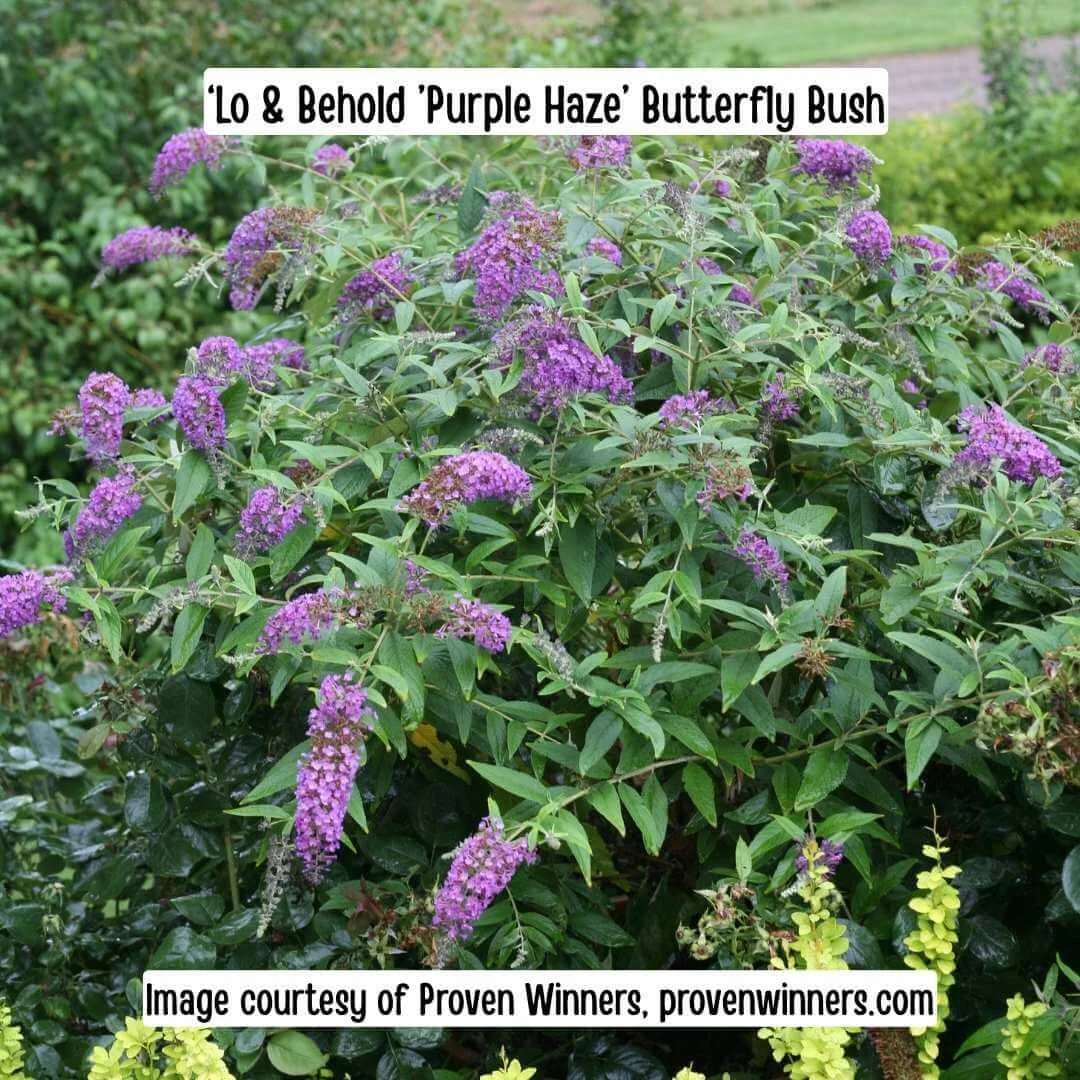
A note on butterfly bush and invasiveness: In many regions, butterfly bush spreads aggressively and is considered invasive, crowding out native plants. It is classified as a noxious weed in some states. If you love the look of butterfly bush, look for sterile cultivars (such as ‘Miss Molly’ or Lo & Behold® ‘Blue Chip Jr.’) that produce little to no viable seed. Sterile varieties are widely available and offer the same gorgeous flowers with far less ecological risk.
Looking for beautiful non-invasive alternatives to butterfly bush? See our 10 Non-Invasive Butterfly Bush Alternatives.
Butterfly Bush vs Butterfly Weed: Size
Butterfly Bush Sizes
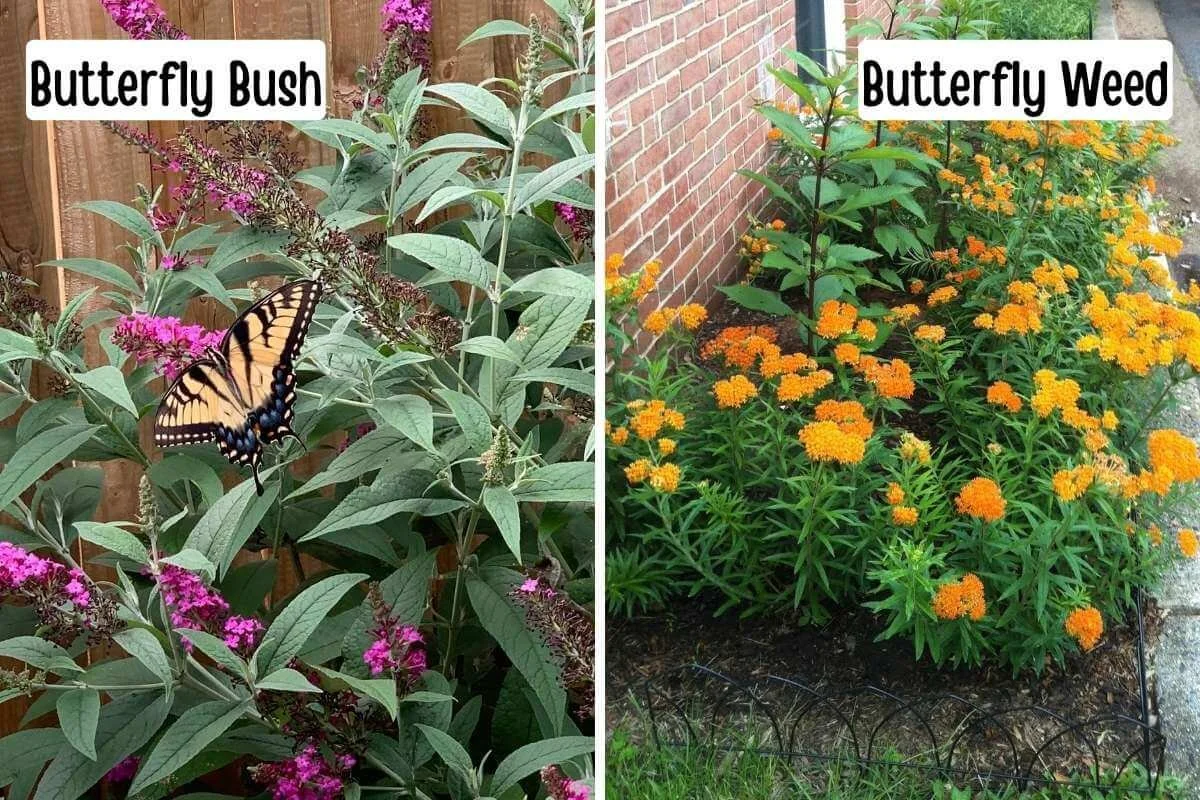
Butterfly bush varies widely in size depending on the cultivar, and this surprises many gardeners who buy it in a one-gallon pot. Many varieties can reach 6-10 feet tall, while compact cultivars like the 'Lo & Behold' series stay 2-4 feet tall and wide. Always check the mature size on the tag before you plant.
Butterfly Weed Sizes
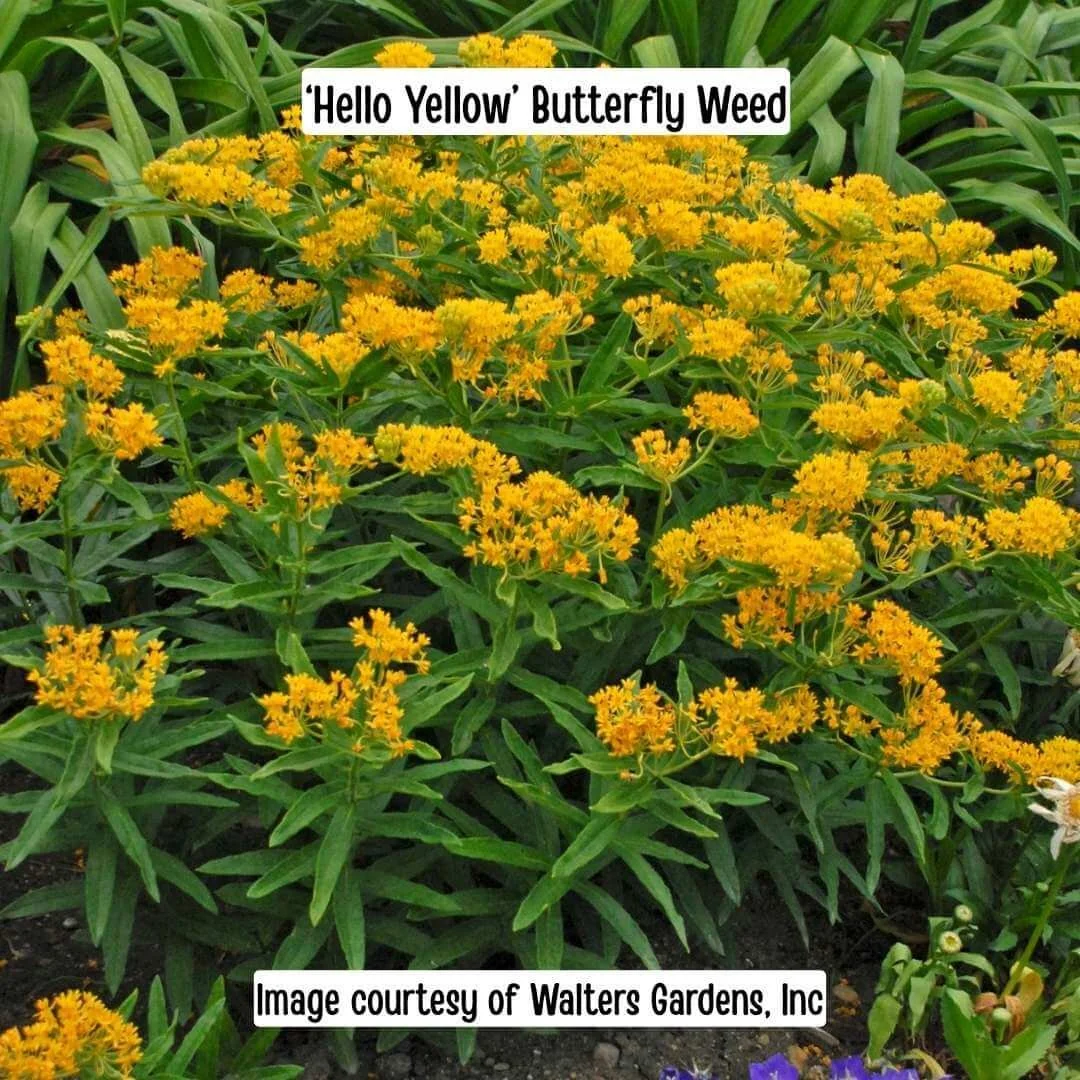
Butterfly weed is a much smaller plant, typically growing 1-3 feet tall and 1-2 feet wide. Its compact, upright habit makes it an easy fit in perennial borders, meadow gardens, and small garden beds. There aren't as many cultivars to choose from as with butterfly bush, but selections like 'Hello Yellow' (soft yellow flowers) and 'Gay Butterflies' (a mix of orange, red, and yellow) add some variety.
Butterfly Bush vs Butterfly Weed: Landscaping Uses
Similar Landscaping Uses:
Pollinator gardens: both attract butterflies and bees, though butterfly weed provides far deeper ecological benefit
Cottage and informal borders: the relaxed, summer-blooming habit of both suits loose, naturalistic planting styles
Sunny, dry sites: both thrive in full sun with good drainage and tolerate summer drought once established
Perennial pairings: both pair beautifully with coneflowers, agastache, black-eyed Susans, salvia, lavender, and ornamental grasses
Butterfly Bush-specific Uses:
Screening or backdrop: the large shrubby form of butterfly bush adds height and structure to the back of a border
Focal point: in full bloom, few plants are as showstopping; and smaller sterile cultivars bring that same impact to gardens where space is limited
Late-season color: butterfly bush blooms from midsummer well into fall, providing color when many perennials have faded
Container planting: dwarf varieties like 'Miss Ruby' or the 'Lo & Behold' series can be grown in large containers
Butterfly Weed-specific Uses:
Monarch butterfly gardens: butterfly weed is an essential host plant for monarchs and should be a cornerstone of any butterfly garden
Native plant or meadow gardens: a natural fit in wildflower meadows, rain gardens, and native plant landscapes
Front or mid-border: its compact, upright habit and vivid orange blooms make it a standout in sunny mixed borders
Cut or dried arrangements: butterfly weed produces long-lasting cut flowers, and both the blooms and the decorative seed pods are lovely in fresh or dried arrangements
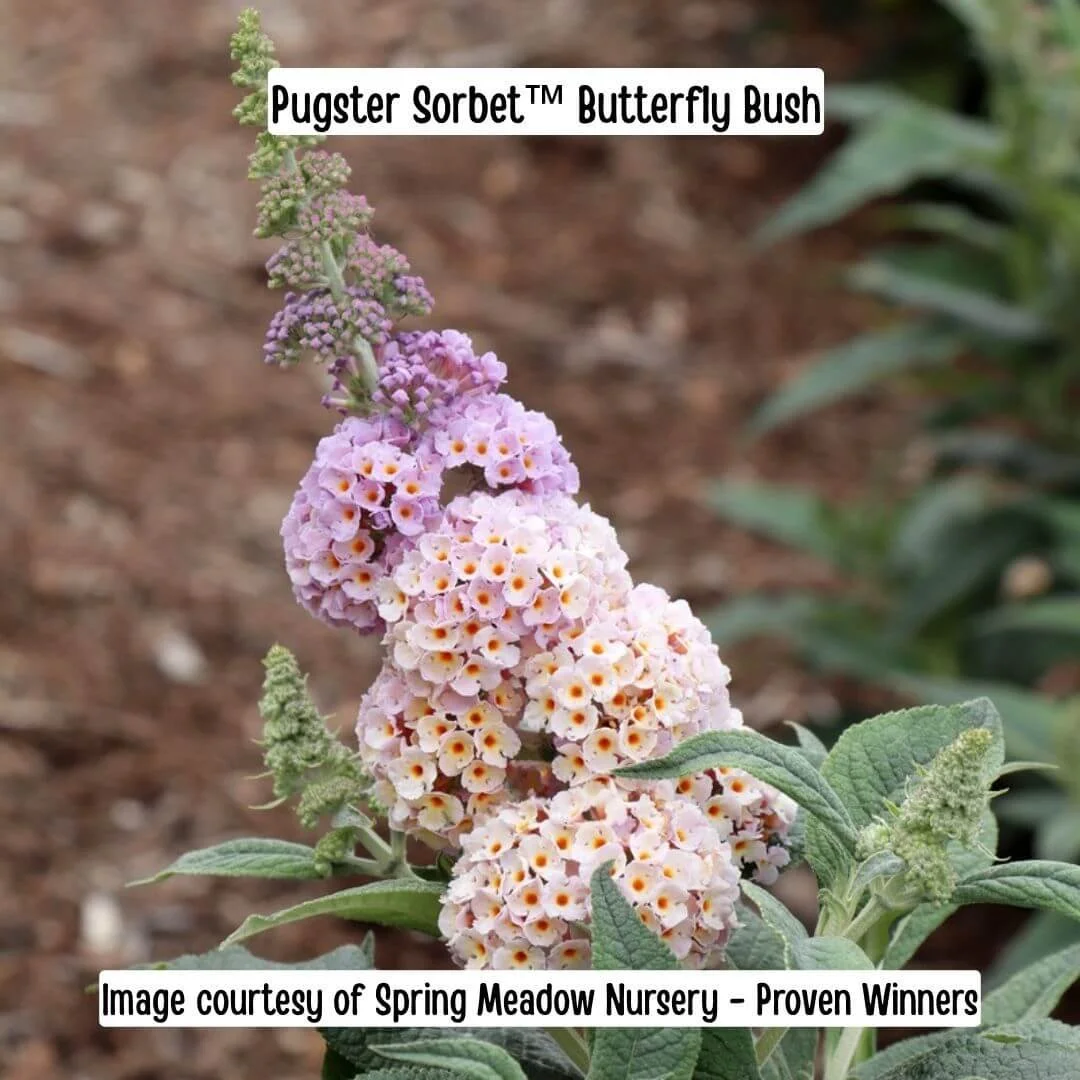
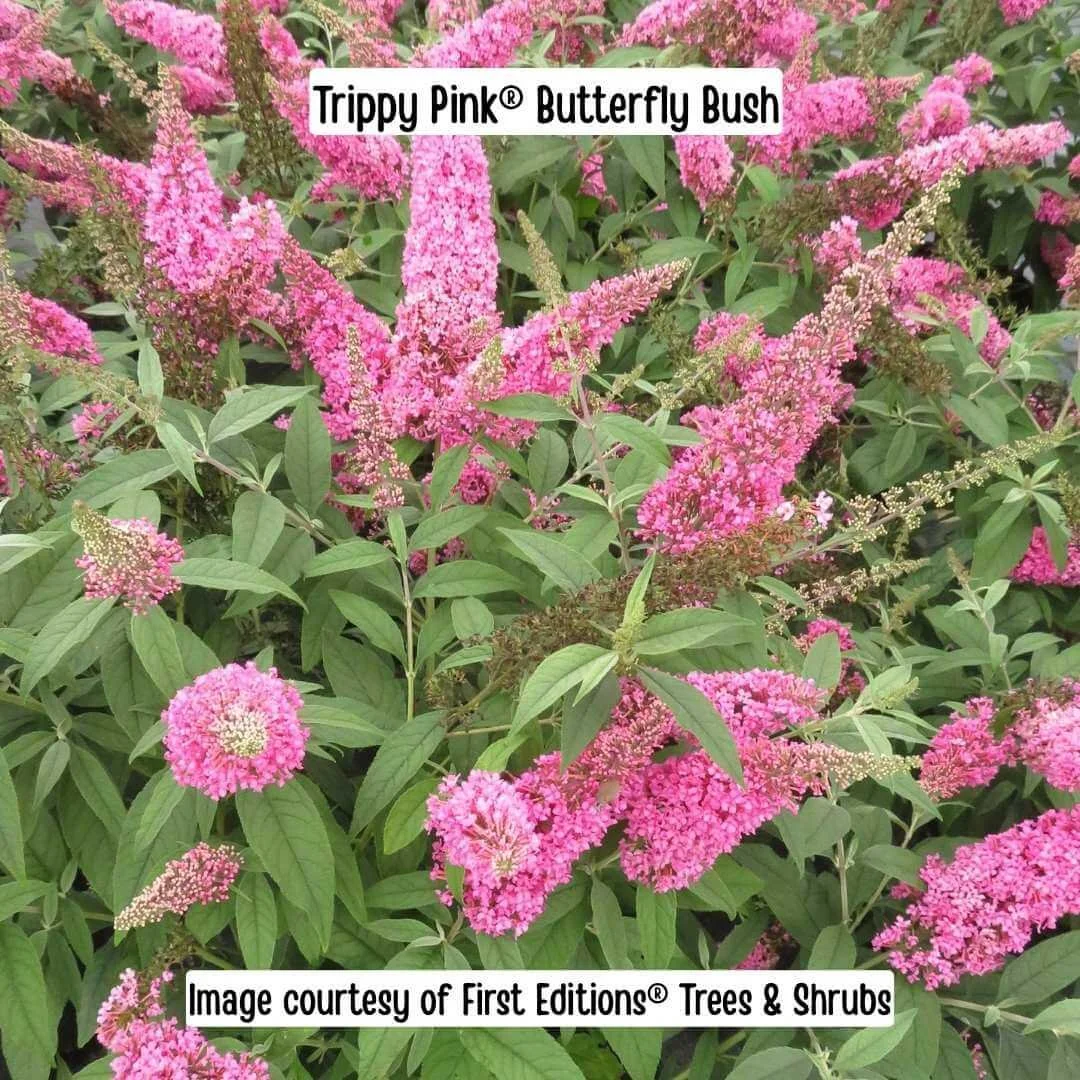
Browse popular butterfly bush and butterfly weed varieties below to find the right fit for your garden.
Butterfly Bush Varieties
Use the arrows to scroll through.
Butterfly Weed Varieties
Use the arrows to scroll through.


Ready to dig deeper into butterfly gardening? Browse my favorite butterfly gardening books on Bookshop.org and support independent bookstores while you're at it.
FAQ: Butterfly Bush vs Butterfly Weed
Is butterfly bush the same as butterfly weed? No. Despite the similar names, butterfly bush (Buddleja davidii) and butterfly weed (Asclepias tuberosa) are completely unrelated plants. Butterfly bush is a large deciduous shrub native to China; butterfly weed is a compact native perennial and member of the milkweed family. They look very different and serve different ecological roles in the garden.
Which is better for monarch butterflies? Butterfly weed (Asclepias tuberosa) is significantly better for monarchs. It is a native milkweed and serves as a host plant: milkweed is the only type of plant on which monarchs lay their eggs and caterpillars feed. Butterfly bush attracts adult butterflies with nectar but does not support the caterpillar stage of the butterfly life cycle.
Is butterfly bush invasive? Yes, butterfly bush is considered invasive in many parts of the United States and noxious in some states. If you want to grow butterfly bush, look for sterile cultivars such as the 'Lo & Behold' series, which produce little to no viable seed and are far less likely to spread.
Is butterfly weed hard to grow? Butterfly weed is easy to grow once established, but it has a few quirks. It prefers lean, well-drained soil and full sun, and it's slow to emerge in spring so don't assume it's dead if it hasn't appeared by May. Its deep taproot makes it difficult to transplant, so choose its location carefully. Once settled in, it's exceptionally drought-tolerant and long-lived.
Can I plant butterfly bush and butterfly weed together? Yes! They make a striking summer combination, with butterfly weed's vivid orange blooms complementing butterfly bush's purple spikes. Just be sure to choose a sterile butterfly bush cultivar if you're in an area where butterfly bush spreads.