
10 Non-Invasive Butterfly Bush Alternatives
What to Plant Instead of Butterfly Bush
Get ideas for non-invasive butterfly bush substitutes, and browse a list of butterfly bush varieties with no seeds.
Published: December 19, 2024 | Updated: May 15, 2026
Ah, the butterfly bush - a plant so divisive it could run for office. On one side, you’ve got its die-hard fans. They rave about its ability to attract hordes of butterflies, its explosion of colorful blooms, its deer-resistance, and the fact that it practically grows itself.
Then, there’s the other camp, wagging their fingers at its invasive nature. It’s true: butterfly bush does not play nice in the wild, spreading seeds far and wide to colonize natural areas where it’s not wanted. It was introduced from Asia in the early 1900s, and has escaped cultivation, spreading to our natural areas and crowding out native plants.
I’m not here to referee this garden drama! I’m just here to help, and to give you some practical tips about what to grow instead of butterfly bush. If you are looking for butterfly bush alternatives, you’ve come to the right place.
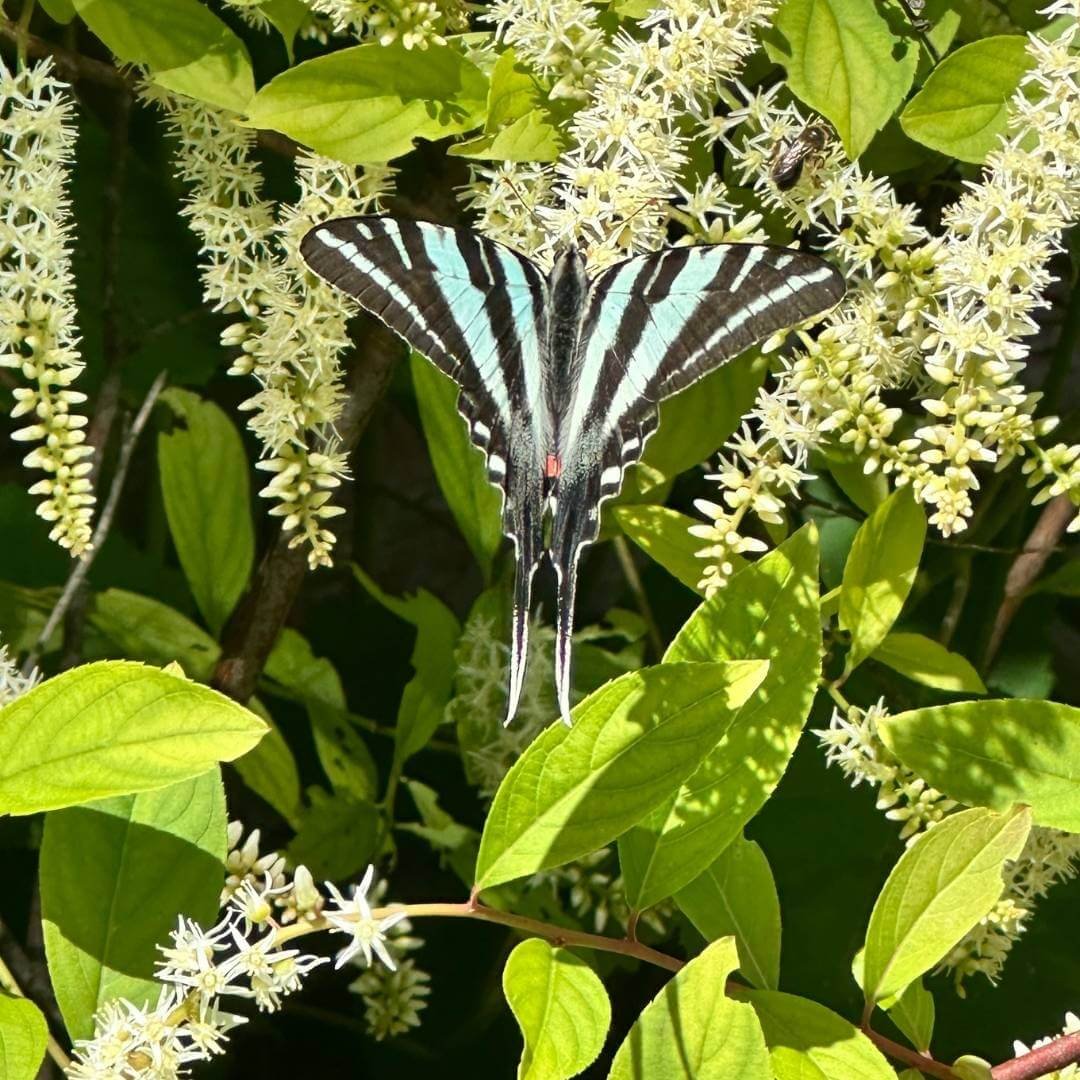
A zebra swallowtail butterfly visits the white flowers of Virginia sweetspire (see #7 on this list). Image © Plant and Bloom Design Studio
This list offers a mix of native and non-native plants, but none of them are invasive. Each one is a butterfly magnet with lots of nectar to attract these winged beauties .
And if your heart is set on a butterfly bush, don’t worry: there are plenty of butterfly bush varieties with no seeds now available. These seedless butterfly bush cultivars offer all the beauty without the baggage. Read on to discover a list of seedless butterfly bush varieties waiting for you at the end of this article.
So, whether you're looking for what to plant instead of butterfly bush or just exploring your options, let’s dig in to these non-invasive butterfly bush substitutes!
One more thing before we dig in: all photos in this article are real and were either taken by me in the field or sourced from reputable growers and nurseries.
This article may contain affiliate links. If you make a purchase through one of these links, I may earn a commission at no additional cost to you.
Butterfly Bush Alternatives
Beyond Midnight® Bluebeard
Caryopteris x clandonensis 'CT-9-12'
Type: Shrub
Zones: 5 - 9
Light requirements: Full sun (6+ hours of direct sunlight per day)
Size: 2 - 2.5 feet tall and wide
Bloom time: Late summer to early fall

Beyond Midnight® Bluebeard (Caryopteris x clandonensis 'CT-9-12'). Image courtesy of Proven Winners, provenwinners.com
Beyond Midnight® bluebeard is a fantastic replacement for butterfly bush, offering all of the pollinator appeal without the invasive tendencies.
This compact shrub dazzles with dark green leaves and deep blue flowers that bloom late in the season, providing a vital nectar source for butterflies and bees.
Its tidy and compact growth habit makes it perfect for smaller spaces, while its drought tolerance and deer resistance add to its low-maintenance resume. This vibrant pollinator favorite is a winning alternative to butterfly bush!
Butterfly bush vs bluebeard: Bluebeard is fussier about soil quality and does not like wet, poorly draining soils or clay soil. Be sure to site in well-draining soil to prevent root rot, and take care not to overwater.
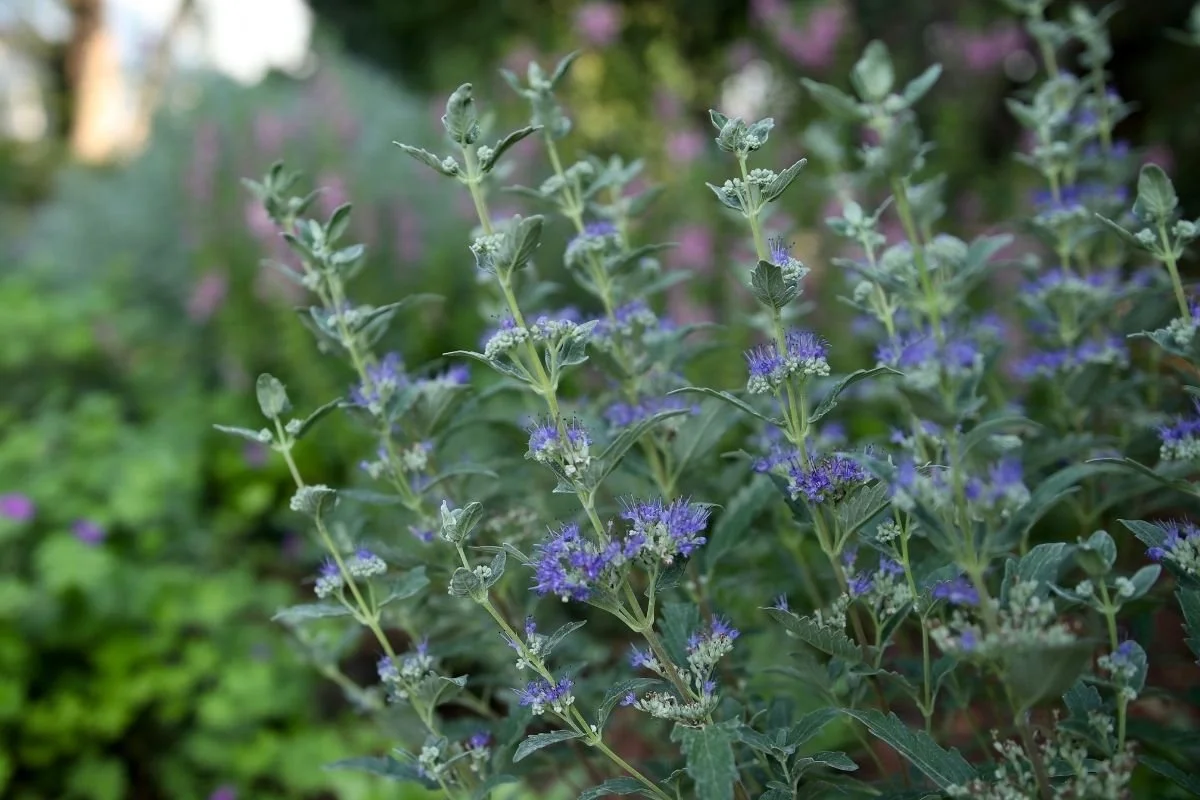
Beyond Midnight® bluebeard is drought-tolerant and deer resistant. Image courtesy of Proven Winners, provenwinners.com
2. Kobold Gayfeather (Blazing Star)
Liatris spicata ‘Kobold’
Type: Perennial (returns every year)
Zones: 3 - 9
Light requirements: Full sun (6+ hours of direct sunlight per day)
Size: 18 - 24 inches high and wide
Bloom time: Summer

Kobold Gayfeather Blazing Star (Liatris spicata ‘Kobold’). Image courtesy of Ball Horticultural Company via Proven Winners, provenwinners.com
Kobold gayfeather (blazing star) is an outstanding replacement for butterfly bush, offering eye-catching vertical spikes of vibrant purple flowers that butterflies can’t resist.
This Eastern U.S. native perennial thrives in a variety of soils, is drought-tolerant once established, and requires minimal care, making it a great choice for native gardeners.
Kobold is a compact cultivar that does not require staking and its manageable size fits perfectly into garden beds or borders of any scale. It supports butterflies without spreading invasively, making it a standout alternative to butterfly bush.
Butterfly bush vs gayfeather (blazing star): Gayfeather has a shorter season of bloom than the butterfly bush. Pair it with other butterfly-friendly perennials that bloom at different times to create a garden that offers continuous blooms, such as purple coneflower (Echinacea purpurea), Blue Fortune giant hyssop (Agastache ‘Blue Fortune’), and Autumn Joy stonecrop (Sedum ‘Autumn Joy’).

Kobold Gayfeather requires minimal care. Image courtesy of Walters Gardens, Inc.
3. Mountain Mint
Pycnanthemum species
Type: Perennial (returns every year)
Zones: 3 - 9 (varies by type)
Light requirements: Full sun - part shade (3+ hours of direct sunlight per day)
Size: 2-3 feet high and 2-3 feet wide (varies by type)
Bloom time: Summer
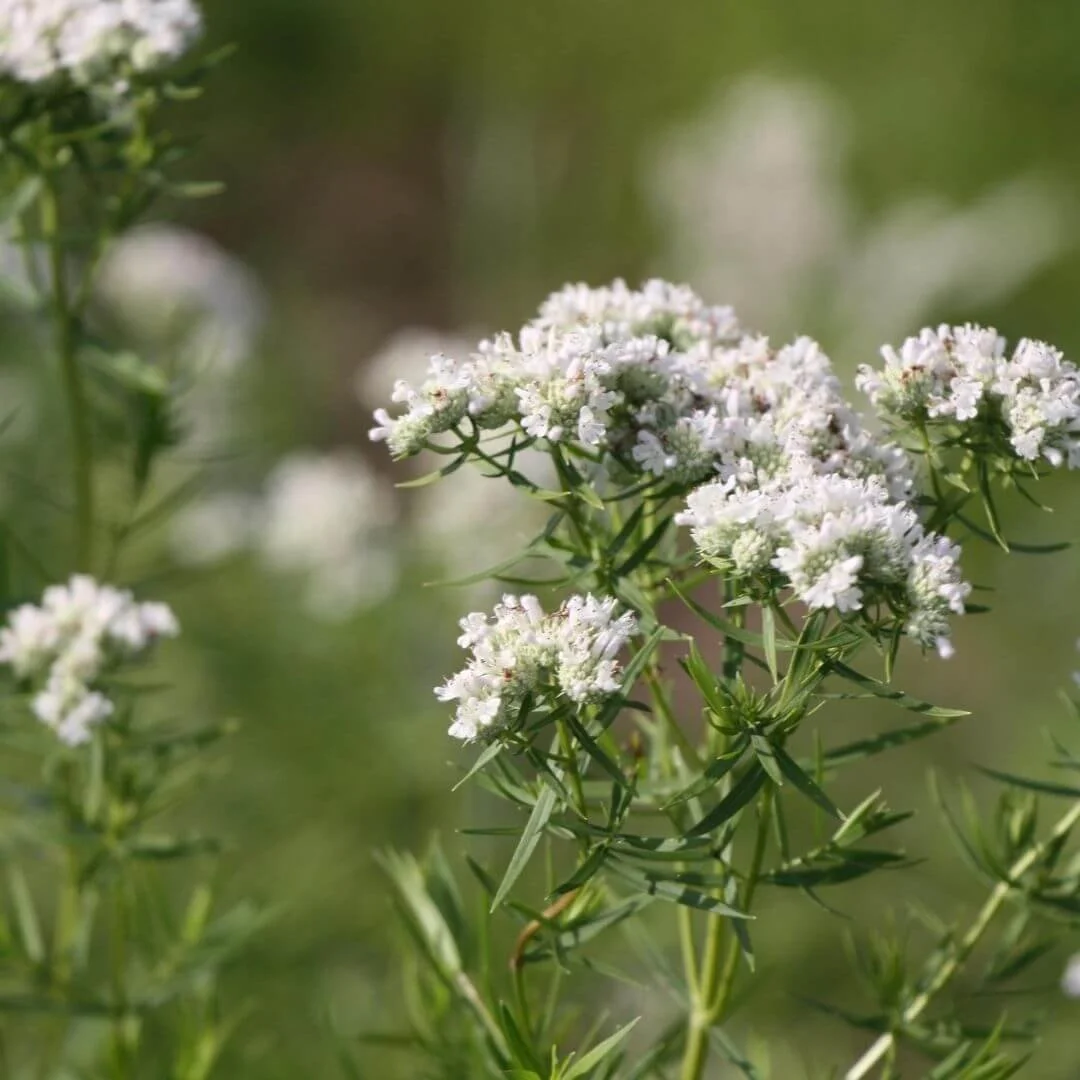
Narrowleaf Mountain Mint (Pycnanthemum tenuifolium). Image courtesy of Ball Horticultural Company.
Mountain mint works well as a native replacement for butterfly bush, combining beauty with ecological benefits. This bushy plant with aromatic leaves boasts clusters of delicate white blooms with silvery bracts that attract butterflies, bees, and other beneficial pollinators.
The mountain mint varieties you're most likely to encounter are blunt mountain mint (Pycnanthemum muticum), American mountain mint (Pycnanthemum virginianum), and narrow-leaf mountain mint (Pycnanthemum tenuifolium). Always check the plant tags before buying, because they vary slightly in mature size and hardiness range.
Pollinators flock to mountain mint in droves, and I mean droves - it’s like a buzzing block party! Mountain mint thrives in a range of conditions, from moist to dry soils, and its fragrant foliage naturally deters deer.
Plus, it’s more resistant to powdery mildew than its cousin, bee balm (Monarda), even though both belong to the same plant family, Lamiaceae.
Butterfly bush vs mountain mint: Mountain mint isn’t invasive like butterfly bush, but it is aggressive and spreads easily by rhizomes to form a dense colony. It’s ideal for naturalizing in open areas and can be managed by keeping soil on the drier side.

American Mountain Mint (Pycnanthemum virginianum). Image courtesy of Ball Horticultural Company
4. Prairie Princess Ironweed
Vernonia ‘Prairie Princess’
Type: Perennial (returns every year)
Zones: 4 - 9
Light requirements: Full sun (6+ hours of direct sunlight per day)
Size: 2-3 feet high and 2.5-3 feet wide
Bloom time: Late summer - early fall

Prairie Princess Ironweed (Vernonia ‘Prairie Princess’). Image courtesy of Walters Gardens, Inc.
Prairie Princess Ironweed is a fantastic replacement for butterfly bush, with butterflies flocking to its vibrant rosy purple flowers from late summer through fall.
The Prairie Princess variety is more compact and fuller than the straight species, with sturdy stems that resist flopping after a heavy rain.
Ironweed thrives in clay soil and can tolerate juglone, the chemical released by black walnut trees. It’s resistant to both rabbits and deer and it’s very easy to grow, but requires full sun and good airflow to prevent powdery mildew and leggy stems. This butterfly favorite does best in moist, well-draining soil.
Butterfly bush vs ironweed: Unlike butterfly bush, which only serves as a nectar plant, ironweed is both a nectar plant and a host plant. It supports the entire life cycle of butterflies by providing a place to lay eggs, leaves for caterpillars to feed on, and nectar for adult butterflies.

Purple flower clusters of Prairie Princess Ironweed. Image courtesy of Walters Gardens, Inc.
5. Weigela Prism™ Sunset
Weigela x hybrida ‘WG19-108’
Type: Shrub
Zones: 4 - 8
Light requirements: Full sun (6+ hours of direct sunlight per day)
Size: 18-30 inches tall and wide
Bloom time: Late spring to summer with rebloom in late summer

Weigela Prism™ Sunset (Weigela x hybrida ‘WG19-108’). Image courtesy of PlantHaven International
WeigelaPrism™ Sunset has vibrant, deep cherry-colored blooms that attract butterflies, hummingbirds, and other pollinators without the invasive tendencies of the butterfly bush.
Weigela is a well-behaved, easy to grow shrub, staying exactly where you plant it and requiring minimal maintenance and care. It does need full sun to look its best, and prefers moderately fertile, moist, well-drainingsoil.
Prism™ Sunset is a dwarf variety, with a compact size that fits beautifully into containers and small garden spaces. It has bright foliage and a long period of bloom, ensuring plenty of nectar is available to hungry butterflies.
Butterfly bush vs. weigela: Unlike butterfly bush, weigela stays put, requires minimal pruning to maintain its shape, and poses no threat to native ecosystems.

Weigela Prism™ Sunset is perfect for containers. Image courtesy of PlantHaven International
6. Ruby Spice Summersweet
Clethra alnifolia ‘Ruby Spice’
Type: Shrub
Zones: 4 - 8
Light requirements: Full sun to partial shade
Size: 4-6 feet high and 3-5 feet wide
Bloom time: Summer

Ruby Spice Summersweet (Clethra alnifolia ‘Ruby Spice’). Image © Plant and Bloom Design Studio
Ruby Spice summersweet (Clethra alnifolia) is a standout alternative to butterfly bush, offering exceptional pollinator appeal without the invasive drawbacks.
Its fragrant, bright pink blooms are rich in nectar, drawing hoards of butterflies, bees and pollinators and filling the air with a sweet scent.
One of this plant’s most remarkable traits is its ability to flower in shaded areas, providing a bright splash of pink and supporting pollinators in gardens with limited sunlight.
Ruby Spice also excels in wet soil, making it an excellent choice for rain gardens or low, damp spots in the landscape. With its adaptability and low-maintenance requirements, Ruby Spice summersweet is an extremely versatile butterfly bush alternative.
Butterfly bush vs summersweet: Summersweet flowers beautifully in shade and thrives in wet soils, including spots with standing water. This makes it an excellent choice for shade gardens, rain gardens and boggy landscapes, where butterfly bush tends to struggle.
Want to learn more about this versatile pollinator favorite? Read our guide to Ruby Spice Summersweet.

The fragrant, bright pink blooms of Ruby Spice summersweet are a favorite of butterflies. Image © Plant and Bloom Design Studio
7. Little Henry® Sweetspire
Itea virginica 'Sprich'
Type: Shrub
Zones: 5 - 8
Light requirements: Full sun to full shade
Size: 2-3 feet high and wide
Bloom time: Summer
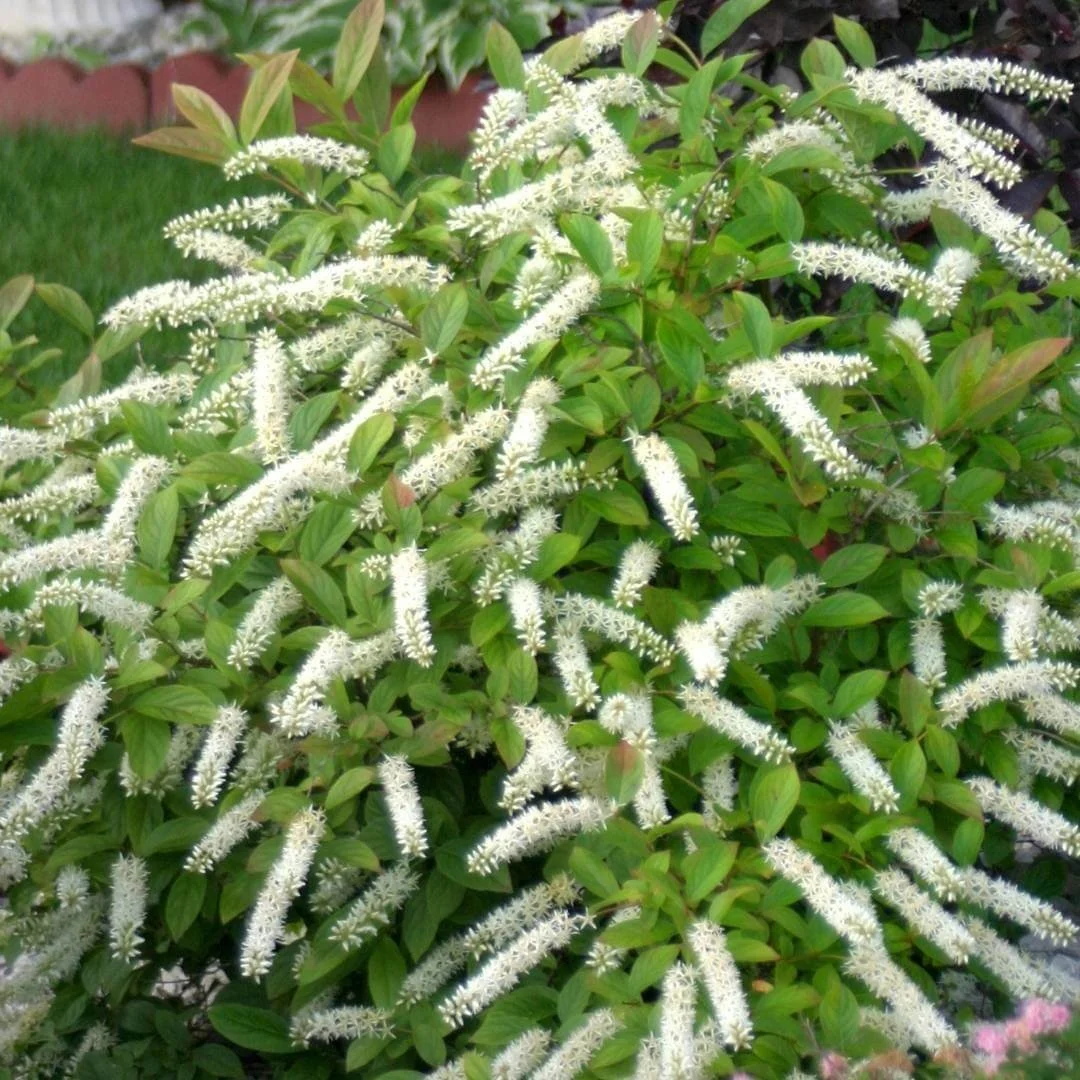
Little Henry® Virginia Sweetspire. Image courtesy of Bailey Nurseries.
Little Henry® Sweetspire is a fantastic alternative to butterfly bush. It has charming, sweet scented early summer flowers that resemble bursts of fireworks and provide crucial early summer nectar to pollinators.
This low-maintenance native cultivar has a petite, compact habit. Unlike the more sprawling straight species, Little Henry® keeps a tidy shape that works well in foundation plantings. It’s also non-invasive and thrives in full shade, making it a versatile choice for shade gardens.
Little Henry® grows well in moist soil, making it the perfect addition to rain gardens or damp and shady side yards. With its adaptability, pollinator appeal, and native origin, this sweetspire shrub is a beautiful and sustainable choice for butterfly-friendly yards.
Butterfly bush vs sweetspire: Sweetspire lights up the autumn landscape with bright, dramatic, fiery red foliage, making it a standout even after its flowers fade. Butterfly bush has unremarkable fall color - its leaves turn a pale, watery yellow color in autumn.
8. Temple of Bloom® Seven-Son Flower
Heptacodium miconioides 'SMNHMRF'
Type: Small tree
Zones: 5 - 9
Light requirements: Full sun to partial shade
Size: 15-20 feet high and 6-10 feet wide
Bloom time: Summer through fall

Seven-Son Flower (Heptacodium miconioides) is a favorite nectar plant of monarch butterflies. Image courtesy of Spring Meadow Nursery - Proven Winners
The Temple of Bloom® Seven-Son Flower is a stunning and underused alternative to butterfly bush, offering everything you need for a pollinator-friendly garden without the invasive risks.
This incredible plant is a butterfly magnet, especially beloved by monarchs and bees and providing an essential nectar source during critical migration periods.
Introduced in 2019, Temple of Bloom® shines with four seasons of interest: fragrant late-summer flowers that draw pollinators in droves, vibrant red sepals in autumn, textured bark for winter appeal, and lush green foliage in spring. Compact and low-maintenance, it’s ideal for small yards, creating a vibrant, well-behaved addition to your landscape.
Butterfly bush vs seven-son flower: Butterfly bush is known for its summer blooms that attract pollinators, but it falls flat in other seasons while Seven-son flower offers year-round appeal.

In autumn, Seven-Son Flower is covered with red sepals resembling flowers. Image courtesy of Spring Meadow Nursery - Proven Winners
Dig into your next great gardening read while supporting independent bookstores. Browse my favorite picks on Bookshop.org:
9. Glossy Abelia
Abelia x grandiflora
Type: Shrub
Zones: 6 - 9
Light requirements: Full sun to partial shade - flowers best in full sun
Size: 3 - 6 feet high and wide with smaller varieties available
Bloom time: Late spring through fall
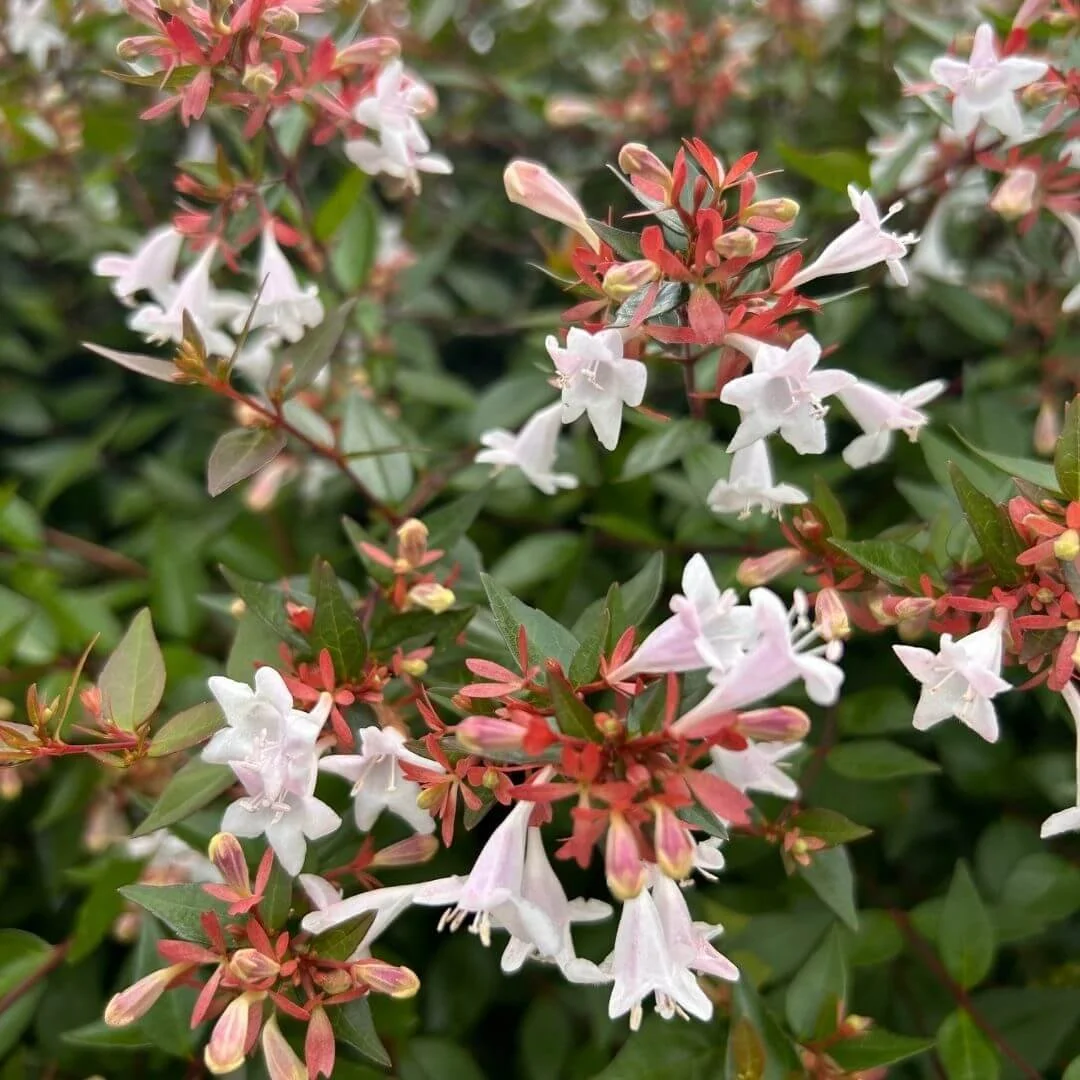
The tubular pink flowers of glossy abelia are a favorite of butterflies. Image © Plant and Bloom Design Studio
Glossy abelia (Abelia x grandiflora) is an excellent alternative to butterfly bush, offering fragrant, nectar-rich blooms that attract butterflies from late spring through fall.
This semi-evergreen shrub has a long season of bloom and is easy to grow, making it a versatile choice for foundation plantings, screening, or mixed borders.
While the original hybrid species grows quite large, cultivars like ‘Radiance’, ‘Rose Creek,’ and ‘Kaleidoscope’ offer smaller, more manageable options with different foliage colors.
Butterfly Bush vs Abelia: Butterfly bush has a sprawling, somewhat coarse appearance while glossy abelia has a dense, compact shape that brings elegant structure to the garden and is easy to prune.
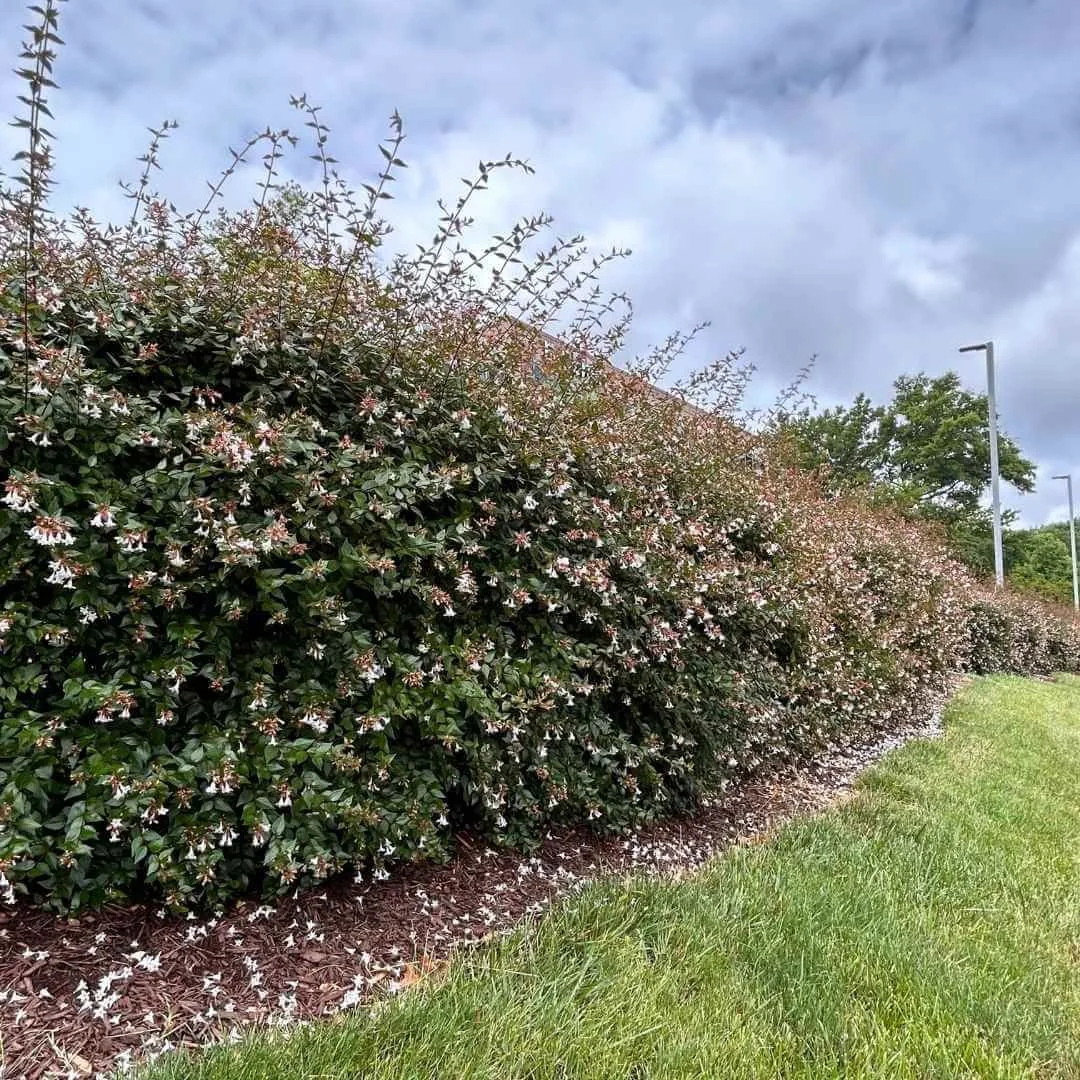
This large hedge of glossy abelia brings evergreen structure and butterflies to the yard. Image © Plant and Bloom Design Studio
10. Garden Phlox
Phlox paniculata
Type: Perennial (returns every year)
Zones: 4 - 8
Light requirements: Full sun to partial shade
Size: 2 - 4 feet tall and wide
Bloom time: Summer
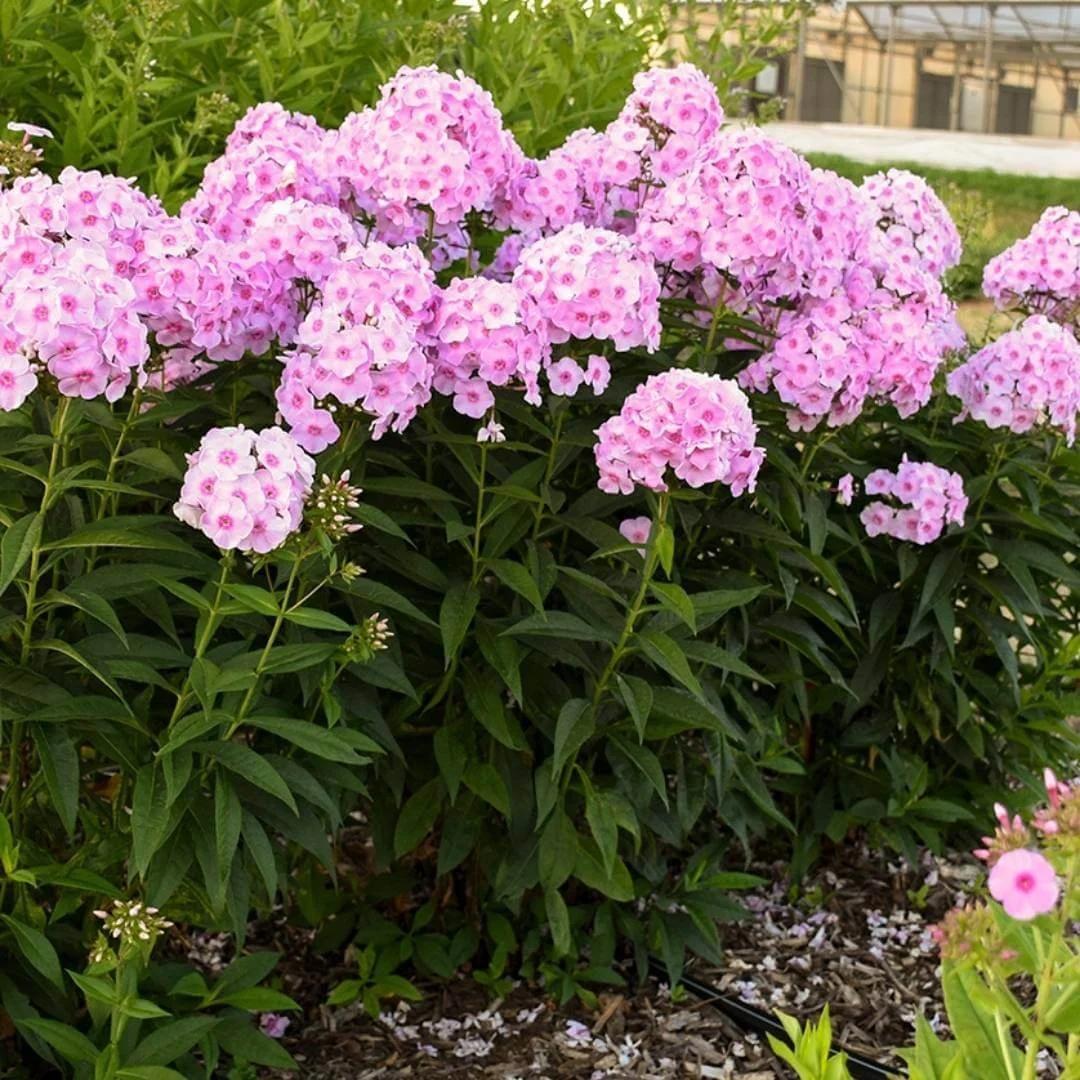
Phlox Luminary® ‘Opalascence’. Image courtesy of Walters Gardens, Inc.
Garden phlox, also known as tall or summer phlox, is an excellent alternative to butterfly bush, thanks to its nectar-rich blooms that draw swarms of these winged beauties on sunny days.
This cottage garden favorite is available in a vibrant range of colors, including pink, magenta, red, lavender, purple, and white. Some cultivars even feature bicolor blooms.
While its showy flowers are the highlight, proper care is essential. Spacing for good air circulation will prevent powdery mildew, and staking supports tall stems and keeps them from flopping over.
Butterfly bush vs. phlox: Butterfly bush blooms from summer into fall, while garden phlox has a shorter period of bloom. Plant garden phlox alongside other butterfly favorites like salvia, stonecrop and black-eyed Susans for flowers all season long.
Non-Invasive Butterfly Bush Cultivars
Here is a list of butterfly bush with no seeds.These varieties have been intentionally bred to be non-invasive:
Lo & Behold® ‘Blue Chip Jr.’ Buddleia x
Lo & Behold® ‘Pink Microchip’ Buddleia x
Lo & Behold® ‘Purple Haze’ Buddleia x
‘Miss Molly’ Buddleia x
‘Miss Ruby’ Buddleia x
‘Miss Violet’ Buddleia x
Buddleia ‘Asian Moon’
To learn more about non-invasive butterfly bush options, visit our article on the 7 Best Non-Invasive Butterfly Bush Varieties for a deeper look at top cultivars, growth habits, and what makes them a safer choice for your garden.
Keep Exploring: More Butterfly Garden Inspiration
If this article got your butterfly gardening wheels turning, here are a few more resources from the Plant and Bloom archives to keep you going:
Top 10 Butterfly Nectar Plants for Your Garden. The best nectar plants to pair with your new butterfly bush for a garden that butterflies absolutely cannot resist.
10 Best Butterfly Host Plants for Your Garden. Nectar is one thing, but host plants are where the real butterfly magic happens. A must read for any butterfly gardener.
The Bright, Bold and Vibrant Butterfly Weed. A native plant that deserves a starring role in every pollinator garden.
Butterfly Garden for Kids: Free Design Plan and Complete Plant List. A fun and family friendly way to bring butterfly gardening to the next generation.
Butterfly Bush vs. Butterfly Weed: A Complete Comparison for Gardeners. Discover how these two popular plants compare in looks, care, wildlife value, and garden performance.
Frequently Asked Questions
Q: What is a good substitute for butterfly bush? A: There are many beautiful, non-invasive plants that attract just as many butterflies as butterfly bush, and sometimes even more! Great options include native plants like gayfeather (Liatris), mountain mint, and Virginia sweetspire, as well as well-behaved non-natives like bluebeard and glossy abelia. The best substitute for your garden depends on your sun exposure, soil conditions, and hardiness zone. Read on for 10 detailed recommendations with all the info you need to choose.
Q: Is butterfly bush invasive? A: Butterfly bush (Buddleia davidii) is considered invasive in many parts of the United States. It was introduced from Asia in the early 1900s and spreads freely by seed, escaping into natural areas and crowding out native plants. That said, not all butterfly bushes are created equal -- there are now seedless cultivars available that offer the same beauty without the ecological risks.
Q: Are there butterfly bush varieties that are not invasive? A: Yes! Plant breeders have developed a number of sterile, seedless butterfly bush cultivars that cannot spread into the wild. Several popular series are now available, and some are compact enough for containers. You'll find a curated list of non-invasive butterfly bush varieties at the end of this article.
Q: What native plant is similar to butterfly bush? A: Several native plants rival butterfly bush for butterfly appeal. Liatris (blazing star), mountain mint, ironweed, and Virginia sweetspire are all excellent native alternatives that support pollinators without the invasive risks. Some, like ironweed, go even further by serving as both a nectar plant and a host plant for butterfly larvae. Keep reading for the full list with plant details and buying tips.
Q: What can I plant instead of butterfly bush in shade? A: Most butterfly bush alternatives perform best in full sun, but two standouts on this list thrive in shade: Ruby Spice summersweet (Clethra alnifolia) and Little Henry® Virginia sweetspire (Itea virginica). Both attract pollinators, bloom beautifully in lower light, and handle moist soil well, making them excellent choices for shady gardens.
Q: Do butterfly bush alternatives attract monarchs? A: Several plants on this list are particularly attractive to monarch butterflies. Temple of Bloom® Seven-Son Flower is especially beloved by monarchs, providing a critical nectar source during migration. Read on for the full details on each plant.