
Japanese Spirea: You Might Not Have to Skip It!
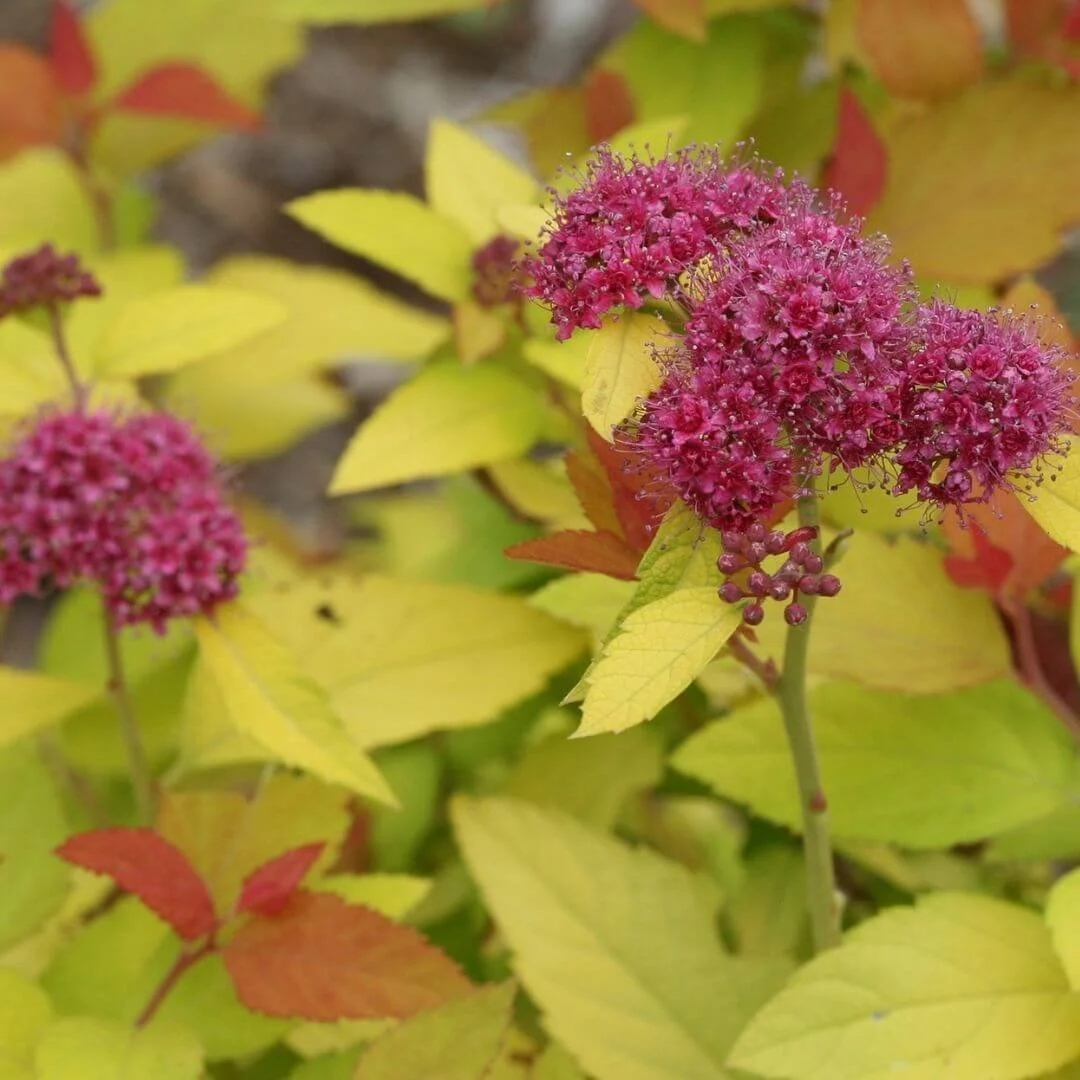
Double Play® Candy Corn® spirea, a non-invasive spirea variety. Image courtesy of Proven Winners, provenwinners.com
Love the look of Japanese spirea but worried about its reputation? You’re not alone. Before you pass it by at the garden center, keep reading! There are beautiful non-invasive spirea varieties that give you all the charm without the spread.
In this guide, I’ll walk you through Japanese spirea’s invasiveness issue, which states are most affected, and a curated list of non-invasive spirea varieties worth planting.
A note on the photos accompanying this article: every image is real and was either taken by me in the field or sourced directly from reputable horticultural growers.
You won’t find AI-generated images here, because I believe you deserve to see these plants exactly as they are, not as a computer imagines them to be.
Is Japanese Spirea Invasive?
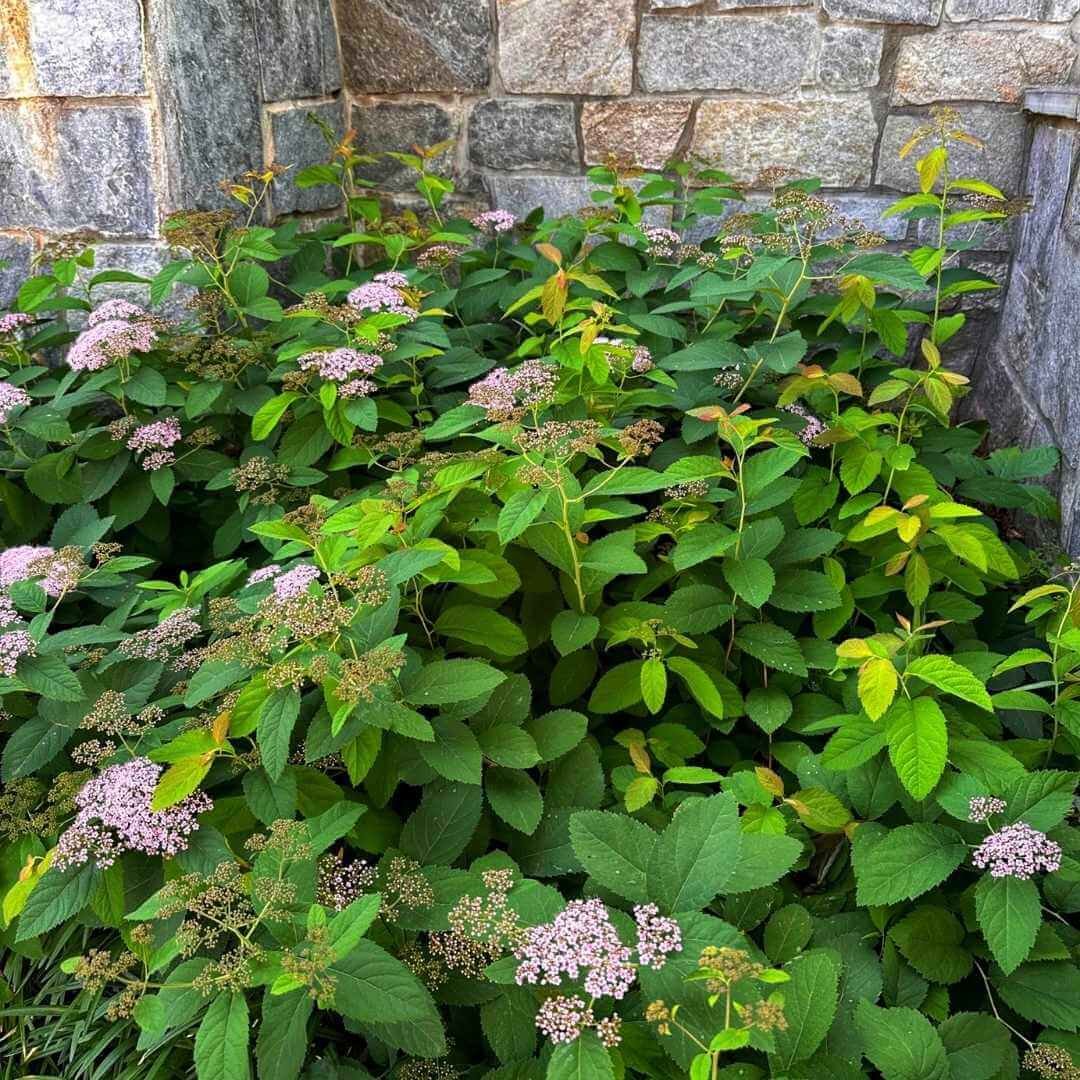
Pink Sparkler spirea is beautiful in the garden, but considered invasive in many states. Image ©Plant and Bloom Design Studio
Japanese spirea (Spirea japonica), also known as Japanese meadowsweet, is a popular flowering shrub prized for its flat-topped lacy clusters of pink flowers. This low-maintenance plant is a popular choice among gardeners, and many different varieties are readily available at garden centers and big box stores. But before you add one to your shopping cart, you may want to think twice and double-check which variety you’re grabbing!
Yes, Japanese spirea is invasive in many parts of the United States. It spreads aggressively by seed, crowds out native plants, and forms dense thickets that disrupt local ecosystems. One plant can produce hundreds of tiny seeds that remain viable in the soil for years. You can view its full documented range at the USDA’s National Invasive Species Information Center.
Which States Is Japanese Spirea Invasive In?
Japanese spirea is currently listed as invasive or a significant threat in the following states. Always check your local extension service, as this list continues to grow:
But here’s the good news: not all Japanese spirea cultivars behave the same way. If you love the look of spirea but want to plant responsibly, choosing seedless or low-fertility cultivars is the answer. These non-invasive spirea varieties provide the same vibrant flowers and colorful foliage, without the invasive risk.
Keep scrolling for the list of non-invasive spirea varieties to consider!
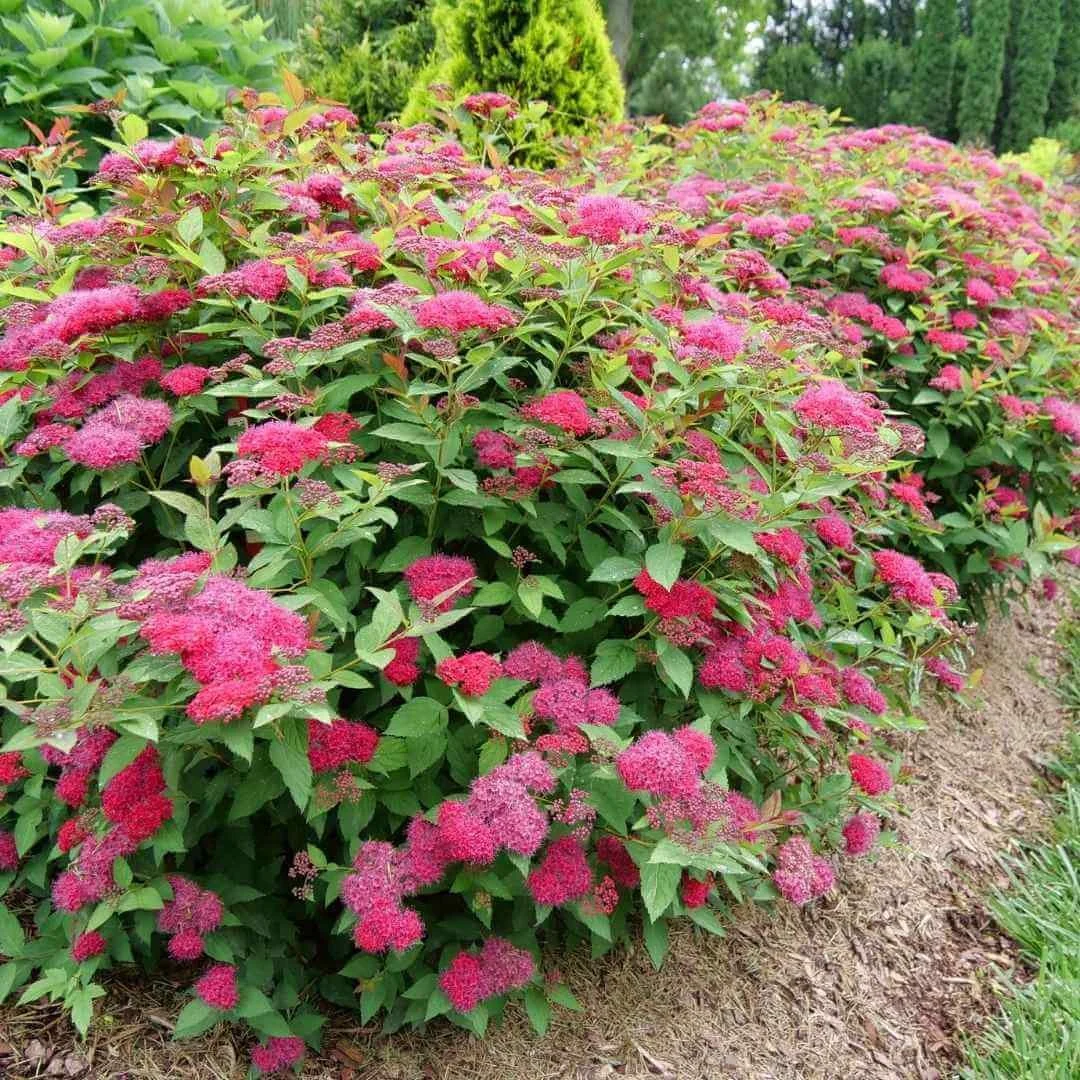
Double Play Doozie®, a non-invasive spirea variety. Image courtesy of Bailey Nurseries
Non-Invasive Japanese Spirea Varieties Worth Planting
The non-invasive spirea varieties below have been selected because they produce very few or no viable seeds, meaning they stay right where you plant them. Research has identified 'Crispa', 'Dart's Red', and 'Neon Flash' as confirmed sterile cultivars.
Proven Winners markets Double Play Candy Corn and Double Play Doozie as seedless. Check tags carefully before purchasing, because not all varieties in the Double Play series are seedless.
Glow Girl® and Meadowsweet are North American natives with no invasive concerns.
Crispa (Spiraea x bumalda 'Crispa') is a sport of the popular ‘Anthony Waterer’ variety. It has flat-topped clusters of deep pink flowers and unusual red-tinted crinkly green leaves. It grows up to 3 feet tall and 4 feet wide.
Dart’s Red (Spiraea x bumalda 'Dart's Red') blooms from late spring through summer with cherry red flowers that age to a rich pink, contrasting beautifully against deep green leaves. It makes a great low hedge, mass planting, or filler plant.
Neon Flash (Spiraea japonica 'Neon Flash') has bright red-pink flowers and deep green foliage that turns red in autumn, growing up to 3 feet tall and wide. Use it for mass plantings or to create a low hedge.
Double Play® Candy Corn® (Spiraea japonica 'NCSX1') has bright foliage in shades of red, yellow and orange, with vivid purple-red blooms. A low-growing 18-24 inches tall, it makes a great mass planting, low hedge, or filler for the front of the border.
Double Play Doozie® (Spiraeax 'NCSX2') begins to bloom in late spring with deep reddish-purple flowers that continue through until fall. It keeps a tidy, mounded shape and grows 2-3 feet high and wide, making it perfect for foundation plantings or lining walkways and sidewalks.
Glow Girl® Birchleaf Spirea (Spirea betulifolia ‘Tor Gold’) forms a tidy, compact mound of 3–4 feet tall and wide, thriving in Zones 3–9 with eye-catching golden-yellow foliage and purple buds that open to reveal white summer blooms.
Meadowsweet (Spiraea alba) is a native North American woody shrub found in swamps and wet meadows. With golden yellow foliage and pinkish-white flowers, this moisture-loving shrub grows in zones 3-5 and is both a host and nectar plant for pollinators. Only use if you have a consistently moist site.
Steeplebush (Spiraea tomentosa) is an upright native spirea, 2–3 feet tall in Zones 3–8, tipped with spiky pink flowers. Like Meadowsweet, it thrives in wet sites and will sucker to form a colony. This is natural spreading behavior, not invasiveness.
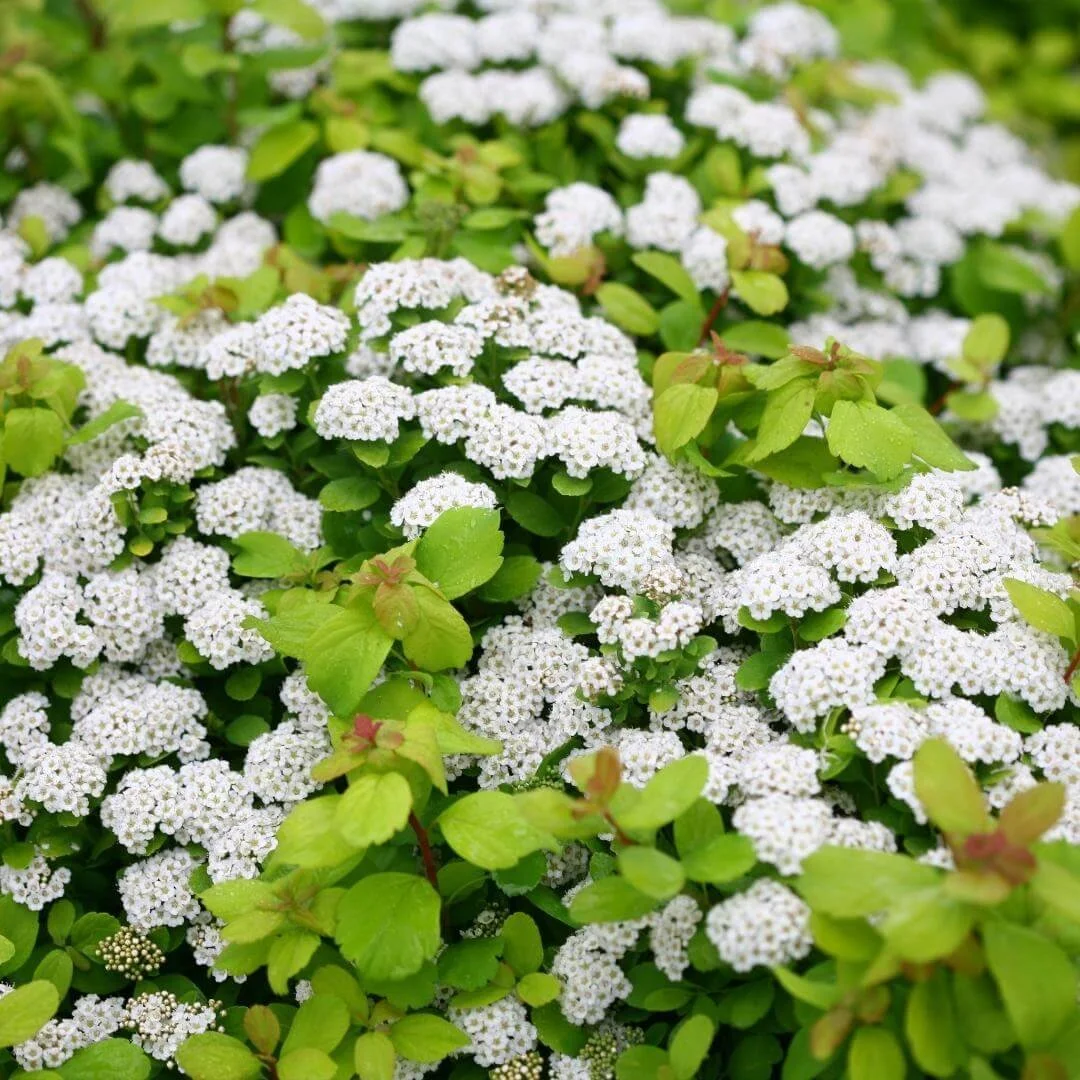
Glow Girl® birchleaf spirea. Image courtesy of Proven Winners, provenwinners.com
Where to Use Non-Invasive Spirea in Your Landscape
Front of the house: Adds curb appeal with colorful blooms and tidy growth.
Backyard planting: Brings vibrant color and easy-care beauty to backyard beds and borders.
Foundation planting: Great choice for softening the base of your home.
Low hedge: Forms a compact, easy-to-maintain 3-season border.
Soften a chain-link fence: Provides a softer and more attractive natural screen.
Mixed border: Pairs well with perennials and other shrubs for layered interest.
Island bed: Creates a focal point with seasonal color.
Narrow strip along a driveway: Adds color and interest without overwhelming small spaces.
Mass planting: Excellent for making a bold visual impact.
Erosion control: Plant in large swathes on slopes or banks to stabilize the soil.
Cottage garden filler: Fits right in with informal, flower-filled landscapes.
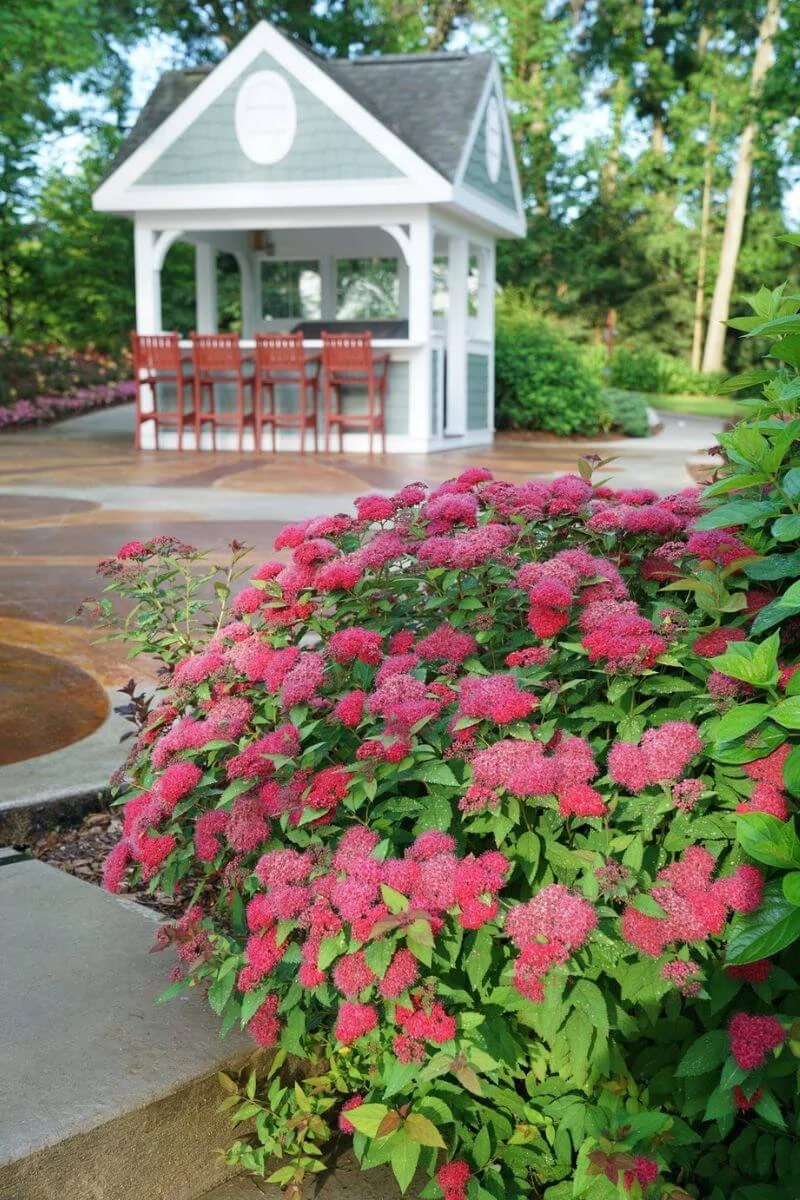
Double Play Doozie® spirea brings a burst of color to this backyard landscaping. Image courtesy of Spring Meadow Nursery, Inc.
Is Japanese Spirea Deer-Resistant?
All spirea varieties, including Japanese spirea, are considered to be deer-resistant plants. Deer tend to avoid spirea’s foliage and flowers, most likely due to its taste and slightly rough texture (I haven’t asked a deer, so who really knows? 😉).
Rutgers University rates spirea as “seldom severely damaged” on their list of Landscape Plants Rated by Deer Resistance. But, sadly, no plant is 100% deer proof.
When food is limited, deer become less picky and will eat almost anything, including plants they usually avoid.
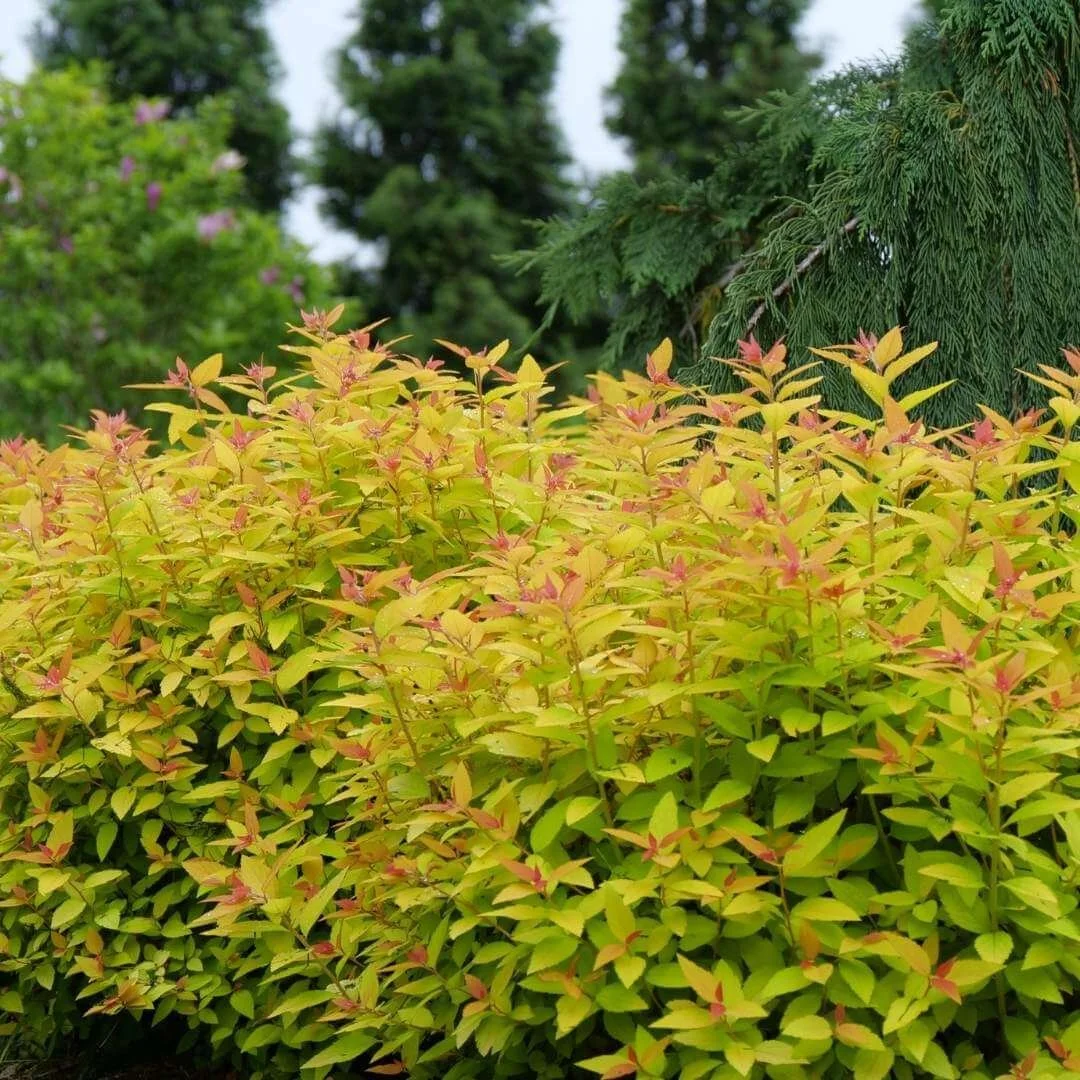
Double Play® Candy Corn® spirea. Image courtesy of Spring Meadow Nursery, Inc.
Japanese Spirea Quick Reference (Species Overview)
These stats apply to the species as a whole (Spiraea japonica). Individual cultivar details vary, so always check the tag!
Common name: Japanese Spirea, Japanese Meadowsweet
Native range: China, Japan (non-native in North America)
Hardiness zones: Zones 4–8 (most cultivars)
Mature size: 2–6 feet tall and 2-7 feet wide, depending on cultivar
Light requirements: Full sun to part shade (best color in full sun)
Form: Dense, upright to mounding deciduous shrub
Growth rate: Fast
Flower color: Pink, white, lavender, cherry-red (varies by cultivar)
Bloom time: Spring, summer; reblooms if deadheaded
Foliage: Alternate, serrated leaves; many cultivars offer colorful foliage (gold, red-orange, yellow-green)
Wildlife value: Attracts butterflies and pollinators
Deer resistant: Yes
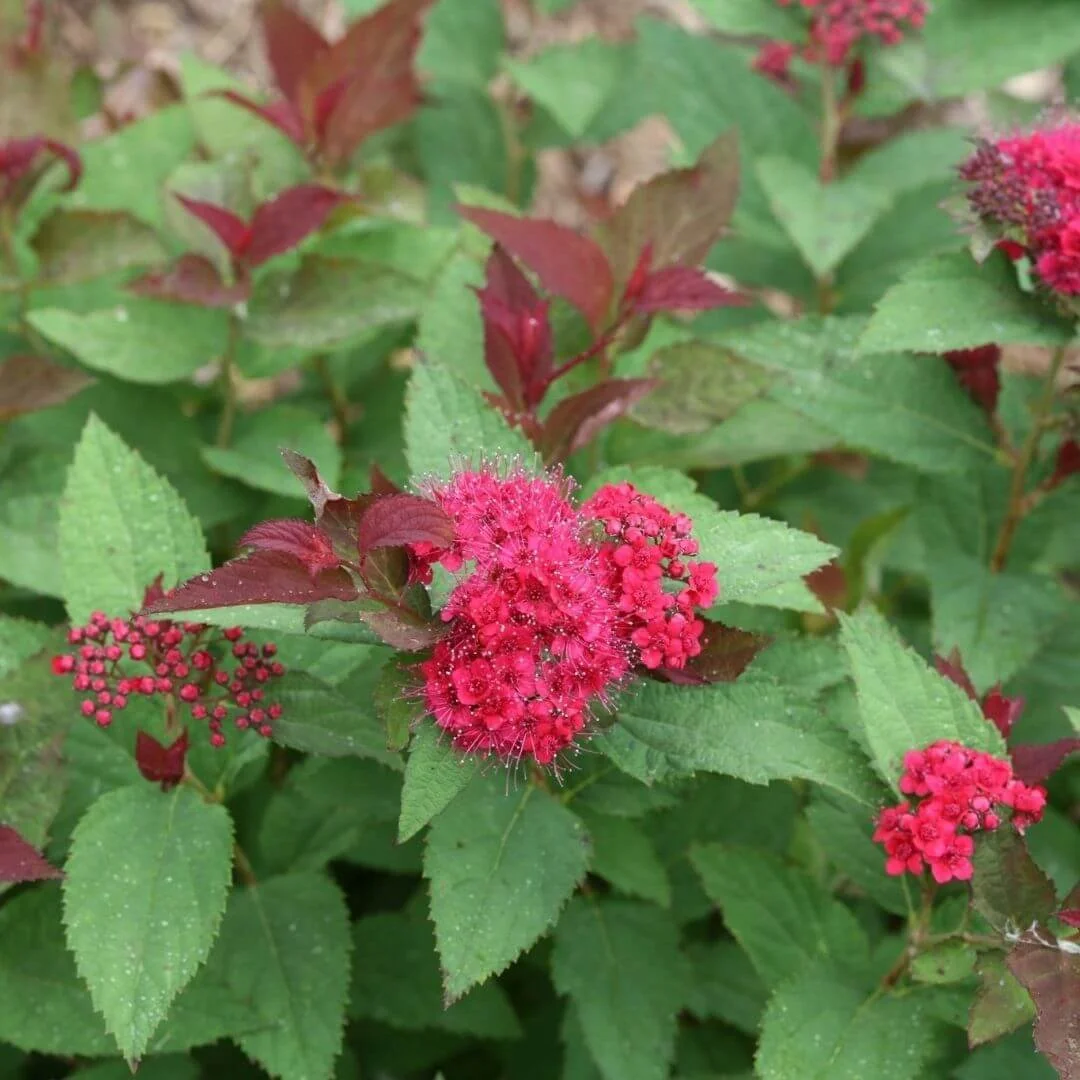
Double Play Doozie® spirea has deep magenta blooms alongside emerging red new growth and deep green foliage. Image courtesy of Spring Meadow Nursery, Inc.
Prefer to Go Fully Native? Great Alternatives to Japanese Spirea
If you’d rather skip Japanese spirea entirely, in addition to the native spireas mentioned above, consider any of these beautiful native shrubs that fill a similar role in the landscape without any invasive concerns:
Virginia Sweetspire (Itea virginica)
Summersweet (Clethra alnifolia)
Fothergilla (Fothergilla gardenii)
New Jersey Tea (Ceanothus americanus)
American Beautyberry (Callicarpa americana)
Ninebark (Physocarpus opulifolius)
All offer multi-season interest and support local wildlife. Look for them at a well-stocked nursery or online.
The Bottom Line on Japanese Spirea
Japanese spirea has a complicated reputation, and for good reason in certain states. But the story doesn’t have to end with “don’t plant it.” By choosing non-invasive spirea varieties with low or no seed viability, you can enjoy all the vibrant color, easy care, and versatility this shrub is known for. all without contributing to the spread problem.
And if you’d rather go fully native, the alternatives above are just as beautiful and even more beneficial for your local ecosystem. Either way, you’ve got great options. Always check your local extension service or state invasive species list before planting, since invasiveness varies by region.
Happy planting! 🌿
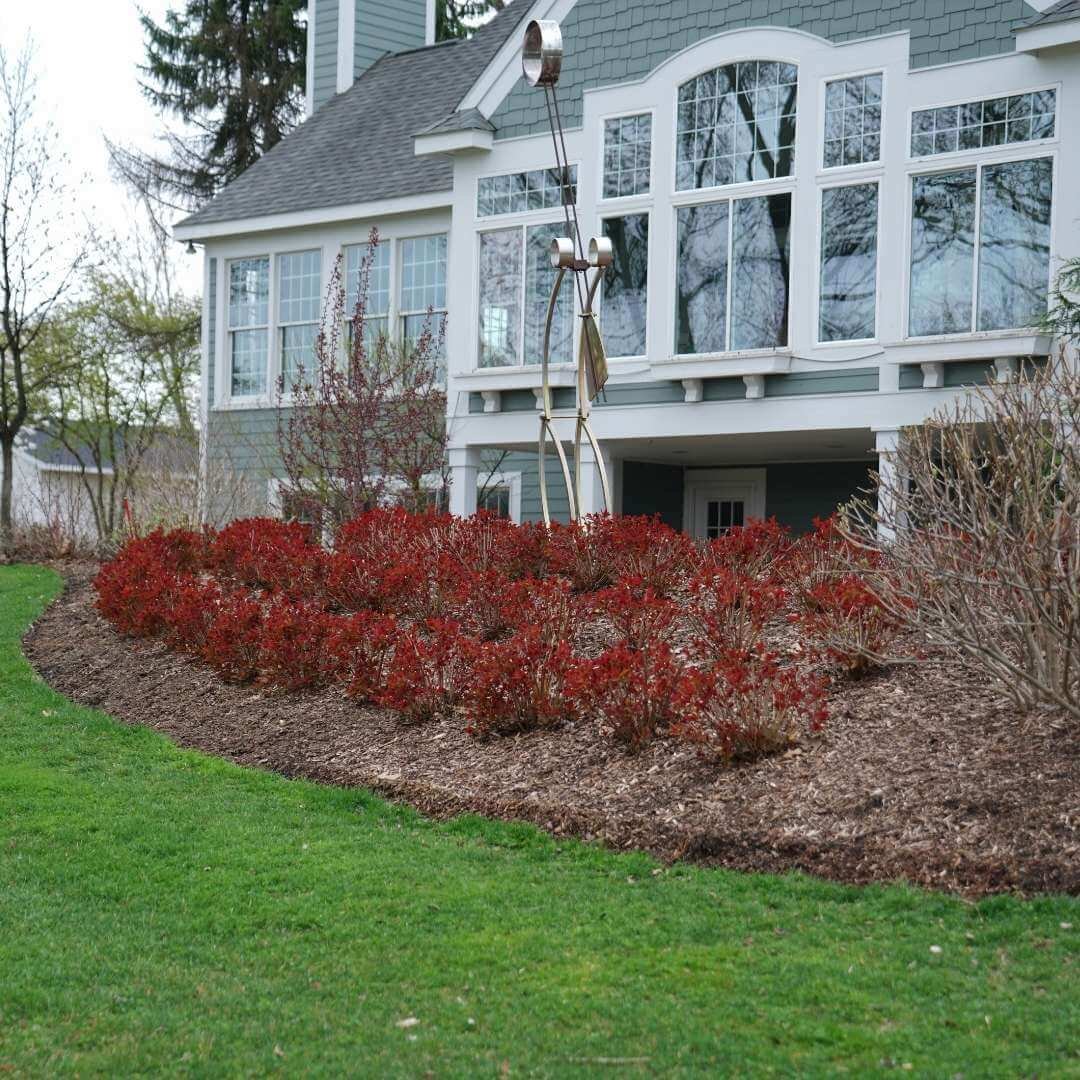
A mass planting of Double Play Doozie® spirea in spring. Image courtesy of Spring Meadow Nursery, Inc.