
Pothos vs Philodendron: A Complete Comparison
Published: October 5, 2026
Pothos and philodendron can look so much alike that it’s easy to mix them up. Maybe you have one and aren’t entirely sure which it is. Or you’re eyeing both at the plant shop, trying to decide which to bring home.
I’d probably tell you to buy both, but that’s how a quaint hobby turns into a full-blown obsession. I own 60+ houseplants, so consider me a cautionary tale. 😀
I used to work in a plant shop, and I grow both pothos and philodendrons at home. I understand the appeal and the confusion!
Both are wonderful beginner plants, but there are differences in their appearance and care that can help you identify yours or choose the best one for your space.
Let’s look at how to tell them apart, what each needs to grow well, and why I give pothos a slight edge for ease of care.
This article may contain affiliate links. If you make a purchase through one of these links, I may earn a commission at no additional cost to you.
First, Which Philodendron Are We Talking About?
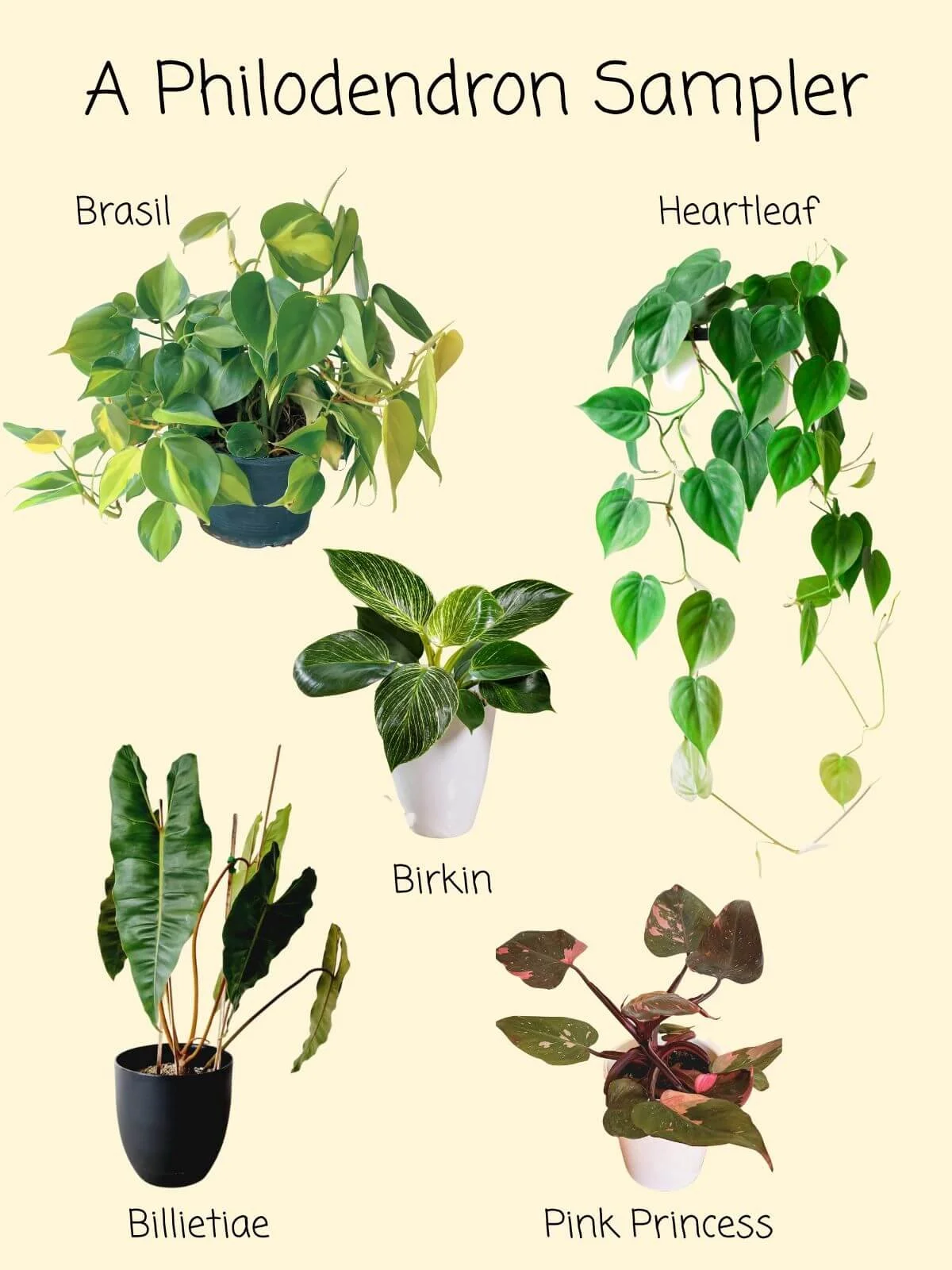
Part of the confusion is that “philodendron” covers a whole group of plants with very different looks.
Some philodendrons have trailing vines that can easily be mistaken for pothos. Others have a more upright shape, with larger leaves that look quite different. So if you’ve seen two very different plants labeled philodendron, both labels could be correct.
Then there’s Monstera deliciosa, commonly called “split-leaf philodendron.” Despite that name, it’s a monstera, not a true philodendron. As if plant names weren’t confusing enough already. 😉
We’ll focus mainly on pothos and the trailing philodendrons that look most like it, while touching on other types to help you sort out the differences.
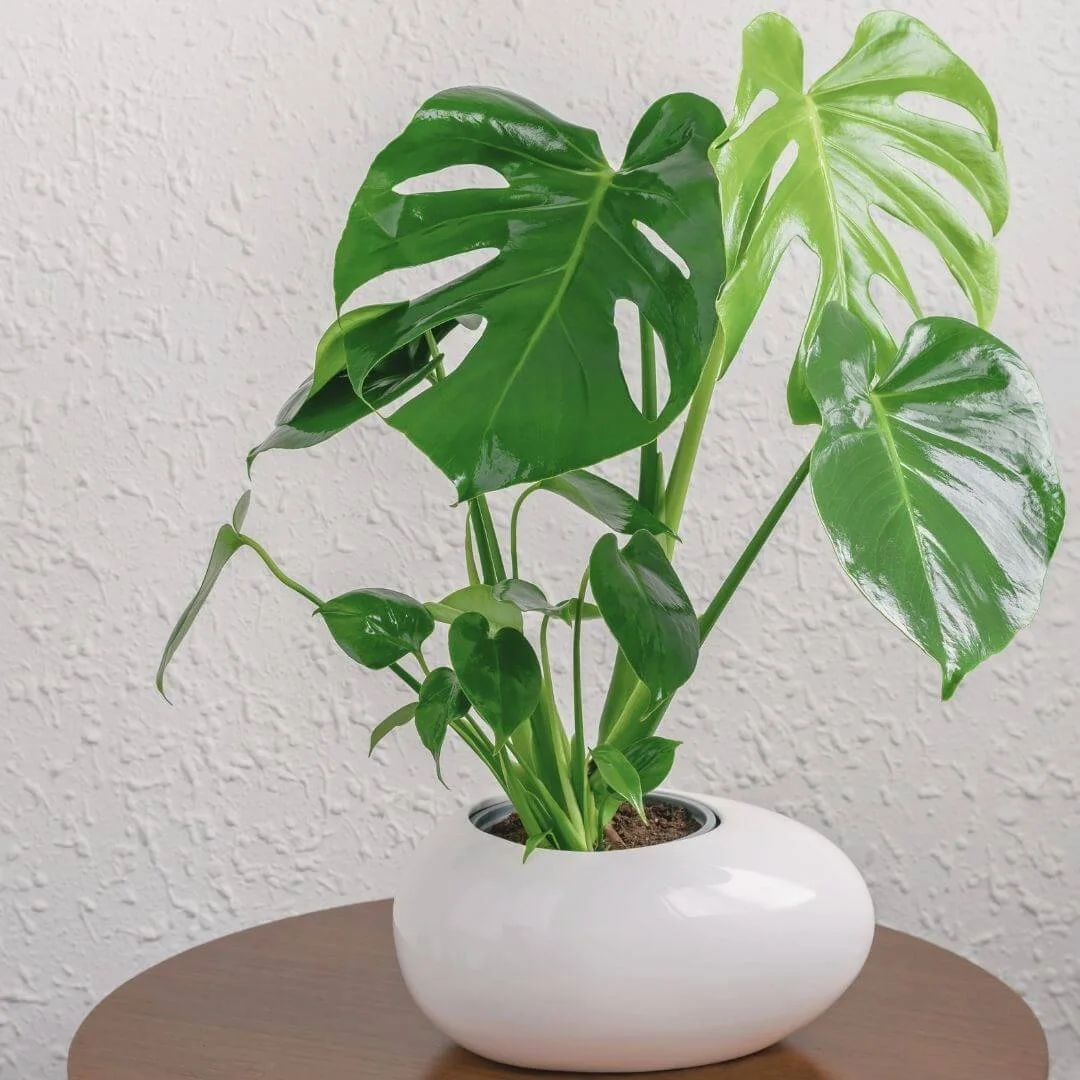
Monstera deliciosa is often called split-leaf philodendron, but it's not a true philodendron. Image © Zima via Canva.com
Pothos at a Glance
Botanical Name: Epipremnum aureum
Light: Bright, indirect light; tolerates lower light
Soil: Indoor potting soil with added perlite to help excess water drain
Moisture: Water when the surface of the soil feels dry to the touch; let excess water drain and empty the saucer
Native to: Tropical Pacific regions
Pet Safe: No, toxic if chewed or eaten
Good for Beginners: Yes, my #1 choice for an easy houseplant
Popular Varieties: Golden, Marble Queen, Neon, Jade, Global Green, Lemon Meringue, Pearls and Jade, N’Joy
Learn more about growing Lemon Meringue Pothos in my complete care guide.
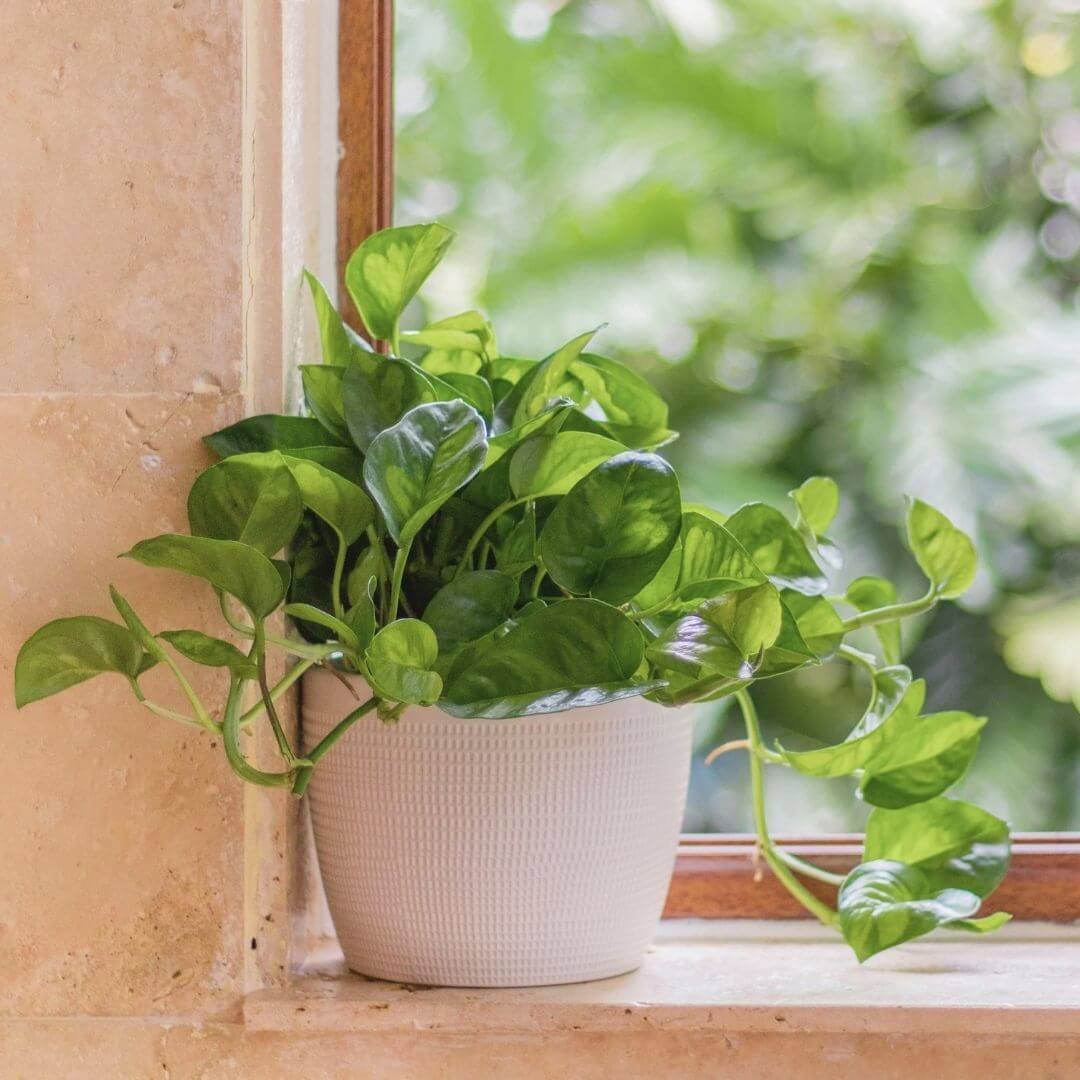
Global Green Pothos. Image courtesy of Costa Farms/National Garden Bureau
Philodendron at a Glance
Botanical Name: Philodendron species
Light: Bright, indirect light; heartleaf types tolerate lower light
Soil: Indoor potting soil with added perlite to help excess water drain
Moisture: Water when the top inch of soil feels dry; let excess water drain and empty the saucer
Native to: Tropical regions of Central and South America and the Caribbean
Pet Safe: No, toxic if chewed or eaten
Good for Beginners: Yes, especially trailing heartleaf types
Popular Types: Heartleaf, Brasil, Lemon Lime, micans (velvet philodendron), Birkin, Pink Princess, Prince of Orange
Learn more about growing Pink Princess Philodendron in my complete care guide.
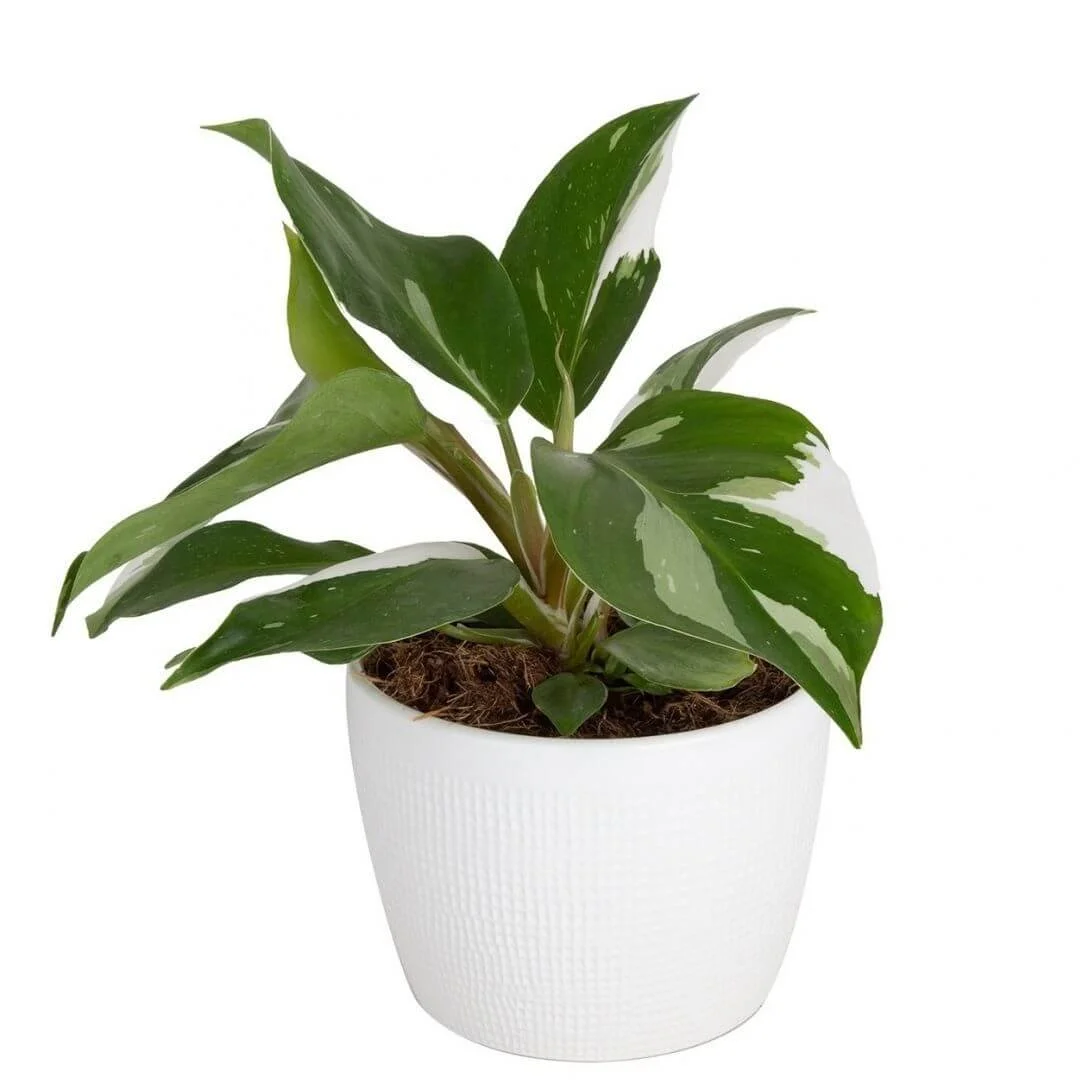
White Knight Philodendron. Image courtesy of Costa Farms/National Garden Bureau
How to Tell Pothos and Philodendron Apart
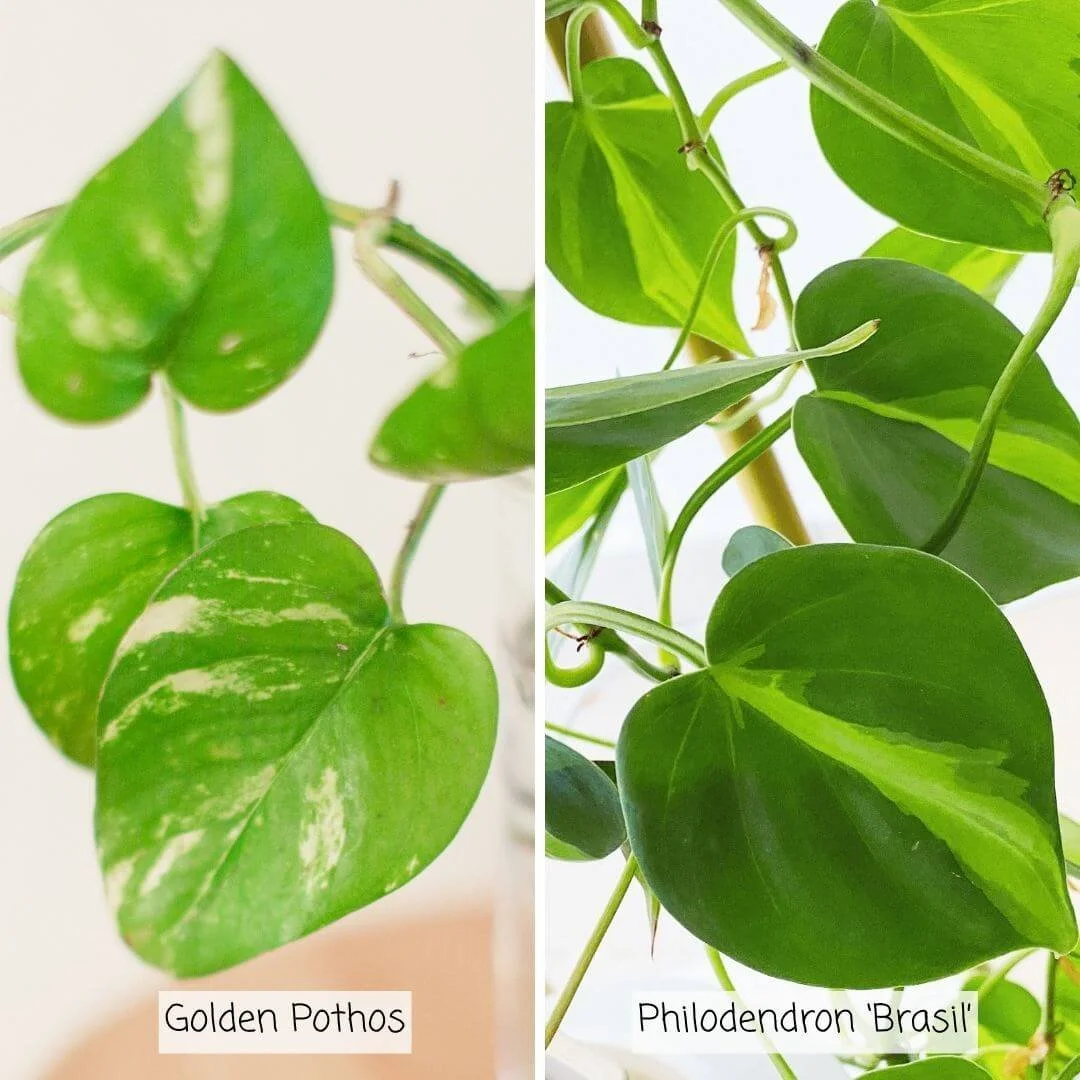
The upright philodendrons are usually pretty easy to distinguish from pothos. It’s the trailing types that can leave you wondering what you’ve brought home.
Many familiar trailing philodendrons, including Brasil, Lemon Lime, and micans, are forms of heartleaf philodendron (Philodendron hederaceum), so that’s the group we’ll compare here.
Both plants can have solid green or variegated foliage, so look beyond color to these three identifying features:
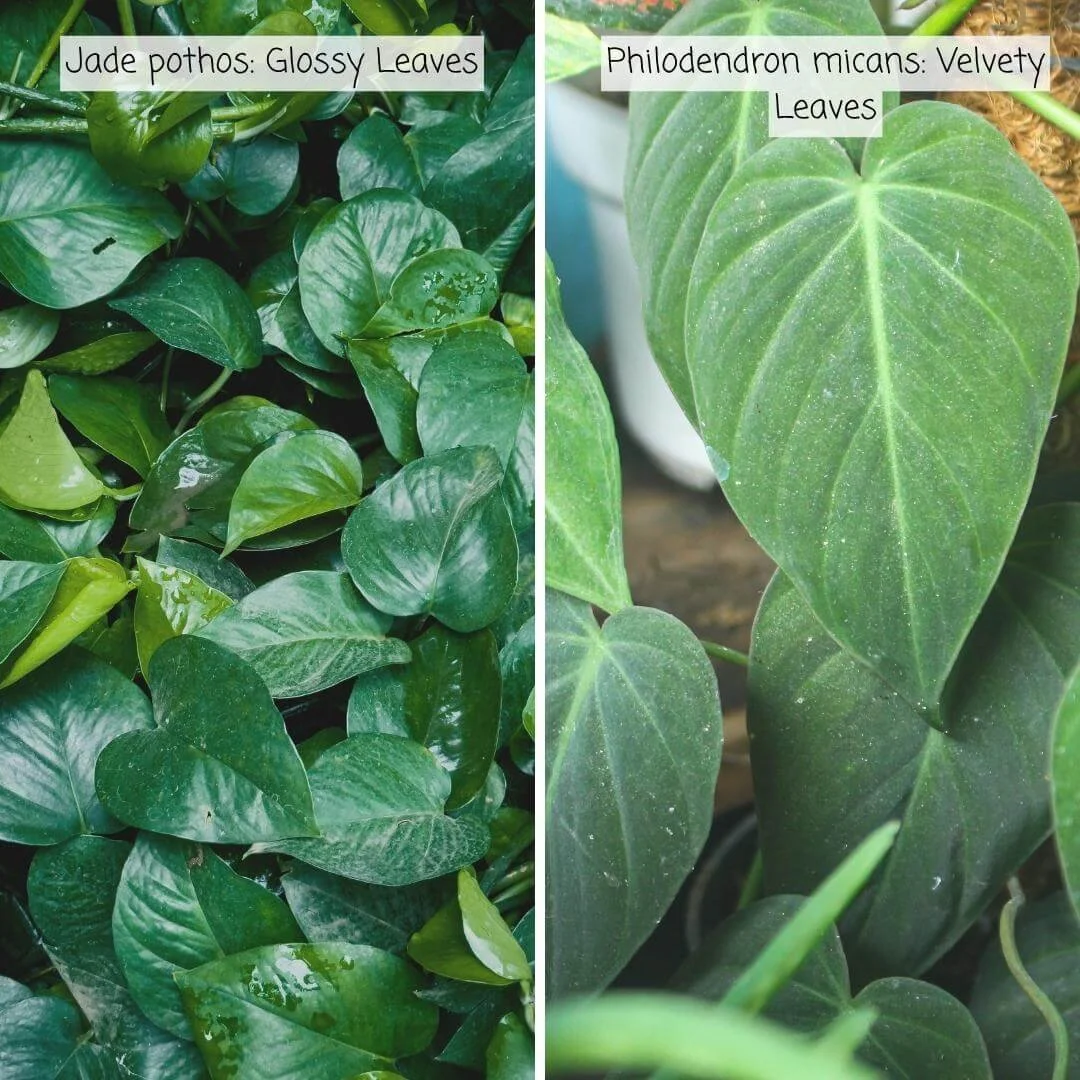
Leaf texture: Pothos leaves feel thicker and waxier. Heartleaf philodendron leaves are thinner and softer, while micans has a velvety surface.
Leaf stalks: Look at the small stalk connecting a leaf to the main vine, called a petiole. On pothos, it has a groove running along it. On heartleaf philodendron, it’s rounded without that groove. This is especially helpful when the foliage looks similar.
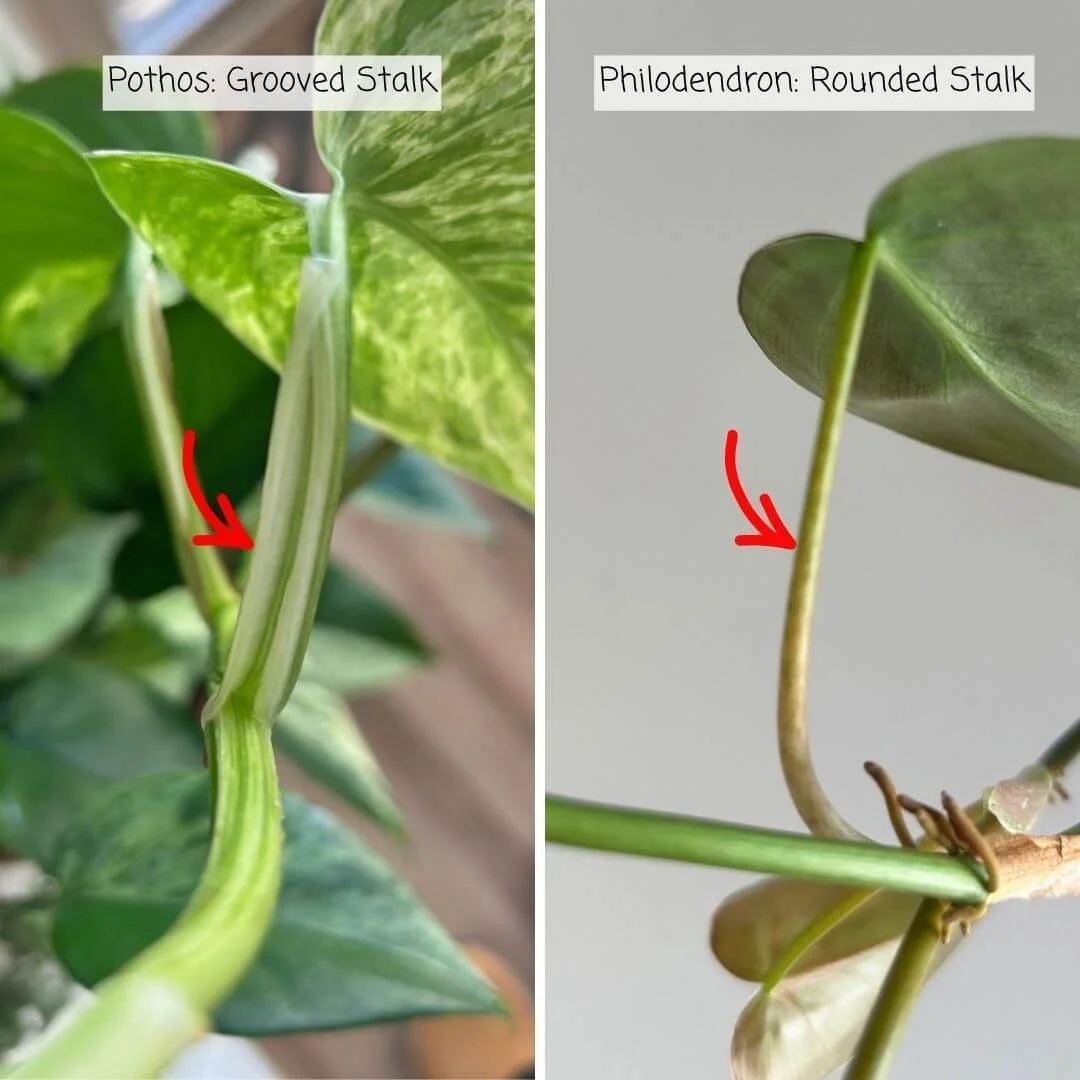
Image © Plant and Bloom Design Studio
New growth: Heartleaf philodendron leaves emerge from a separate protective sheath. After the leaf opens, the sheath dries into a papery brown remnant and eventually falls off. Pothos doesn’t leave behind a papery sheath.
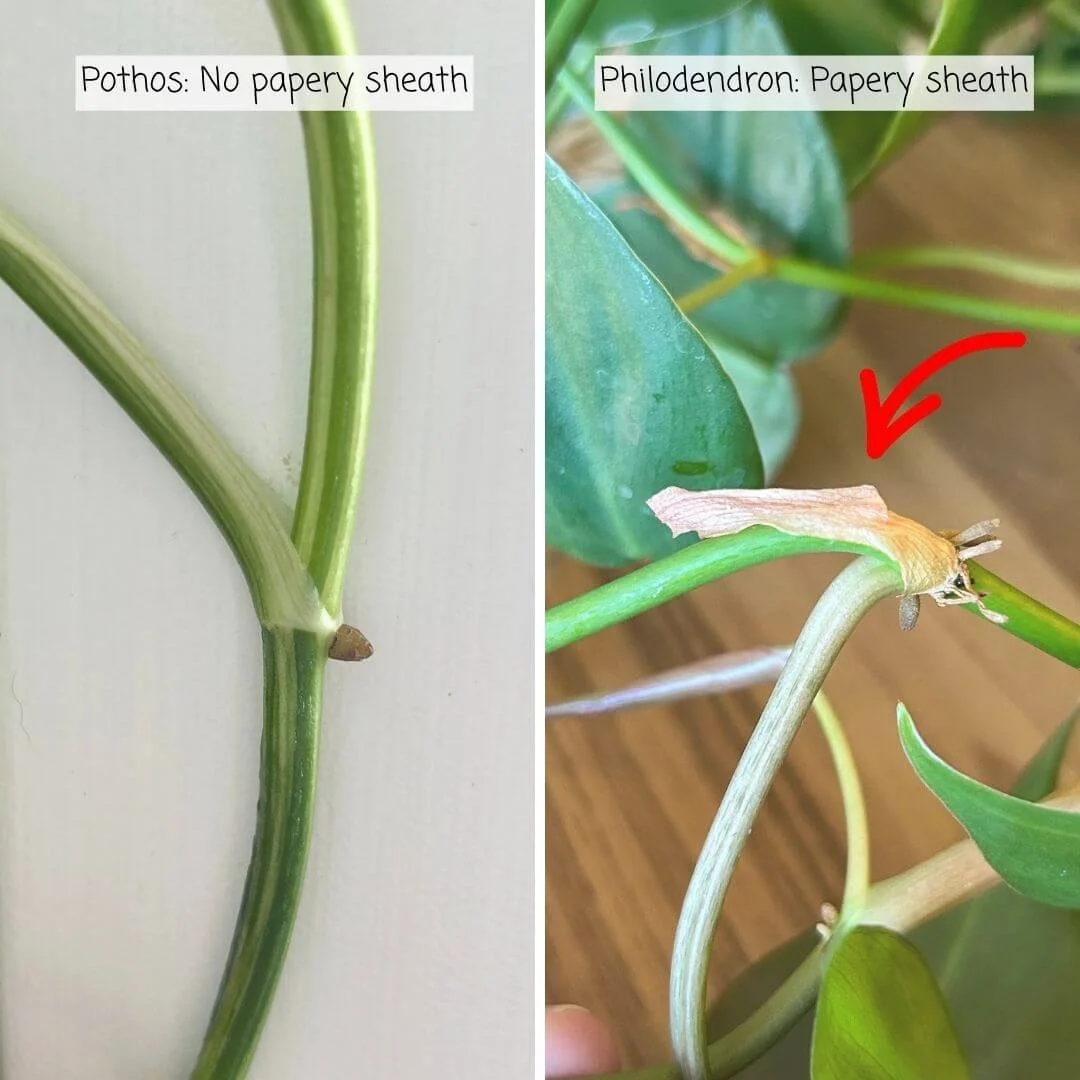
Image © Plant and Bloom Design Studio
Pothos vs Philodendron Care
Once you know which plant you have, caring for it isn’t complicated. Both are good beginner plants, as long as you are careful to give them enough light and pay attention to watering.
Light: Bright, indirect light, away from strong direct sun, is a good starting point for both. Heartleaf philodendrons and pothos both tolerate lower light, but tolerating a dim spot isn’t the same as thriving. Variegated plants need bright indirect light to maintain their coloring; in low light, new leaves will begin to show less variegation. If your space doesn’t get enough natural light, a grow light can help.
Water: Pothos prefers a chance to dry between waterings, while philodendrons generally prefer more consistent moisture. Check the soil with your finger or a moisture meter before watering, rather than following a fixed weekly schedule. When you do water, soak the soil thoroughly and let excess water drain away. Don’t leave the pot sitting in water.
Fertilizer: Both benefit from feeding during active growth. Use a houseplant fertilizer according to the label directions, and reduce feeding when growth slows.
With my own philodendrons, I’ve noticed that new leaves get smaller when I fall behind on fertilizing. A regular feeding routine helps keep them looking their best.
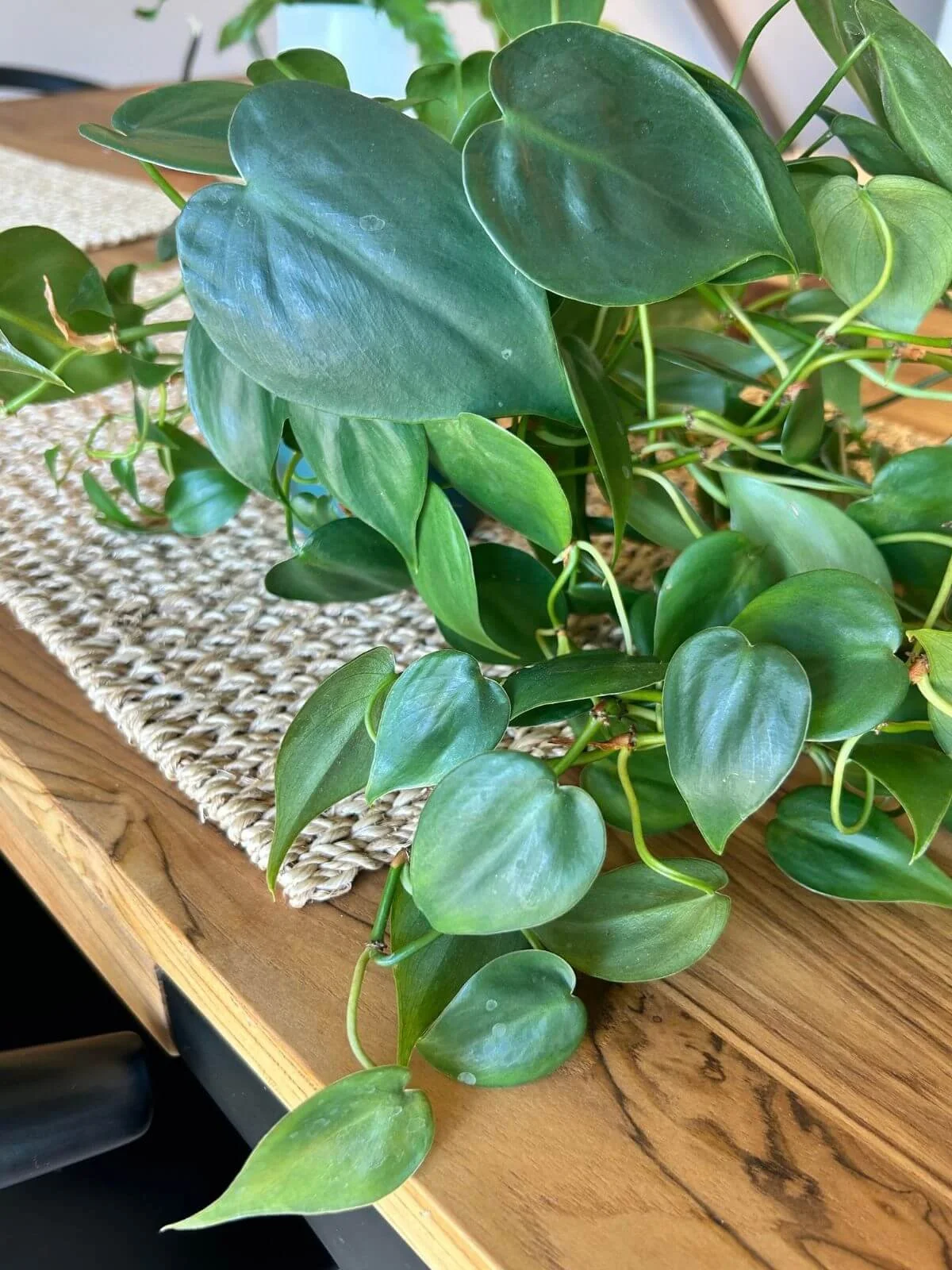
The smaller leaves towards the bottom of my heartleaf philodendron are a reminder that I've fallen behind on fertilizing. Image © Plant and Bloom Design Studio
Which Is Right for Your Space?
If you want a plant to spill over a shelf or soften the edge of a bookcase, pothos and trailing philodendrons both do the job beautifully. Choose the leaf color and texture you love, then make sure the spot has enough light.
For a more upright plant on a desk or side table, look at philodendrons such as Birkin or Prince of Orange. Check the growth habit of the particular type before buying, though, because some philodendrons that look upright when young eventually need something to climb on, like a coir pole.
If ease of care is your deciding factor, pothos will always get my vote. In my collection, it’s more forgiving of missed waterings and a less consistent fertilizer routine. Many philodendrons are still excellent beginner plants; I just find pothos asks a little bit less.
And if you have the room and suitable light for both, you already know where I stand. 🪴🪴😂