
Summer Garden Watering Tips: How Much and When
Published: June 3, 2026
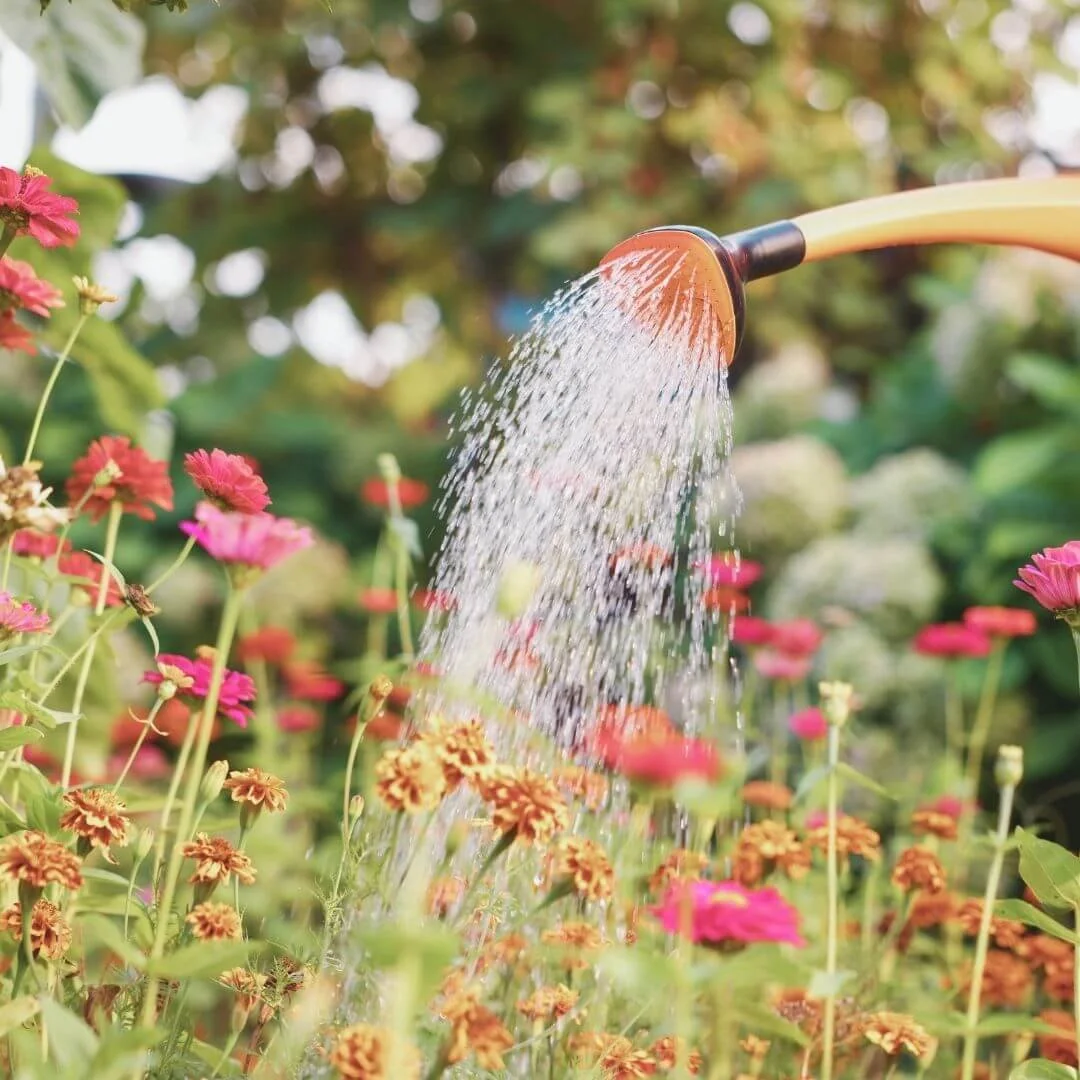
Summer is peak watering season, and the right tools make all the difference. Image credit @Africa via Canva.com
It happens every single summer, without fail. The weather heats up, you get busy, and one day you walk out to your garden and everything is drooping. Your tomatoes look tragic. Your newly planted shrubs are wilting in protest. And you're standing there with a hose wondering how you're supposed to keep up with all of this.
First: take a breath. A wilted plant is not a dead plant. Not yet.
Second: let's talk about how to water smarter this summer so you're not spending every hot morning dragging a hose around your yard.
As a landscape designer, I get more questions about watering than almost anything else this time of year. The truth is, knowing how to water your garden in summer comes down to two things: timing and having the right system in place. Let's tackle both.
Why Summer Watering Feels So Overwhelming
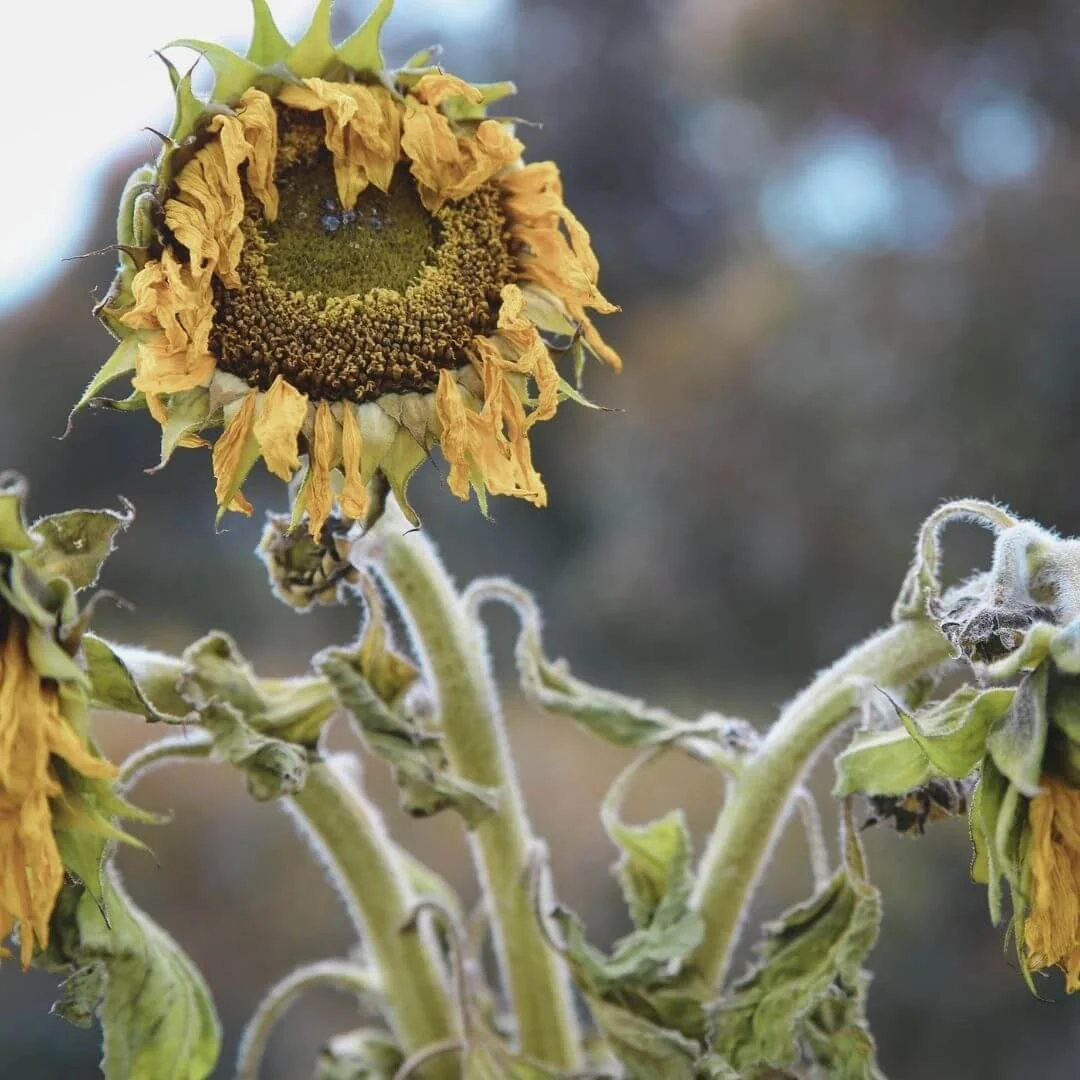
Wilting is one of the first signs your garden is stressed from heat and drought. Image credit @MrMiagi via Canva.com
Spring was manageable. Your plants were new, the weather was mild, and rain was doing half the work. Summer changes everything.
Heat accelerates water loss through plant leaves (a process called transpiration), and soil dries out much faster when temperatures climb above 85°F. Add in drying winds, radiated heat from patios and driveways, and a few dry weeks in a row, and your garden's water needs can double compared to spring.
New plants are especially vulnerable. That shrub you put in six weeks ago still hasn't developed the root system it needs to pull moisture from deeper in the soil. It's relying almost entirely on you right now.
The good news? Once you understand why your garden is thirsty, the watering schedule makes a lot more sense.
This article may contain affiliate links. If you make a purchase through one of these links, I may earn a commission at no additional cost to you.
Your Summer Garden Watering Schedule: How Much and How Often
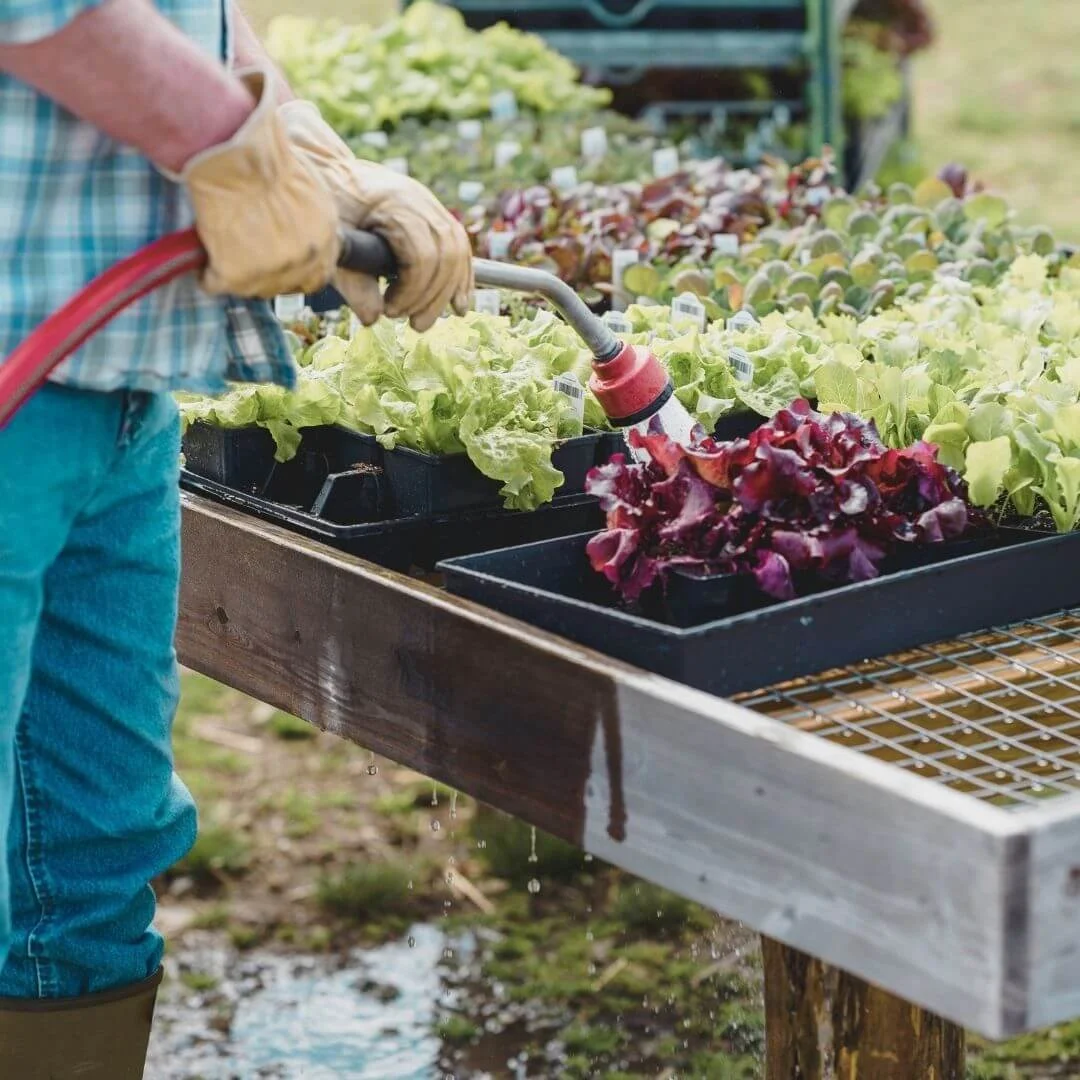
Garden center staff water constantly. Small pots dry out quickly, and your containers at home are no different. Image credit @Greta Hoffman via Canva.com
The general rule of thumb is 1 inch of water per week for most established garden plants, but in peak summer heat, that number can creep closer to 1.5 to 2 inches. Here's how to break it down by plant type:
Newly planted plants (less than 2 years in the ground) These are your highest priority and need the most attention:
Weeks 1–2: water every 1–2 days
Weeks 3–4: water 2–3 times per week
Remainder of first growing season: 1–3 times per week, more during heat waves or drought
Established perennials and grasses: Check the top 2–4 inches of soil. When it's dry, it's time to water. Deep, less frequent watering is always better than light daily sprinkles because you want to encourage roots to grow down, not hover near the surface.
Established shrubs: Check the top 4–6 inches. Most established shrubs that have been in the ground for 2+ years can handle dry periods, but don't let them go more than 7–10 days without water during a hot spell.
Trees: A long, slow, deep soak once or twice a month is usually sufficient for established trees. For newly planted trees, aim for a deep watering 2–3 times per week, with water penetrating 12–18 inches into the soil. The hose trickle method (more on that below) is ideal here.
Containers: Water until it flows freely out of the drainage holes. In summer, containers can need daily watering because they heat up fast and have less soil volume to buffer dry spells. One thing to watch for: if a pot has dried out completely, the soil can shrink and pull away from the sides of the pot. When that happens, water runs straight down the gap and out the bottom without actually soaking the soil. If you suspect this is happening, water slowly and repeatedly until the soil has had a chance to rehydrate and absorb moisture properly.
Not sure how dry it's been in your area? The US Drought Monitor is updated weekly and shows current drought conditions by region. It’s a helpful reality check before you adjust your watering schedule.
When Should I Water in Summer?
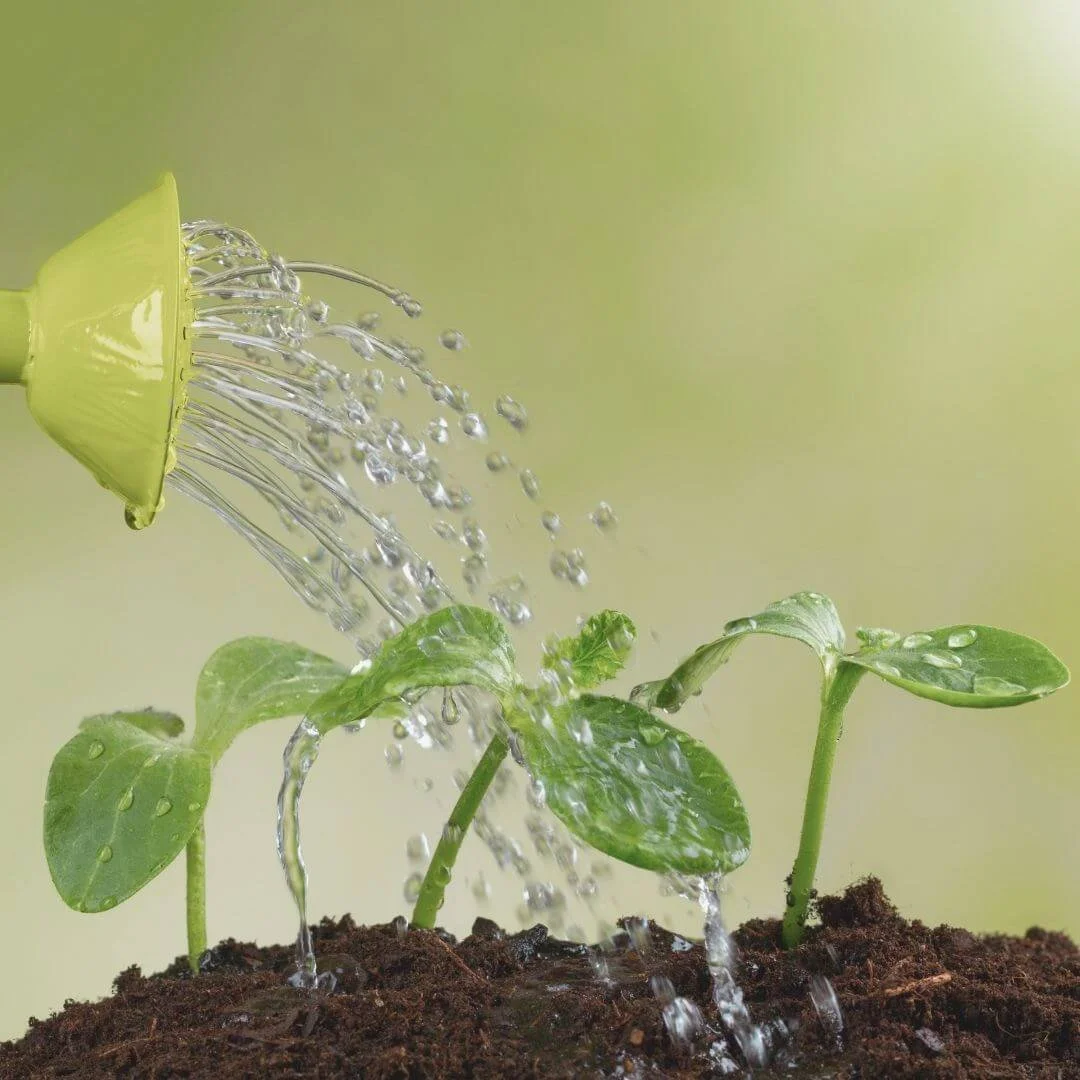
Newly sprouted seedlings are delicate. Keep a close eye on soil moisture and water gently to avoid disturbing the roots. Image credit @jakubgojda via Canva.com
Morning is the gold standard. Watering early (before 10am) gives plants time to absorb moisture before the heat of the day causes rapid evaporation, and it allows any water that splashes onto foliage to dry off before evening. Wet leaves sitting overnight are an open invitation to fungal disease.
Evening is okay in a pinch. Let's face it, life gets in the way. Just try to water at the base of plants and avoid wetting the foliage.
Midday watering is fine too if that's what your schedule allows. You may lose a bit more water to evaporation, but you are not going to "burn" your plants. That's a myth. Water at the time that is most realistic for your life. A garden that gets watered at noon is better than a garden that doesn't get watered because the timing wasn't perfect.
Summer Watering Methods: What Actually Works
Hand Watering
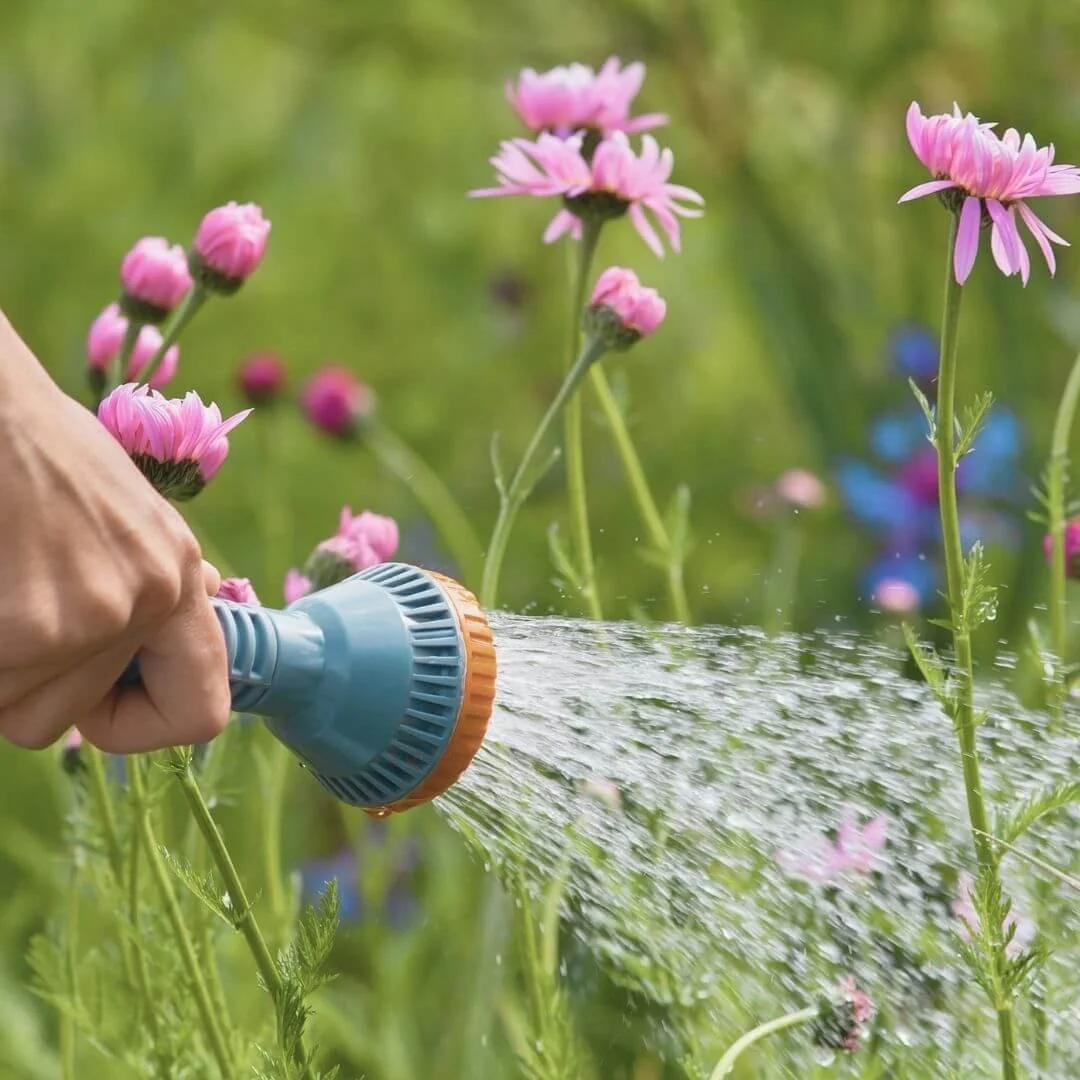
Hand watering lets you check in on each plant individually and catch early signs of stress. Image credit @PavelRodimov via Canva.com
Hand watering is the most familiar method, but also the most time-consuming. A good adjustable hose nozzle or a watering wand lets you target water directly at the base of plants, which is exactly where you want it. Try to keep water off the foliage as much as possible. Water sitting on leaves is a pathway for fungal disease.
Hand watering is great for checking in on plants individually and catching early signs of stress, but for a larger garden in the peak of summer? It's a lot. A lot of time, a lot of hose-dragging, a lot of "I'll do it tomorrow" moments that stack up.
A watering can has its place too. It's not practical for a large garden, but it's ideal for patio pots, front porch containers, or anywhere the hose can't easily reach. It's also a great way to get kids involved in the garden. There are some gorgeous watering cans out there that make the whole task feel a little more enjoyable.
The Hose Trickle Method (Trees and Large Shrubs)
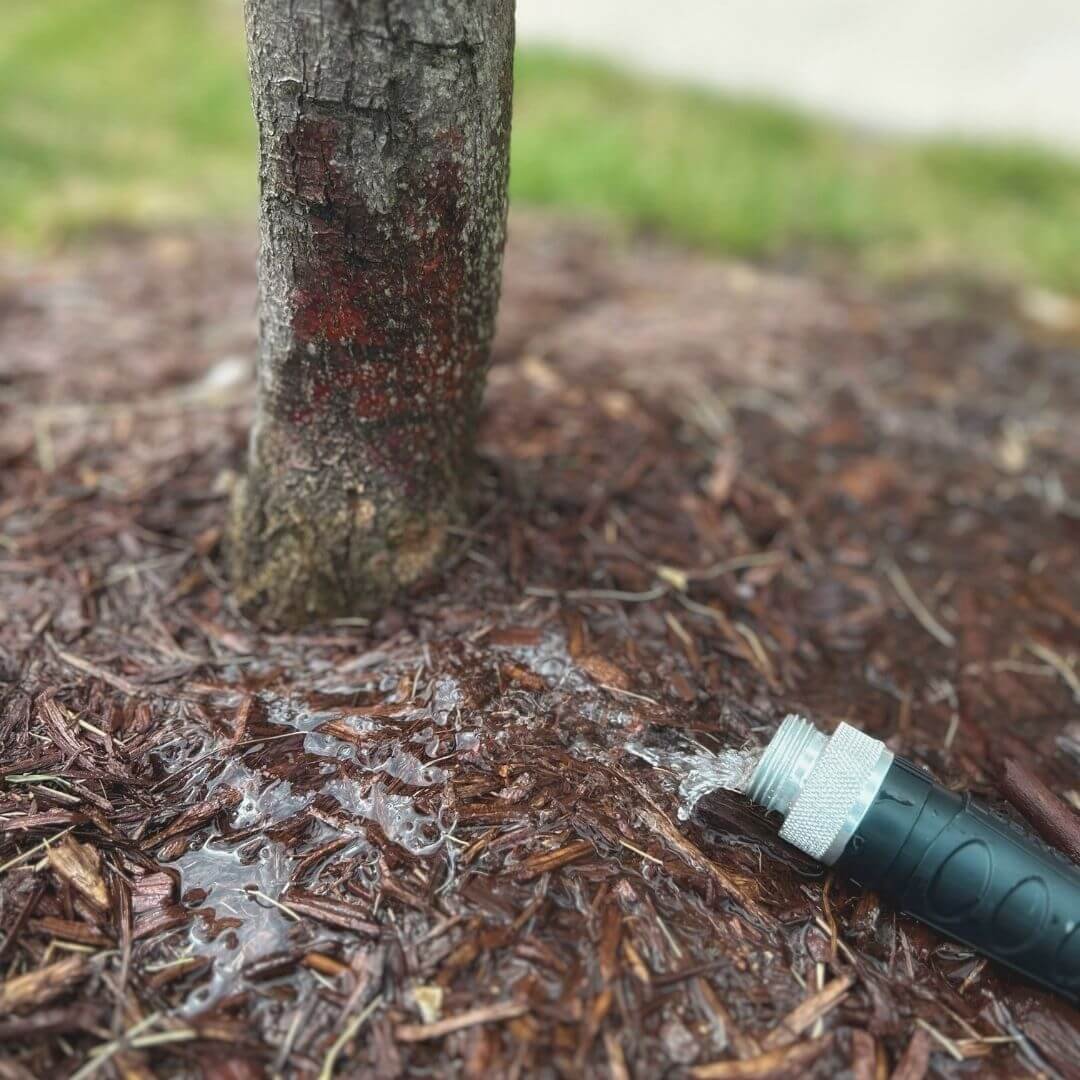
The hose trickle method delivers a slow, deep watering. It’s an ideal watering method for trees and large shrubs. Image © Plant and Bloom Design Studio
Remove the nozzle from your hose, set the water to a slow trickle, and position it at the base of the tree or large shrub for 30–60 minutes. This delivers a deep, slow watering that encourages roots to grow downwards. It’s exactly what you want for establishing strong, drought-resilient plants.
Set a timer on your phone so you don't forget about it. This method is hands-off enough to do while you're doing other yard work, which makes it surprisingly manageable.
Soaker Hoses: The Gateway to a More Relaxed Summer
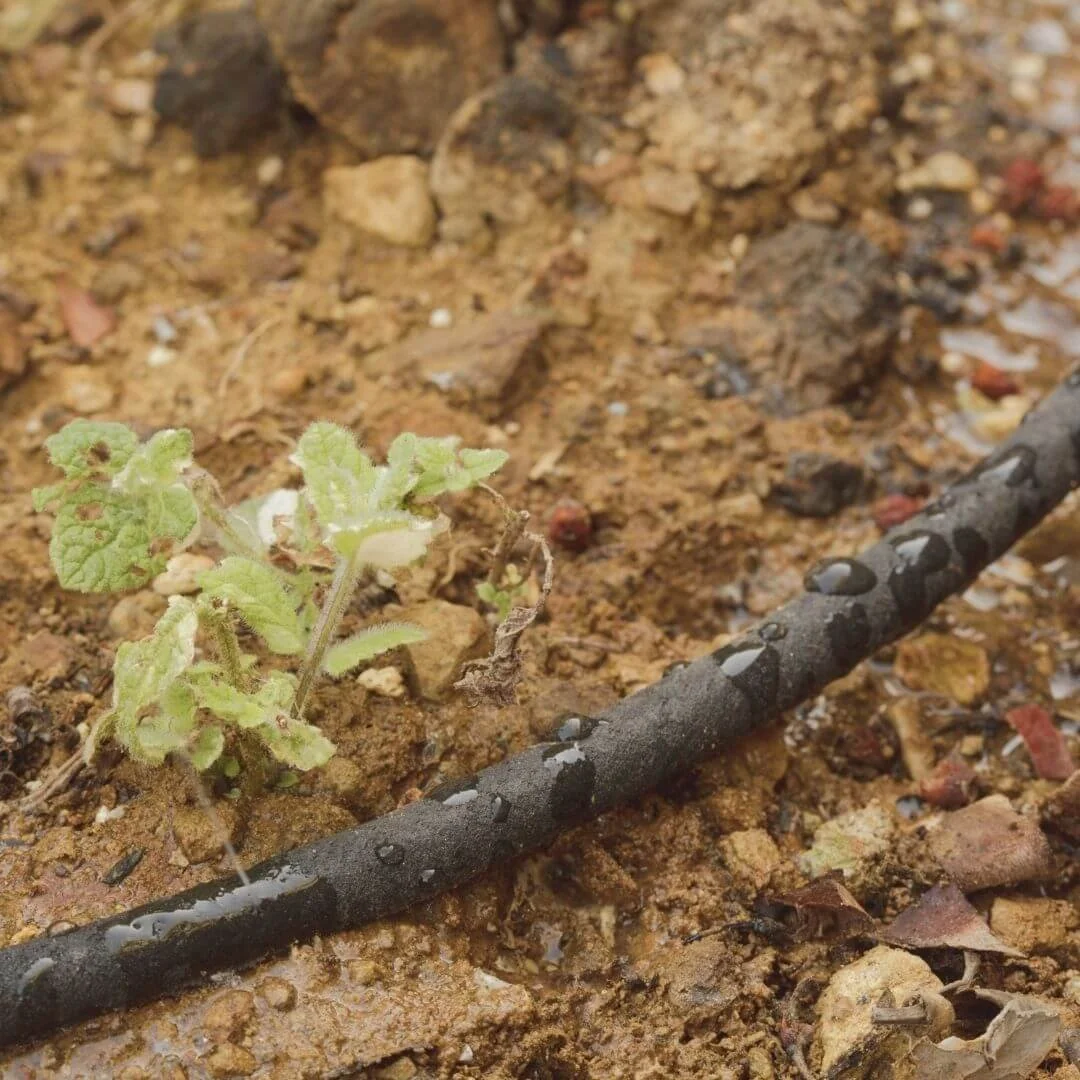
Soaker hoses deliver water slowly and directly to the root zone, with no runoff and no wet foliage. Image credit @PictureLake via Canva.com
If there's one upgrade that will change how you experience summer gardening, it's a soaker hose. These porous hoses lay along the base of your plants and slowly release water directly into the soil, right at the root zone. No runoff, no wet foliage, no standing over your garden with a hose for 45 minutes.
They're easy to set up, relatively inexpensive, and completely customizable. You can snake them around irregular beds, weave them between perennials, and even cover them with mulch to hide them and slow evaporation at the same time.
Round soaker hoses are more flexible and durable than flat ones, making them a better choice for curved garden beds, around trees, and anywhere the layout isn't perfectly straight.
Pair a soaker hose with an inexpensive dual-outlet hose timer, and you've essentially automated your watering. Set it once, and your garden gets watered whether you're home or not.
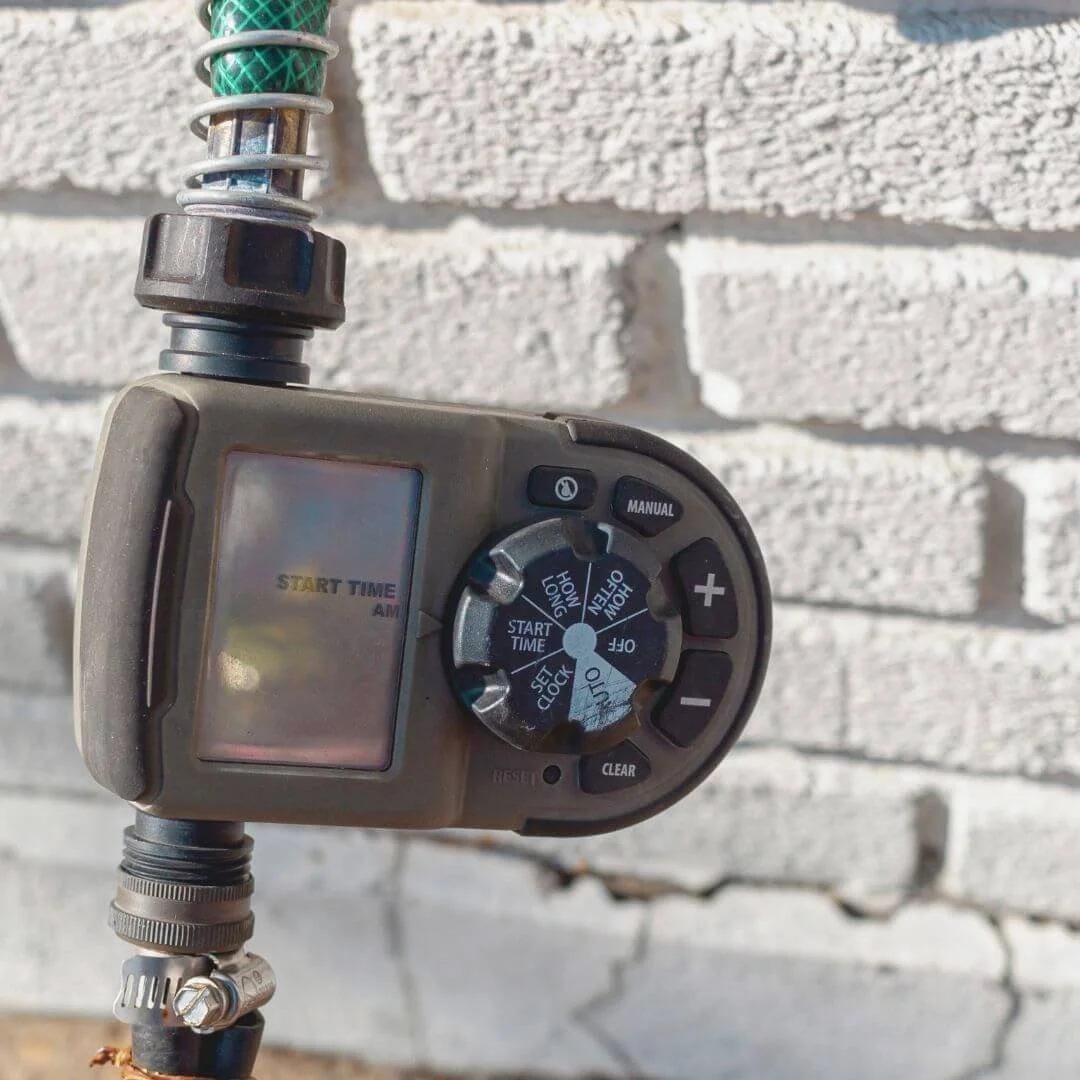
A simple hose timer paired with a soaker hose automates your watering completely. Image credit @grandbrothers’s via Canva.com
Drip Irrigation: The Precision Option
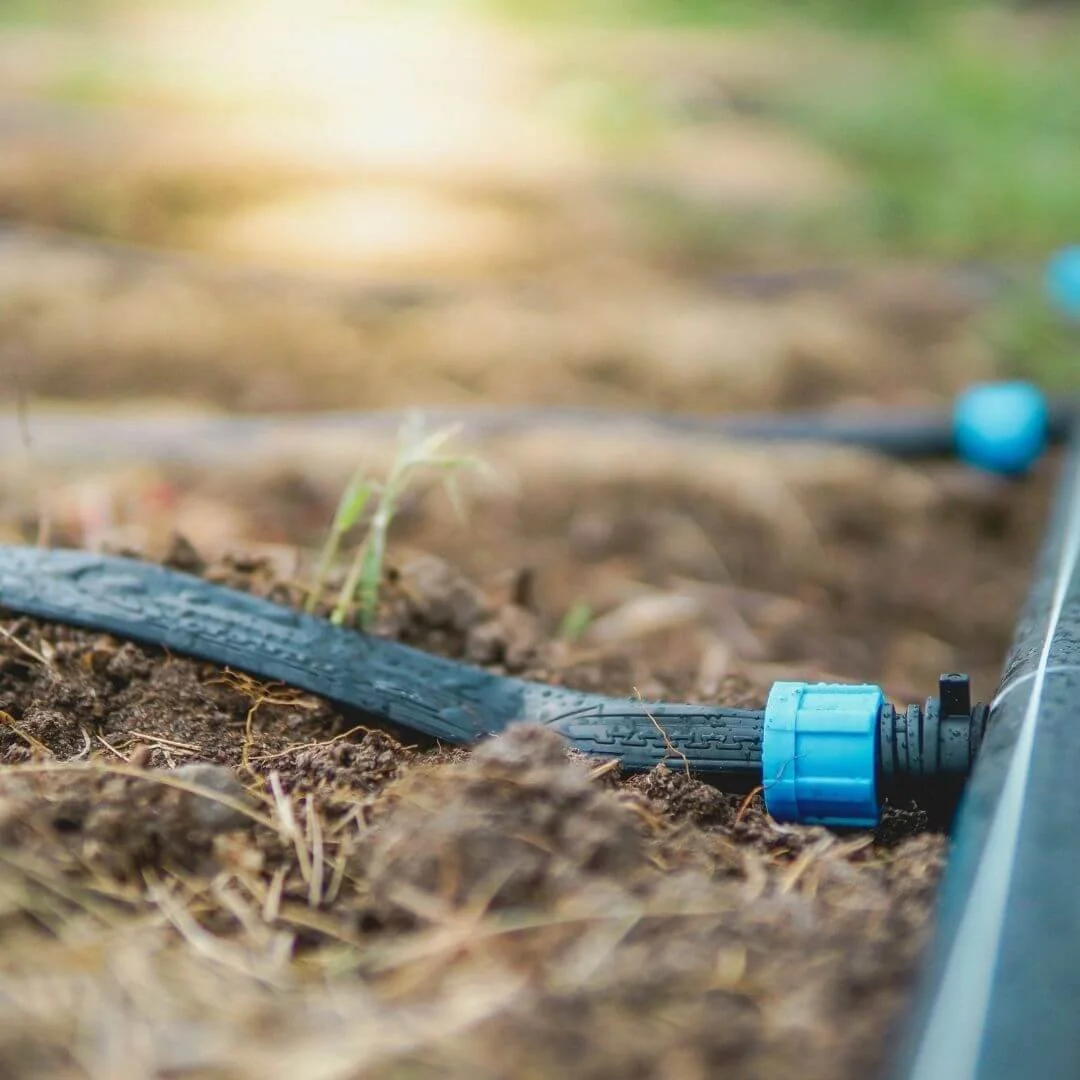
Drip irrigation delivers water precisely to each plant's root zone through a network of tubes and emitters. Image credit @Peppersmint via Canva.com
Drip irrigation takes the soaker hose concept a step further, delivering water through a network of tubes and individual emitters positioned right at the base of each plant. It's more precise, more durable, and more customizable than a soaker hose, but it does require more setup time and a larger upfront investment.
A drip irrigation starter kit is the easiest way to get going, and most include everything you need: tubing, emitters, connectors, and stakes. Like soaker hoses, drip systems pair beautifully with a timer for fully automated watering.
One pro tip: before you bury the tubing under mulch, photograph the layout. You will definitely thank yourself the next time you or a contractor is digging in that area.
Check Your Soil Before You Water
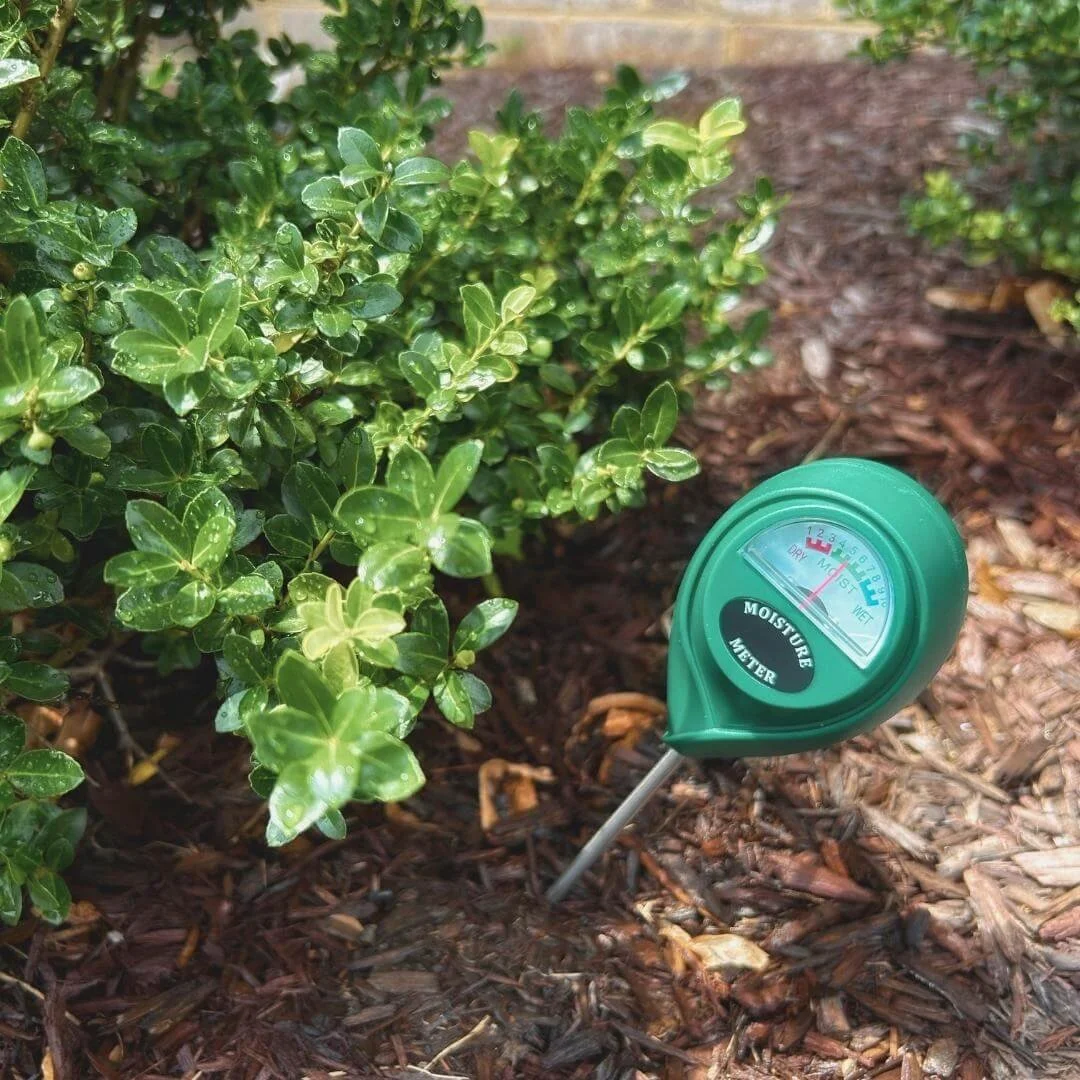
A soil moisture meter takes the guesswork out of knowing when to water. Image © Plant and Bloom Design Studio
One of the most common summer watering mistakes is watering on a schedule rather than watering based on actual soil moisture. Before you turn on the hose, spend 10 seconds checking whether the soil actually needs it.
The finger test: push your finger about 2 inches into the soil. Dry? Time to water. Still moist? Give it another day.
A soil moisture meter takes the guesswork out completely. It reaches deeper into the root zone than your finger can, it's especially useful if you have a lot of new plantings or if you tend to be an anxious waterer, and it keeps your hands clean in the process. Just insert the probe, read the dial, and know exactly where you stand.
How to Tell If Something Is Wrong
Signs your plants are underwatered: Wilting or drooping leaves and stems, dry and crispy leaf edges, dull or muted foliage color, slowed growth.
Signs your plants are overwatered: Yellowing or browning leaves and stems, wilting even though the soil is wet (yes, overwatered plants wilt too), mold on the soil surface, a musty smell, and very slow or stunted growth. Overwatering is just as damaging as underwatering because soggy soil suffocates roots and can lead to root rot.
Signs your plants are happy: Firm, vibrant leaves and stems with even color, active growth, no wilting or drooping. That's the goal.
The Easiest Way to Survive Summer Watering
Every gardener's situation is different. Someone with a small patio garden and a few containers might enjoy the daily ritual of hand watering and checking in on their plants. Someone with a large property and dozens of beds needs a different approach entirely.
The right watering setup depends on your garden size, your schedule, and how much time you realistically want to spend. If lugging a hose around every morning is starting to feel like a burden, a soaker hose and a simple timer can take most of that work off your plate. If you love your morning watering routine, keep it. The best system is the one that works for your life.
However you approach it, summer gardening should feel like a pleasure, not a chore you're always behind on.
Summer Watering FAQ
How often should I water my garden in summer? Most established garden plants need about 1 inch of water per week, which may increase to 1.5–2 inches during heat waves. Newly planted trees, shrubs, and perennials need more frequent watering, often every 1–3 days during their first summer.
What is the best time of day to water plants in summer? Early morning, before 10am, is ideal. It reduces evaporation and allows foliage to dry before evening, reducing the risk of fungal disease. That said, watering at any time of day is better than not watering at all.
Can I use a soaker hose for all my garden beds? Yes, soaker hoses work well for most garden beds, vegetable gardens, and foundation plantings. Round soaker hoses are more flexible and better suited for curved beds. For individual trees and large shrubs, the hose trickle method or drip irrigation with individual emitters may be more effective.
Should I water every day in summer? Most established plants don't need daily watering. Deep, less frequent watering is better than shallow daily sprinkles. The exception is containers, which can dry out quickly in summer heat and may need daily water. Always check soil moisture before watering.
Is a drip irrigation system worth it? For gardeners who want precision and the most hands-off watering experience, yes. Drip irrigation delivers water directly to each plant's root zone with minimal waste. It requires more setup than a soaker hose but is more durable and precise. A starter kit is a good entry point.
Further Reading
Looking for more summer watering tips? These articles have you covered: