
Your entryway is the first thing visitors see when they step inside, so why not make it beautiful with a houseplant?
Whether you're welcoming guests or coming home after a long day, a little greenery can make the space feel more inviting.
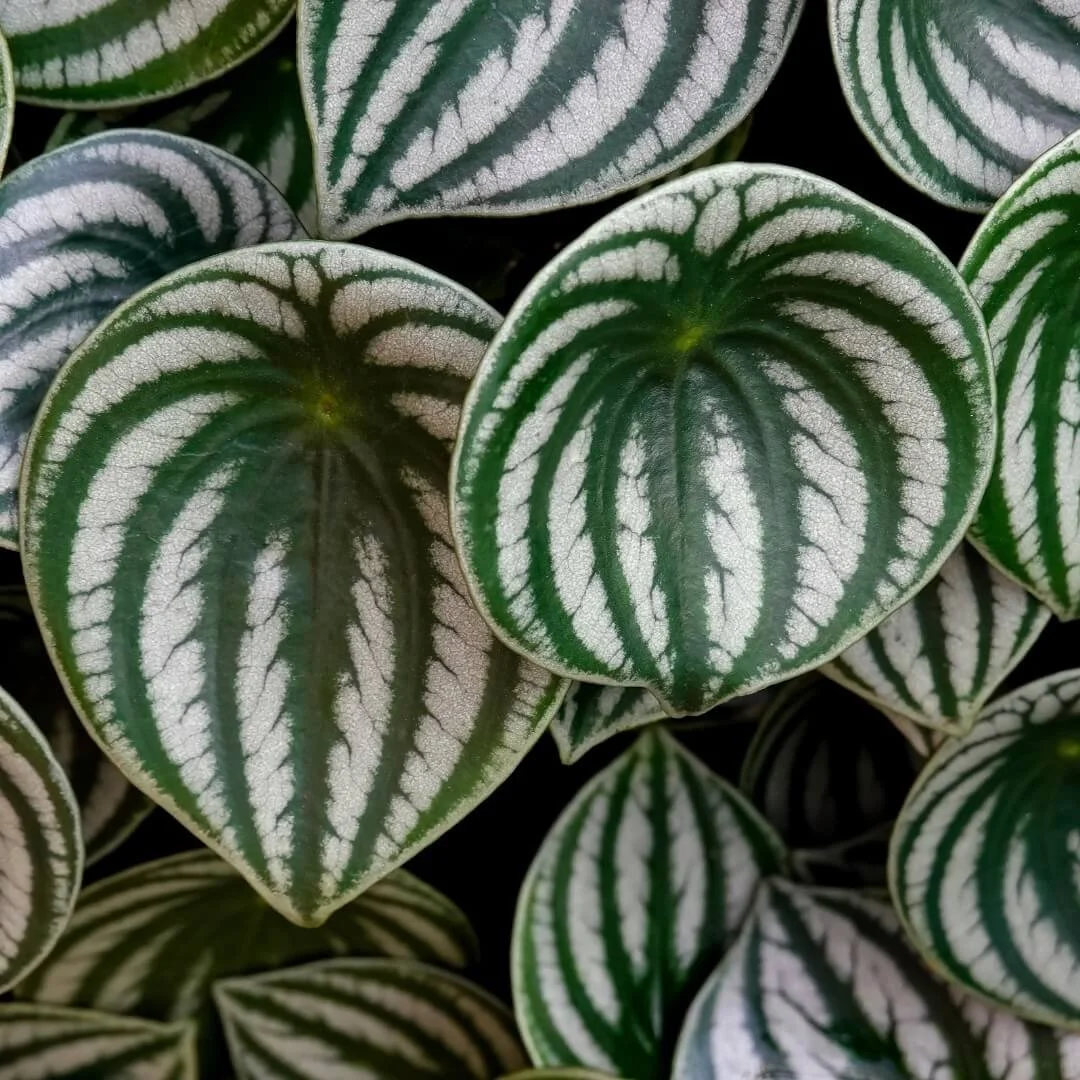
After a long day, who wouldn't want to come home to this? Watermelon peperomia (Peperomia argyreia) is #4 on my list of best houseplants for an entryway. Photo © Sasithorn Phuapankasemsuk via Canva.com
But not all entryways are created equal. Some are spacious and rarely used, while others are narrow, busy drop zones for shoes, backpacks, keys, and everything else that comes through the door.
Drawing on my years of experience styling plants, I've chosen five houseplants for an entryway, including bold statement plants for spacious foyers, compact choices for entryway tables, and flowering plants that add a cheerful splash of color.
This article may contain affiliate links. If you make a purchase through one of these links, I may earn a commission at no additional cost to you.
1. Japanese Aralia
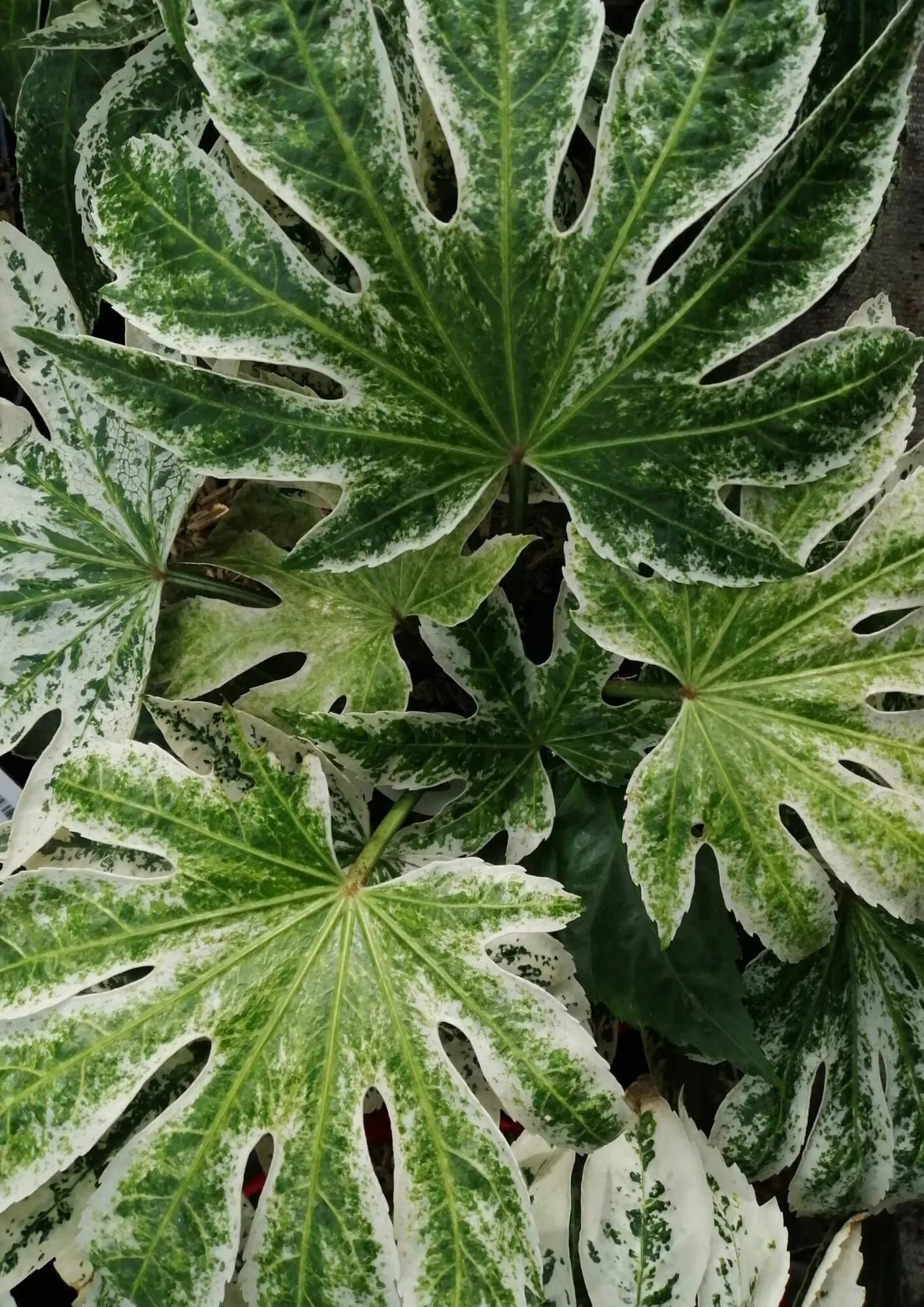
Imagine greeting your visitors with this lush beauty! Japanese aralia 'Spider's Web' has gorgeous variegated foliage that makes a fabulous first impression. Photo © Noyo creatif via Cansplash/Canva.com
Botanical name: Fatsia japonica
Light: Bright indirect light; tolerates lower light levels
Water: Water when the top inch of soil feels dry
If you have a spacious entryway and want a plant that makes a statement, Japanese aralia is a beautiful choice. Its large, glossy leaves have a distinctive, deeply lobed shape that creates an instant focal point. This lush, sculptural plant makes a statement!
I chose Japanese aralia for this list because it prefers cooler temperatures and tolerates low light levels, both common conditions in entryways. But low light doesn't mean no light, so if your entryway is dark, consider adding a stylish grow light.
Keep in mind that the gorgeous leaves can spread quite wide, so this isn't the best choice for a narrow hallway or a busy entryway where people are constantly brushing past.
Designer's Notes
I like using Japanese aralia in a corner near the front door or at the foot of a staircase, where its dramatic foliage has room to spread.
Choose a simple ceramic pot or woven basket and let the leaves be the star of the show. Its bold foliage adds plenty of visual interest without needing much else around it.
2. ZZ Plant
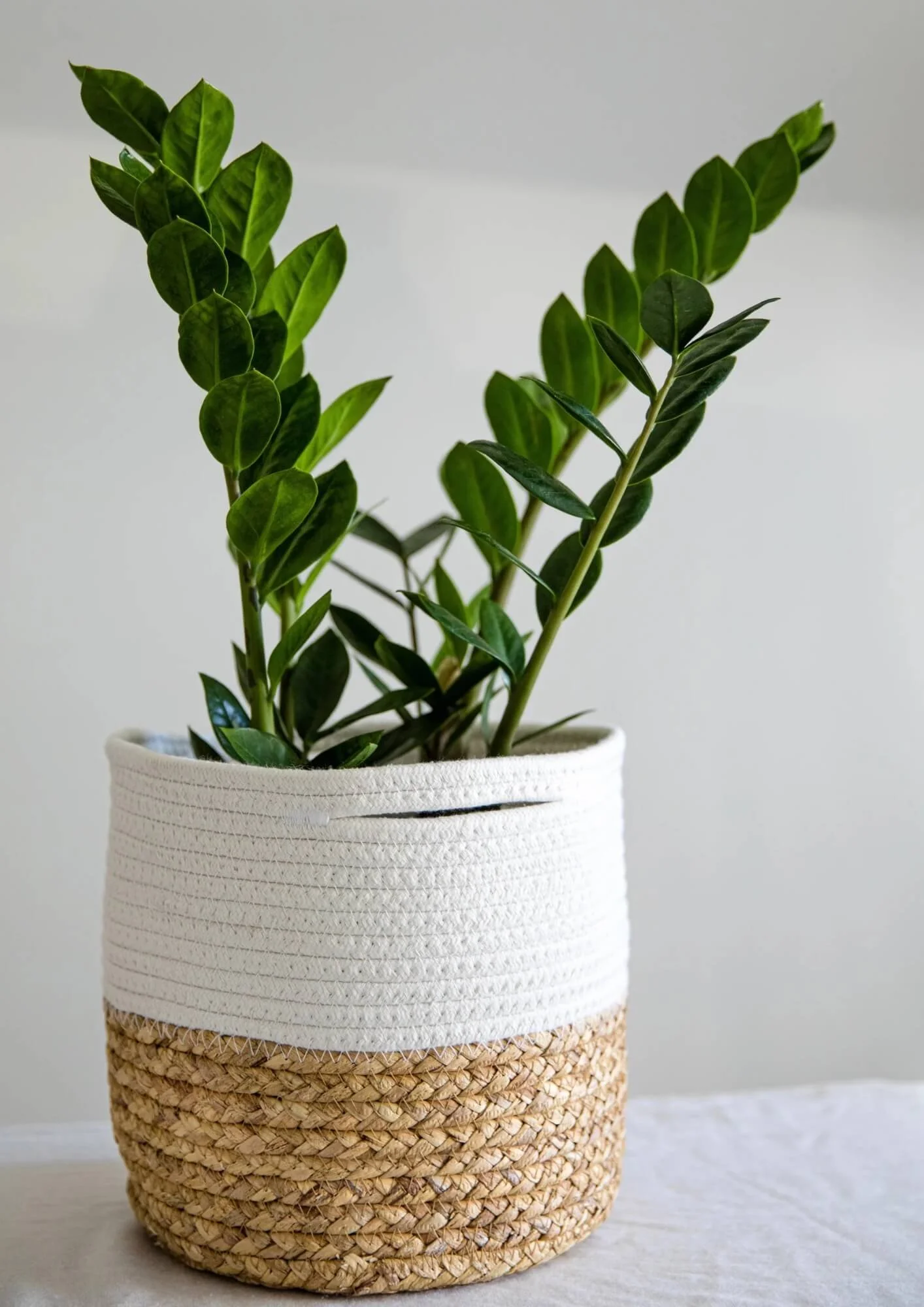
A ZZ plant is a tidy, upright choice for an entryway. Here, a simple rope basket contrasts beautifully with the shape and glossy texture of its leaves. Photo © Horica Wu via Canva.com
Botanical name: Zamioculcas zamiifolia
Light: Low to bright indirect light
Water: Allow soil to dry completely between waterings
If your entryway is narrow or space is limited, the ZZ plant is an excellent choice. With its glossy green leaves and upright growth habit, it brings a polished look without taking up much space.
ZZ plants are slow-growing, tidy, and wonderfully low-maintenance. They tolerate low light and occasional missed waterings, making them a great choice for beginners or busy households. Just keep them away from direct blasts of cold air when the front door opens.
You can use a smaller ZZ plant on an entry table or place a larger one on the floor in a basket or large pot. For something a little different, look for 'Raven', a striking variety with glossy, nearly black foliage.
Designer's Notes
I love pairing the glossy foliage of ZZ plants with natural materials and textures like sisal rugs.
Add a simple terracotta pot, and you've got an easy, welcoming combination that works with almost any decorating style.
ZZ plant + terracotta pot + sisal rug. Done!
3. Cyclamen
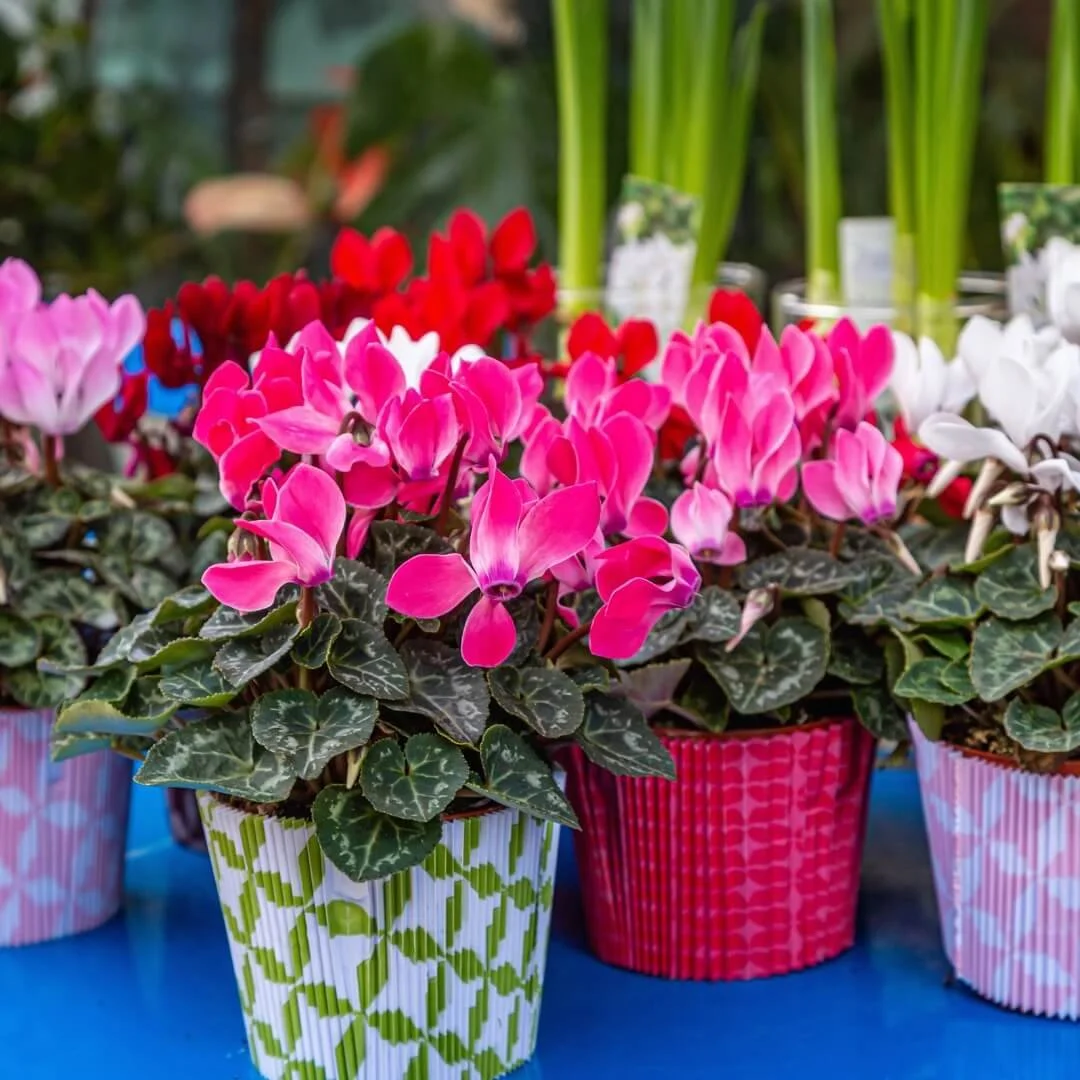
Colorful cyclamen in playful patterned wrappers make a cheerful, welcoming display. Image © Lemanieh via Canva.com
Botanical name: Cyclamen persicum
Light: Bright, indirect light
Water: Water when the soil surface feels dry; avoid wetting the crown
It's hard not to smile when you see a cyclamen in bloom! With cheerful flowers in shades of pink, red, purple, and white rising above patterned foliage, cyclamen bring a bright, welcoming vibe to the entryway.
I chose cyclamen for this list because they prefer cooler temperatures and tolerate occasional chilly drafts. That makes them particularly well suited to entryways where the front door is frequently opened and closed, or older homes with less-than-perfect insulation around the entrance.
With the right conditions, they bloom for months on end. Their beautifully patterned foliage is attractive even when they're not flowering, and with proper care, you can enjoy their colorful blooms year after year.
Designer's Notes
For a small entryway, I love the idea of pairing a colorful cyclamen with a narrow entryway table. You'll have a cheerful spot to drop your keys and a splash of color to welcome you home!
Cyclamen are extremely versatile when it comes to styling. They look beautiful in anything from an aged terracotta pot or rustic metal planter to a Grandmacore-style vintage porcelain container.
4. Peperomia
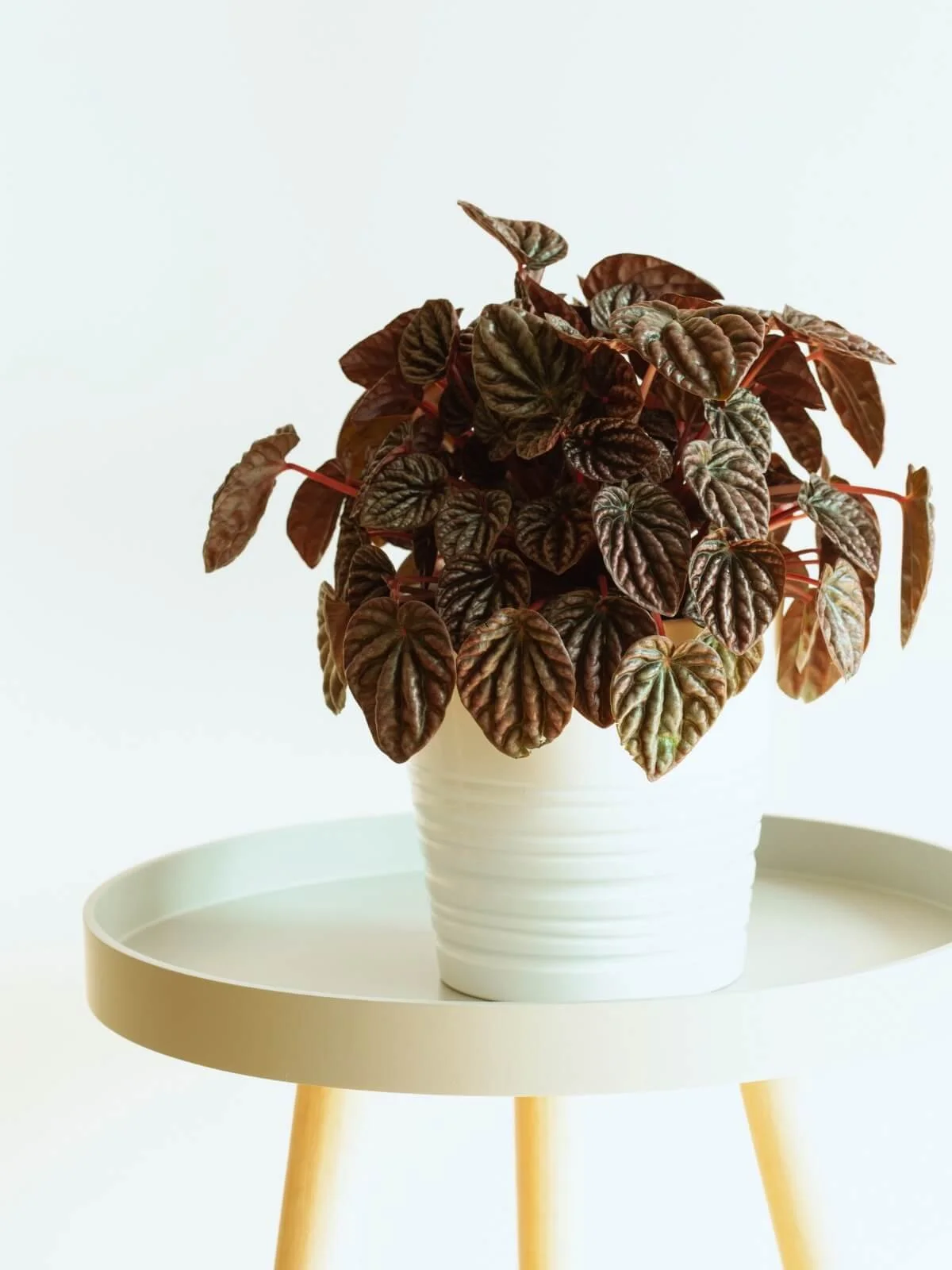
Ripple peperomia brings beautiful texture to the mix. Photo © olgamiltsova via Canva.com
Botanical name: Peperomia species
Light: Bright, indirect light
Water: Allow the top inch or two of soil to dry between waterings
If your entryway table is a busy drop zone for keys, packages, and backpacks, peperomias are a great way to add greenery without taking over the space.
These compact, slow-growing houseplants come in a gorgeous variety of leaf shapes, colors, and textures, so there's something for every decorating style.
I especially like baby rubber plant (Peperomia obtusifolia), with its thick, glossy leaves and tidy growth habit. For something more colorful, try watermelon peperomia (Peperomia argyreia) with its fun striped leaves, or choose a ripple peperomia (Peperomia caperata) for its crinkly, textured foliage. All three make charming tabletop plants without taking up too much space.
Designer's Notes
Instead of using just one peperomia, try grouping several varieties together on a decorative tray. Mix two- and four-inch pots with different leaf colors and textures for a vibrant little collection that feels intentionally curated.
5. Succulent Dish Garden
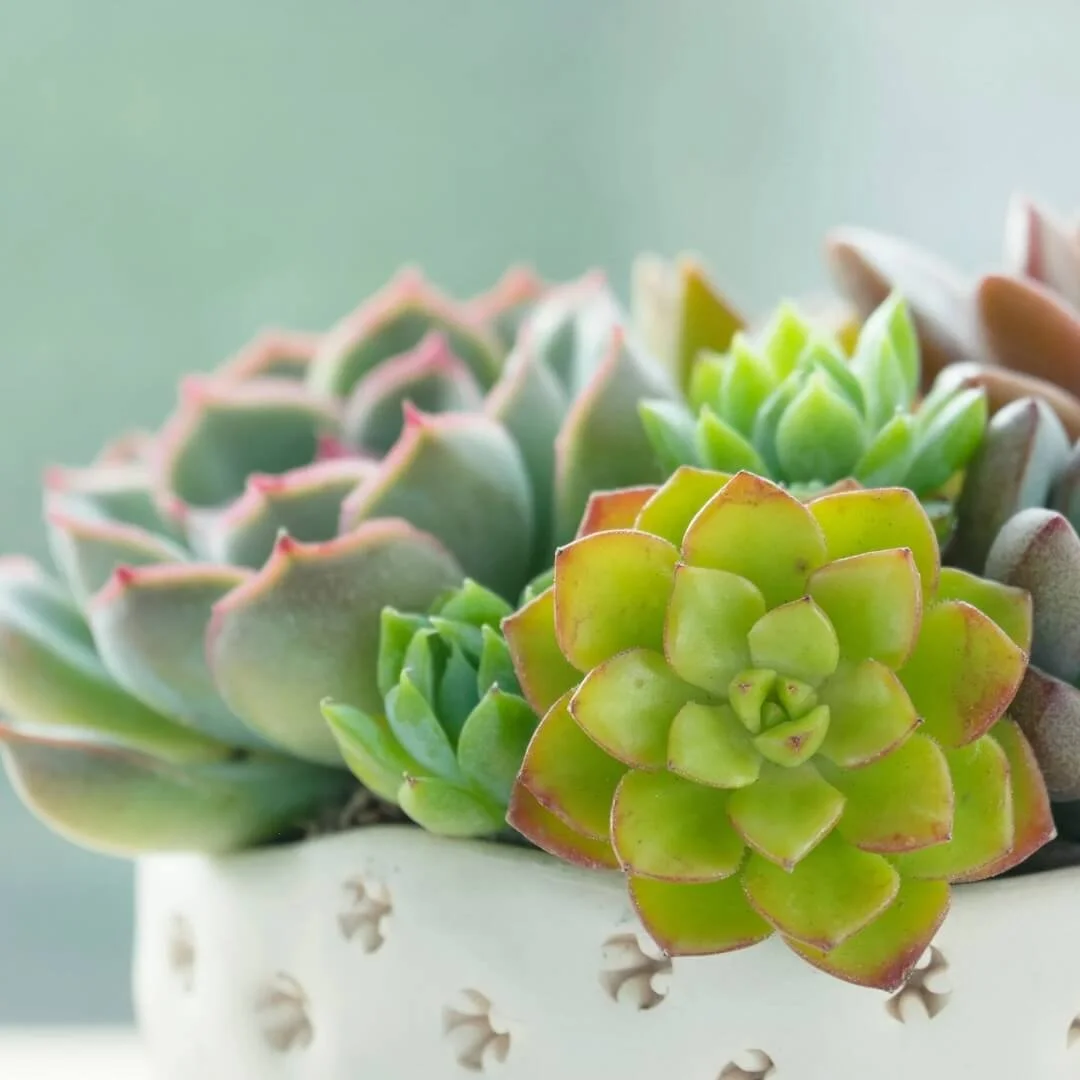
Greet your visitors with a beautiful mix of succulents in different colors and sizes. Photo © panattar via Canva.com
Botanical names: Echeveria, Crassula, Sempervivum, and Graptopetalum, among others.
Light: Bright light, with some direct sun
Water: Allow the soil to dry completely between waterings
If you love getting creative with plants, a succulent dish garden is a fun way to add something unique to your entryway. And with so many beautiful succulents to choose from, the possibilities are endless!
I love mixing rosette-shaped succulents in different sizes and colors to create a miniature garden. Look for variety packs with beautiful shades of blue-green, purple, pink, and silver. And if DIY isn't your thing, you can always buy a ready-planted succulent arrangement!
The catch? Most succulents need plenty of light to stay compact and colorful. If your entryway doesn't get enough natural sunlight, a chic grow light does the trick.
Designer's Notes
Succulent dish gardens work with almost any decorating style. I love using sleek rectangular planters for a modern look, classic terracotta for something more rustic, or colorful ceramic pots for a playful touch.
For a finishing touch, try topping your arrangement with jade pebbles, decorative moss, or a piece of grapewood for added texture and interest.
Houseplants to Avoid in an Entryway
Some houseplants just aren't suited for an entryway. I can't believe I'm saying that, since my usual philosophy is the more plants, the better! 😉
But here are a few I'd steer clear of:
Weeping fig (Ficus benjamina): These beautiful trees are notoriously sensitive to changes in their environment and drop their leaves when exposed to cold drafts, like those from a door opening and closing.
Cacti (Cactaceae family): Sharp spines could be a problem in a busy entryway where children, pets, and visitors are coming and going. You don’t want cactus bite to become a regular phenomenon!
Crown of thorns (Euphorbia milii): Just like cacti, its thorny stems make it a poor choice for narrow entryways or busy households.
African mask plant (Alocasia amazonica): Its large leaves, which hang from long, slender stems, are easily damaged when people brush past them in a narrow entryway.
Maidenhair fern (Adiantum): Gorgeous, but its need for consistent moisture and humidity makes it a challenging choice for an entryway. It's better suited to a humid space like a bathroom.
Burro's tail (Sedum morganianum): Its trailing stems are covered in plump, fleshy leaves that fall off easily when bumped or brushed against. Not a great choice for a busy entryway!
String of pearls (Curio rowleyanus): Just like burro's tail, this trailing succulent has delicate leaves that drop off when bumped or brushed against.