
Hummingbird Garden: 18 Best Plants to Attract Hummingbirds
Published: August 10, 2026
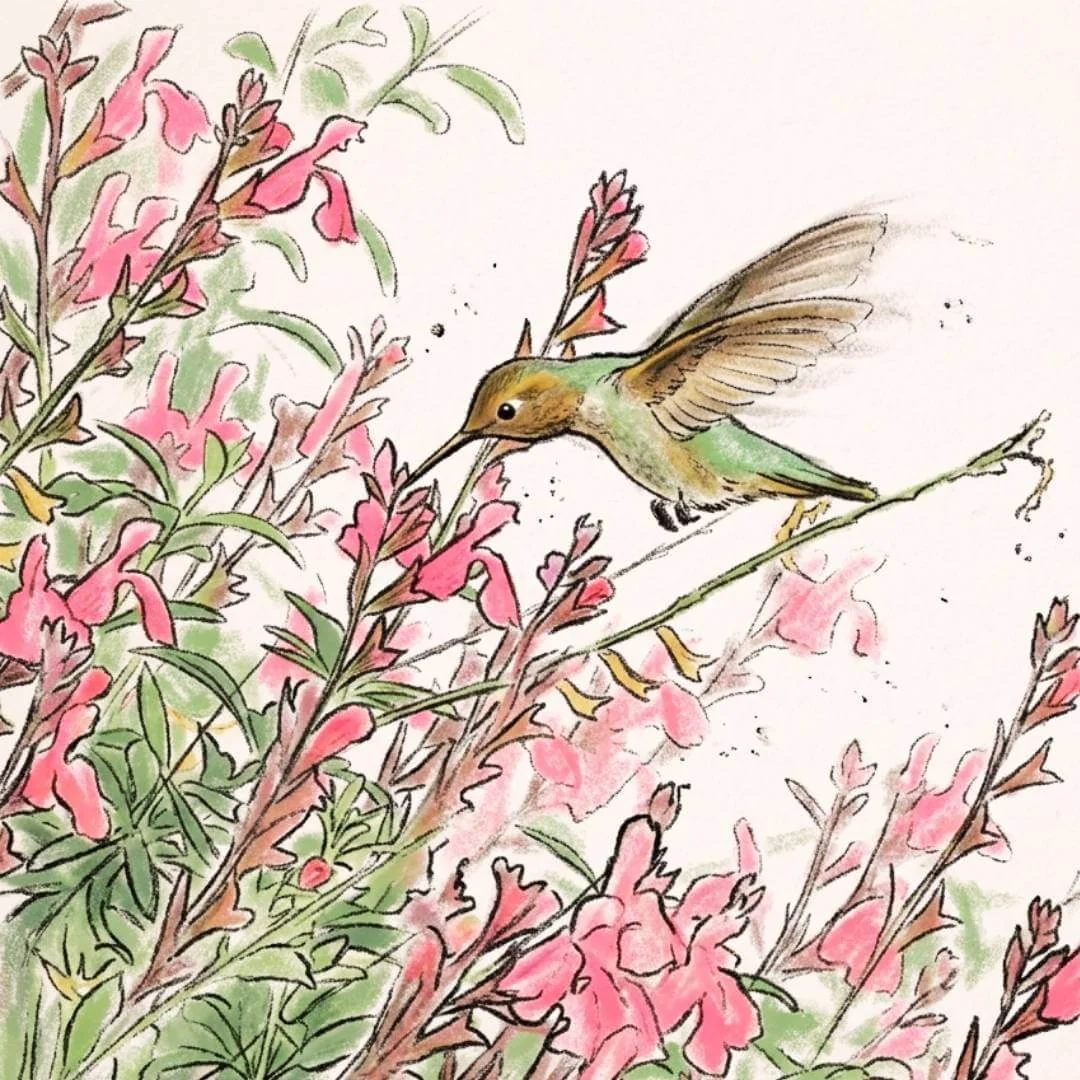
Landscape concept illustration created by Plant and Bloom Design Studio
One of my favorite things about hummingbirds is that they always seem to appear when you least expect them. The inspiration for this hummingbird garden article came while I was running errands in a typical suburban shopping center. As I walked across a hot parking lot, a tiny hummingbird caught my eye. It was checking out a patch of New York ironweed growing in a dry planting strip before zipping away just as quickly as it had arrived.
It reminded me that hummingbirds are already all around us. We just don't always notice them because they're constantly on the move. The trick isn't attracting hummingbirds to your neighborhood. They're probably already there. A thoughtfully designed hummingbird garden simply catches their attention and gives them a reason to stay a little longer.
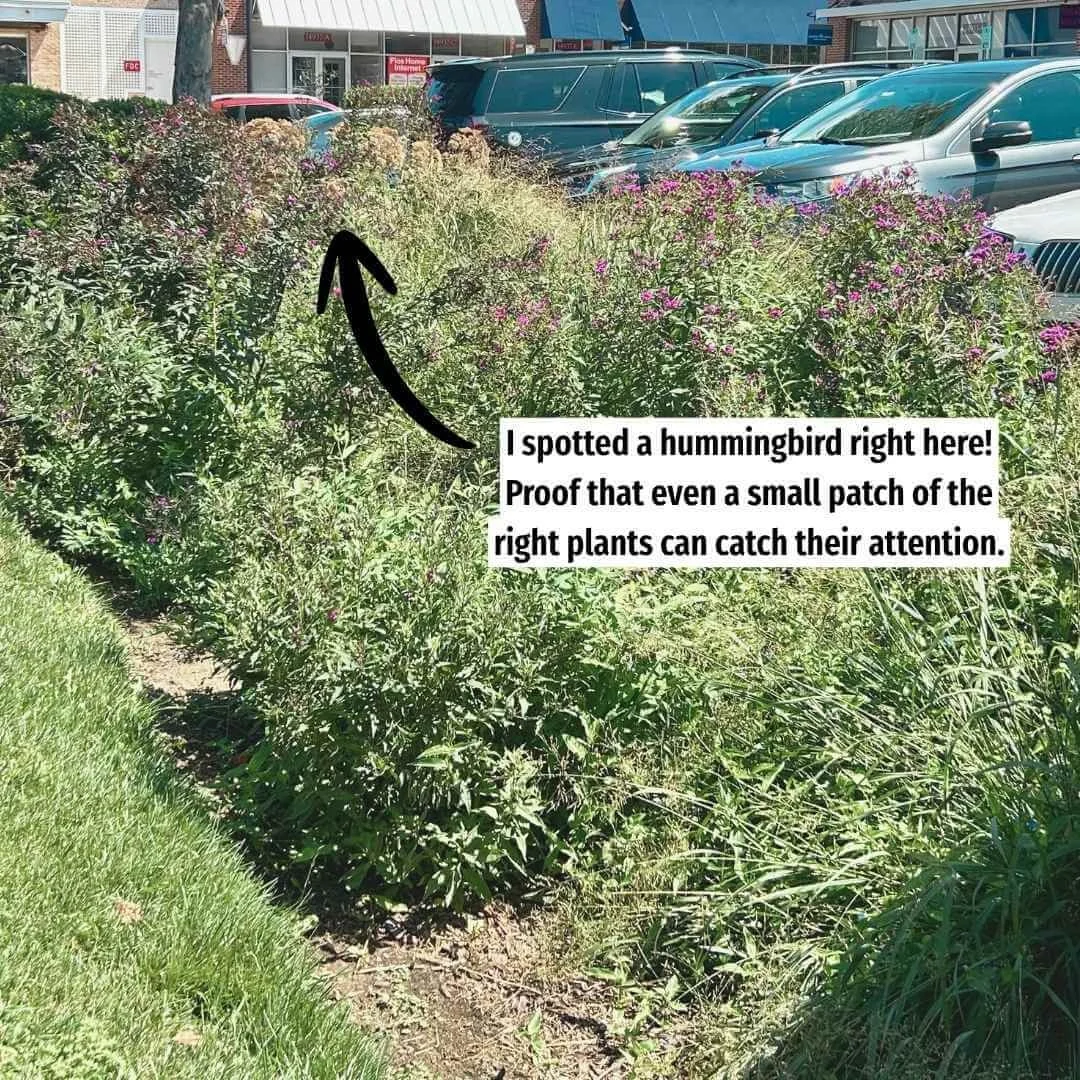
This is the parking lot planting where I spotted the hummingbird that inspired this article about plants to attract hummingbirds. It flew away before I could get a picture of it, but the moment stuck with me. Image © Plant and Bloom Design Studio
Below you'll find 18 of my favorite plants to attract hummingbirds, including trees, shrubs, perennials, annuals, and vines, along with simple growing information and practical landscape design tips. I'll also share a few simple design ideas to help you arrange your hummingbird garden so these fascinating little visitors linger a little longer, giving you a better chance to enjoy watching them.
A quick note about the photos: The hummingbird plant photos in this article are real images, either taken by me or carefully sourced from reputable growers, breeders, and stock photography collections, so you can see what these plants really look like before deciding if they’re right for your garden.
How to Create a Hummingbird-Friendly Garden Space
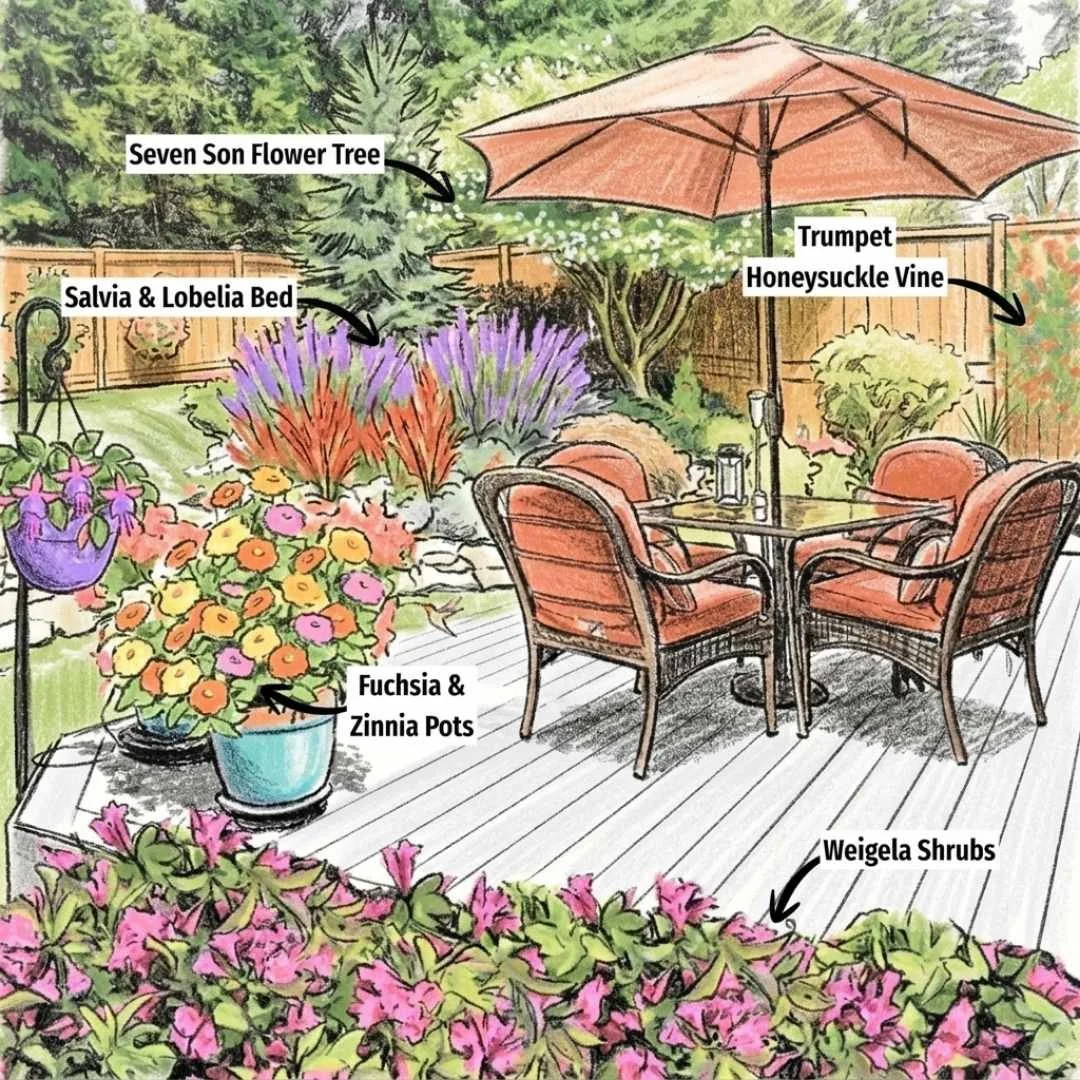
Landscape concept illustration of a layered hummingbird garden, created by Plant and Bloom Design Studio
You don't need a huge garden to attract hummingbirds. A few thoughtful design choices will make your yard easier for them to spot, and encourage them to stay a little longer.
Choose nectar-rich plants. The flowers on this list are all excellent nectar sources for hummingbirds. Orange and red flowers are classic favorites, but they'll happily visit pink, purple, yellow, and even blue flowers too.
Plant in generous groups. Instead of planting one of everything, group perennials and small shrubs in drifts of three, five, or more. Larger splashes of color are easier for hummingbirds to spot as they fly overhead.
Create layers. Combine trees, shrubs, vines, perennials, and annuals to provide nectar at different heights. Layered plantings encourage hummingbirds to linger as they move through the garden.
Plant where you'll see them. Hummingbirds can disappear in an instant. Place nectar-rich plants near a favorite window, patio, porch, or outdoor seating area to increase your chances of seeing them.
Plan for a long bloom season. Choose plants that flower throughout the months hummingbirds visit your area. In my Mid-Atlantic garden designs, I aim for continuous blooms from April through September.
Skip pesticides. Hummingbirds eat tiny insects as well as nectar. Avoiding insecticides helps protect an important food source and reduces the chance of exposing these tiny birds to harmful chemicals.
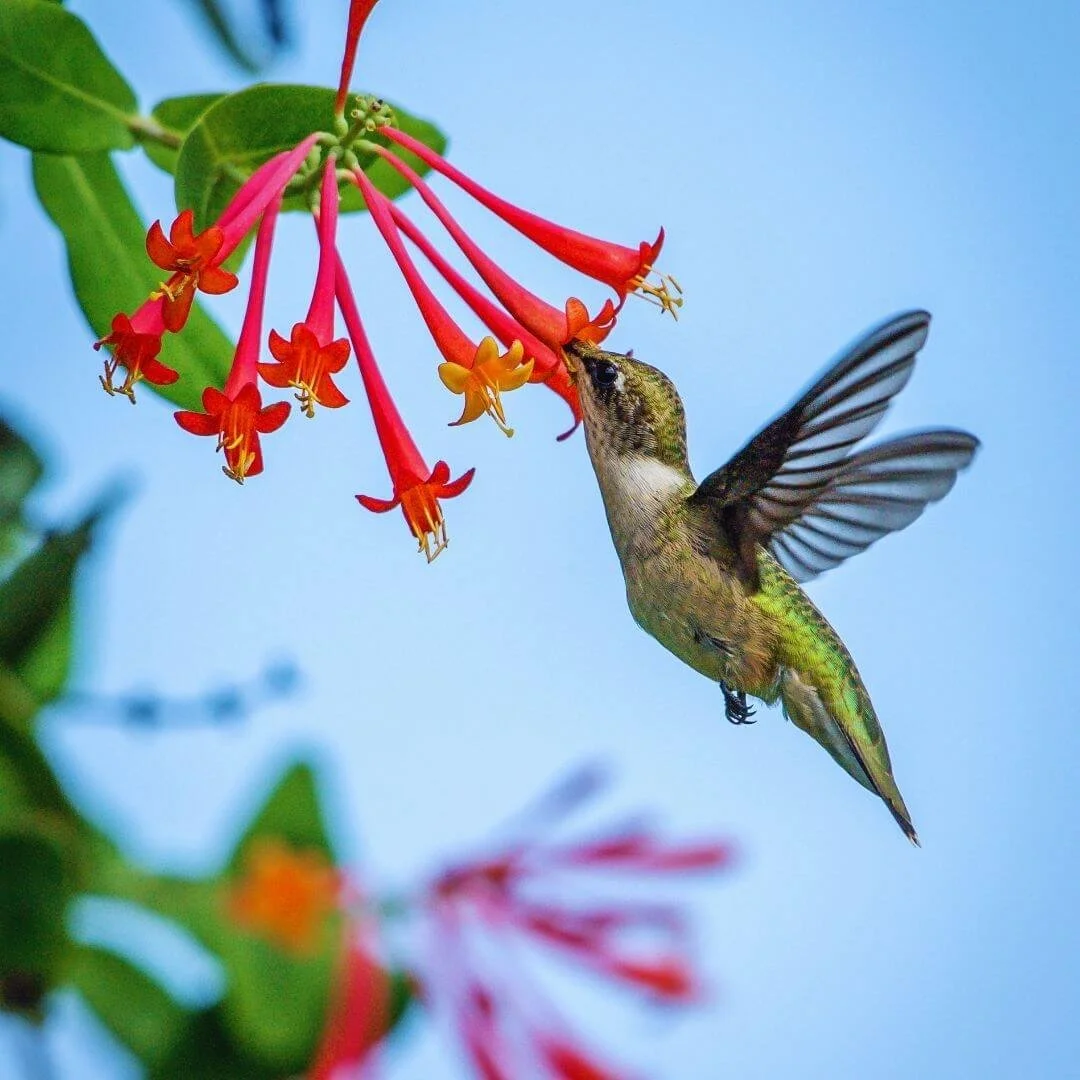
These trumpet honeysuckle (Lonicera sempervirens) flowers made my list of plants that hummingbirds like, but trumpet vine (Campsis radicans) did not. Image credit @William Krumpelman via Canva.com
Before we get started, there’s one plant that didn't make my list. I’m looking at you, trumpet vine.
You'll find trumpet vine (Campsis radicans) on almost every hummingbird plant list, and yes, hummingbirds absolutely love it. Unfortunately, so did every square inch of my yard.
Back when I was a brand new gardener, I planted one next to my shed. Before long it had practically swallowed the shed. I cut it back, blinked a few times, and it was covered again. If you have plenty of room and don't mind keeping it in check, go for it. Just consider yourself forewarned. 😉
The Best Plants to Attract Hummingbirds to a Garden
Anise Sage
Salvia guaranitica
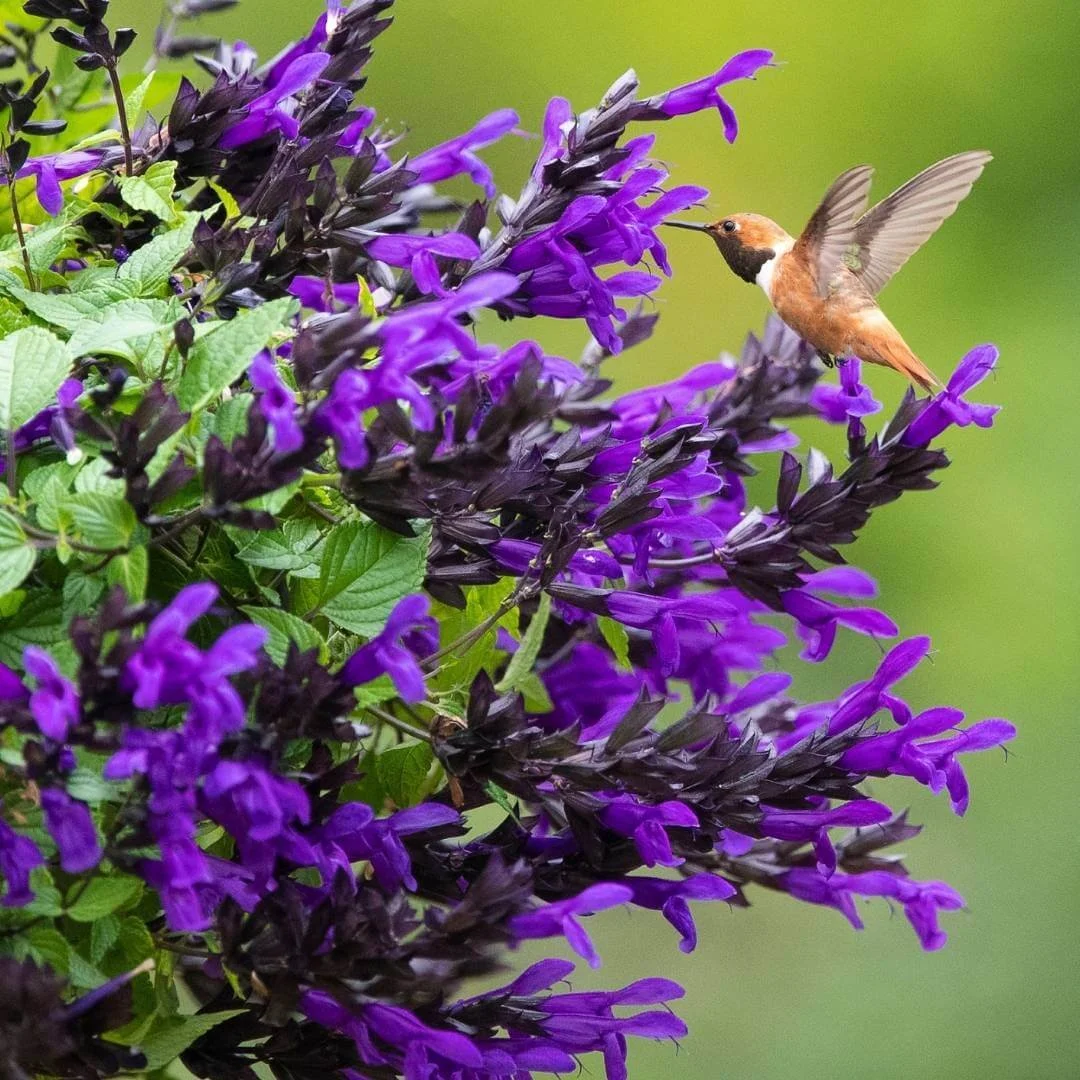
Bodacious™ Hummingbird Falls anise sage is a compact choice for hummingbird gardens that's especially well suited to containers. Image courtesy of Ball Horticultural Company
Type: Perennial
Zones: 8-10; grown as an annual north of Zone 8
Light: Full Sun
Bloom Time: Mid-summer until frost
Why I Love It: Anise sage produces nectar-rich blue or purple flowers over a long season, making it a reliable hummingbird favorite. Look for cultivars like ‘Black & Blue’ or container-friendly Bodacious ‘Hummingbird Falls’ for even more hummingbird garden options.
2. Spigelia (Pinkroot)
Spigelia marilandica
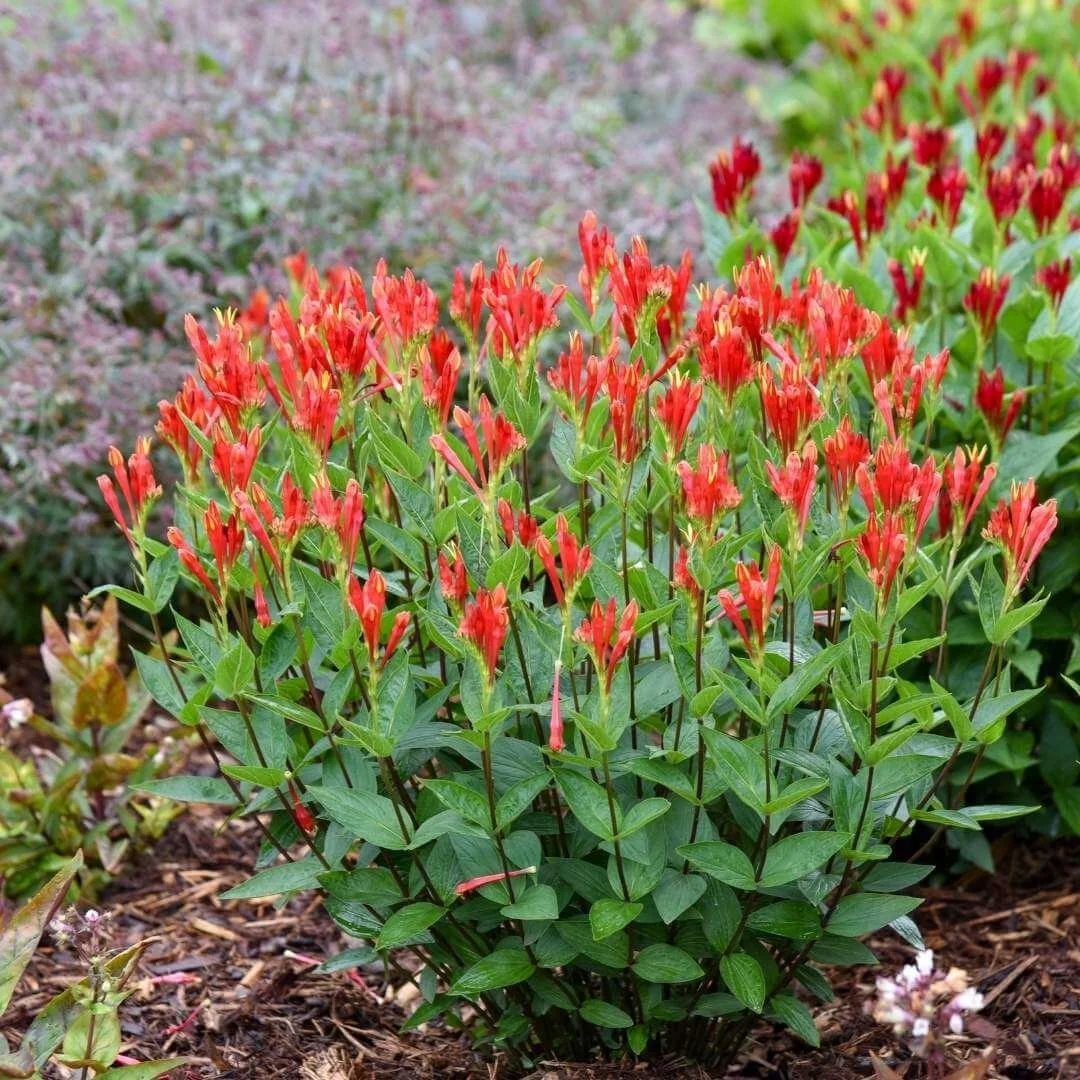
‘Orange Slices’ Spigelia has warm orange and yellow blooms that hummingbirds love. Image courtesy of Proven Winners, provenwinners.com
Type: Perennial
Zones: 5-9
Light: Full sun to part shade
Bloom Time: Late spring to midsummer
Why I Love It: This underused native deserves more attention for its unusual red flowers with star-shaped yellow centers. Newer cultivars such as ‘Orange Slices’ and ‘Apple Slices’ offer even more color choices for the hummingbird garden.
3. Ironweed
Vernonia species and cultivars
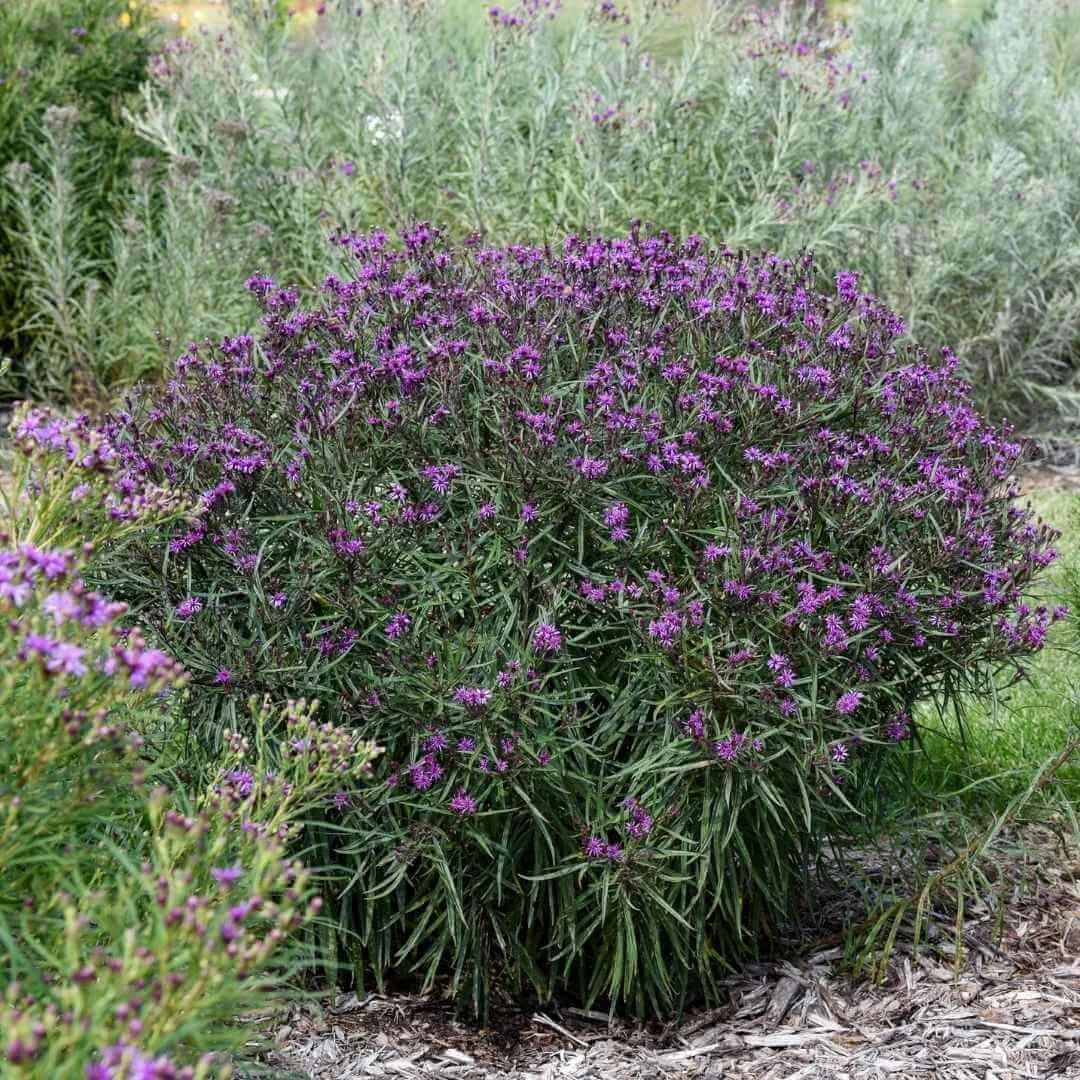
‘Prairie Princess’ ironweed offers a more compact alternative to the taller native species. Image courtesy of Walters Gardens, Inc.
Type: Perennial
Zones: 4-9
Light: Full sun
Bloom Time: Late summer to early fall
Why I Love It: A patch of ironweed visited by a hummingbird actually inspired this article. Native New York ironweed (Vernonia noveboracensis) is a tall, substantial perennial, while cultivars such as ‘Prairie Princess’ offer a more compact option for home gardens.
4. Columbine
Aquilegia
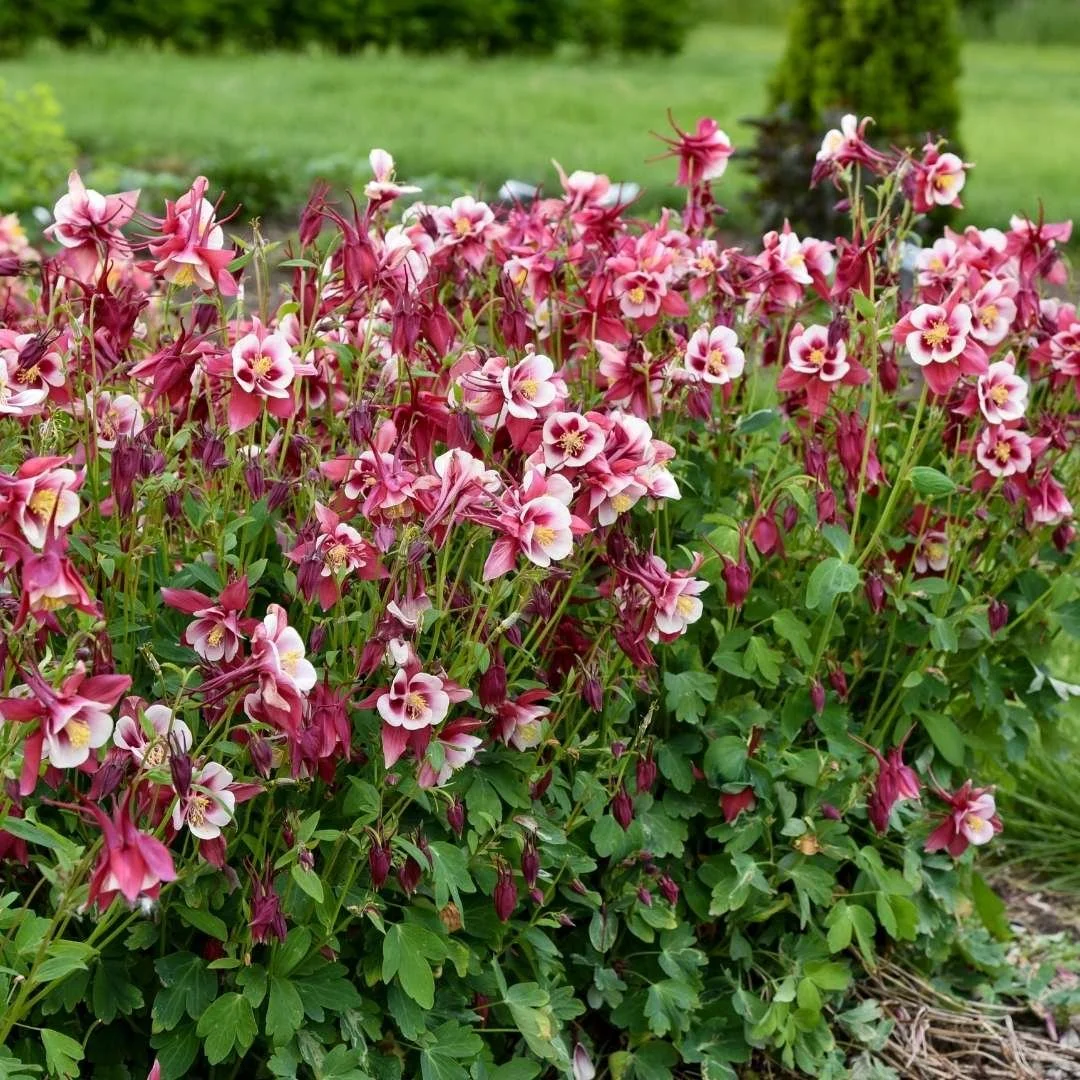
Early Bird™ Red White columbine has cheerful red and white spring flowers that provide an early nectar source for hummingbirds. Image courtesy of Walters Gardens, Inc
Type: Perennial
Zones: 3-9, depending on variety
Light: Part shade
Bloom Time: Spring to early summer
Why I Love It: Columbines bloom in spring, just as migrating hummingbirds are returning north and looking for nectar. Choose from native species suited to your region or colorful garden cultivars to bring a spring nectar source to your hummingbird garden.
5. Cardinal Flower
Lobelia cardinalis and Lobelia × speciosa hybrids
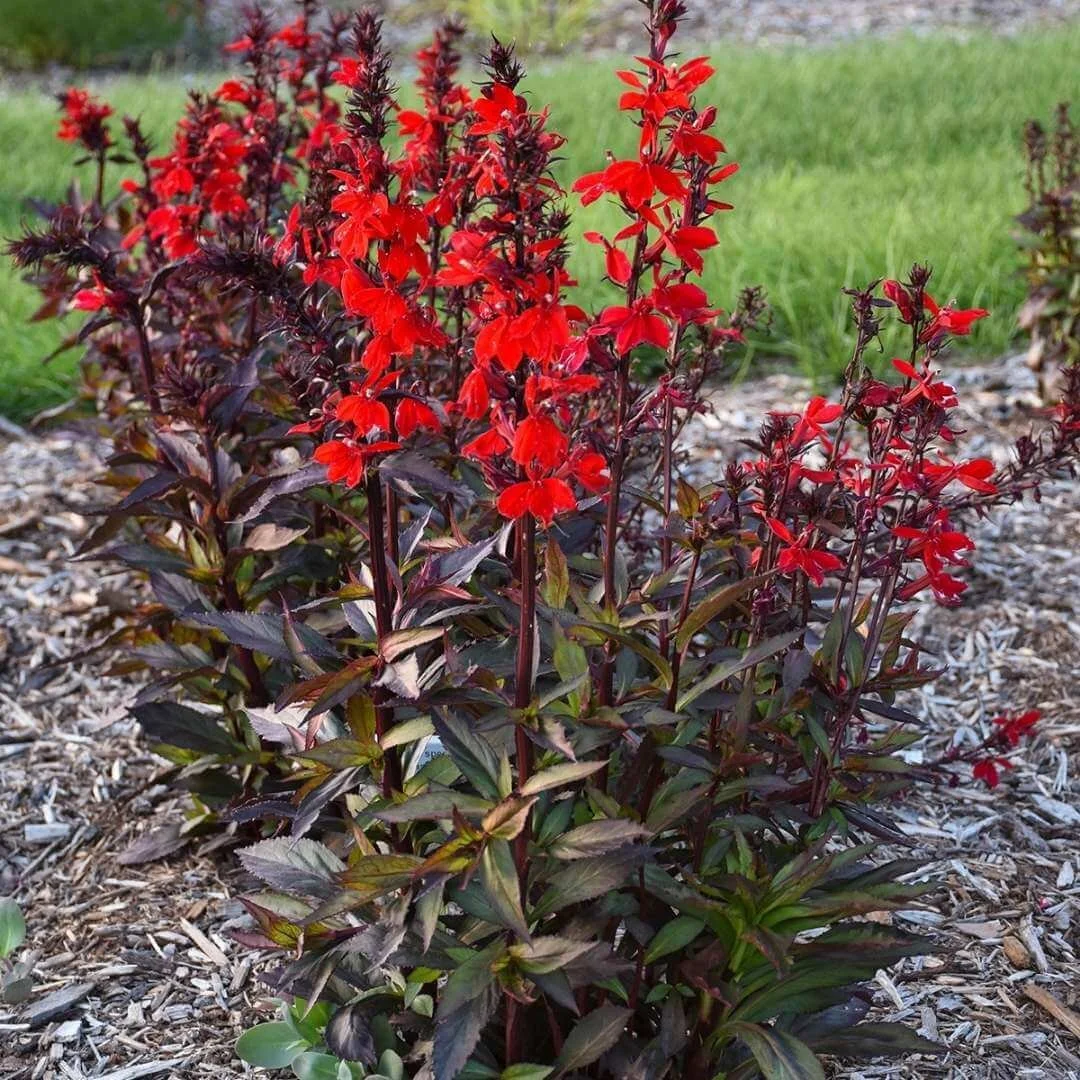
Starship™ Scarlet Bronze Leaf cardinal flower pairs brilliant scarlet blooms with bronze foliage, a colorful departure from the green leaves of the straight native species. Image courtesy of Walters Gardens, Inc.
Type: Perennial
Zones: 3-9
Light: Full sun to part shade
Bloom Time: Midsummer to early fall
Why I Love It: Brilliant red tubular flowers make cardinal flower a classic hummingbird favorite. Native Lobelia cardinalis thrives in moist soil, while cultivated varieties offer additional flower and foliage colors.
6. Hummingbird Mint
Agastache species
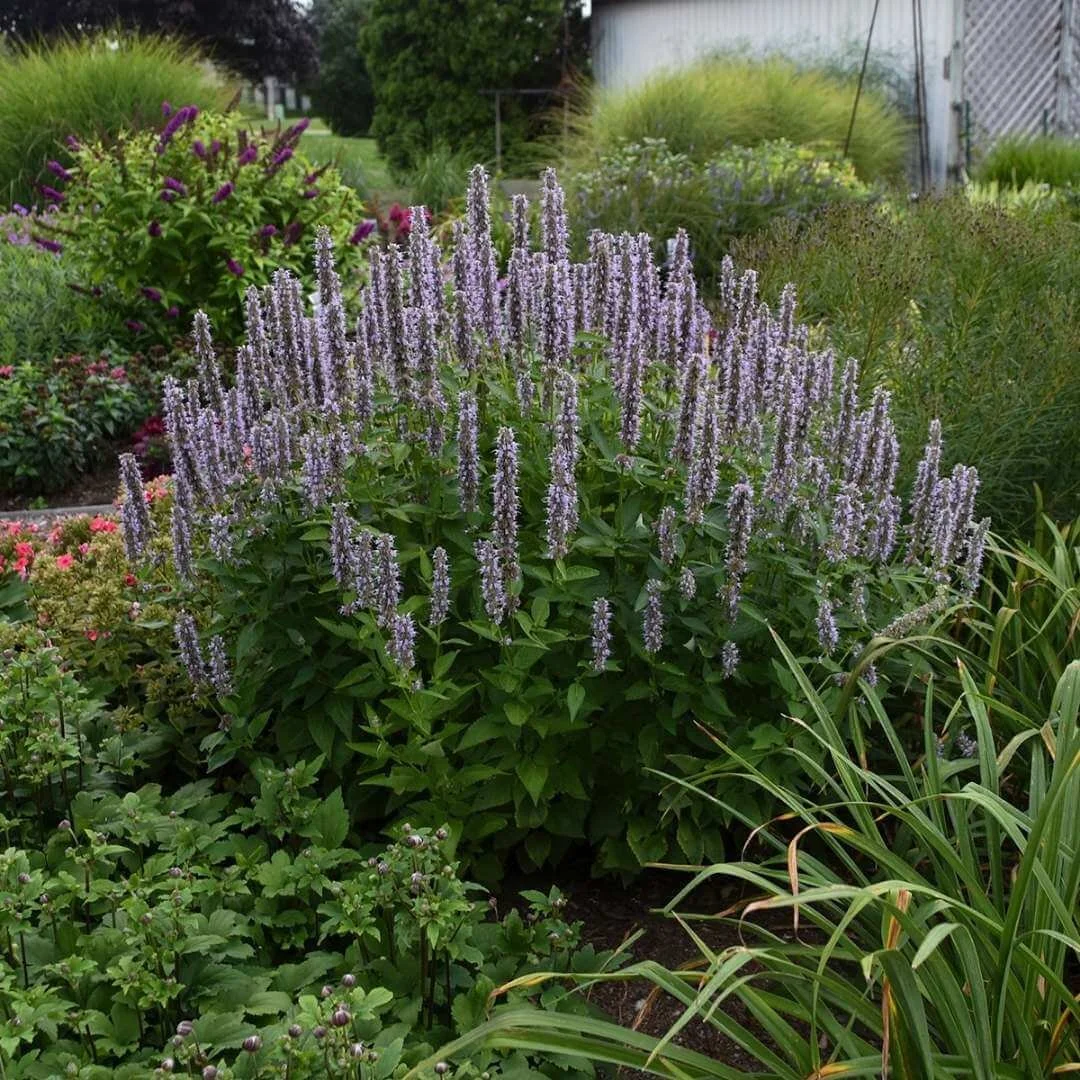
‘Blue Boa’ hummingbird mint adds tall spikes of blue-purple flowers to sunny garden beds and borders. Image courtesy of Walters Gardens, Inc.
Type: Perennial
Zones: 4-10, depending on variety
Light: Full sun
Bloom Time: Summer to early fall
Why I Love It: The name says it all. Hummingbird mint produces masses of nectar-rich flowers in summer and is an easy way to add both color and hummingbird activity to a sunny garden.
7. Bluebeard
Caryopteris species
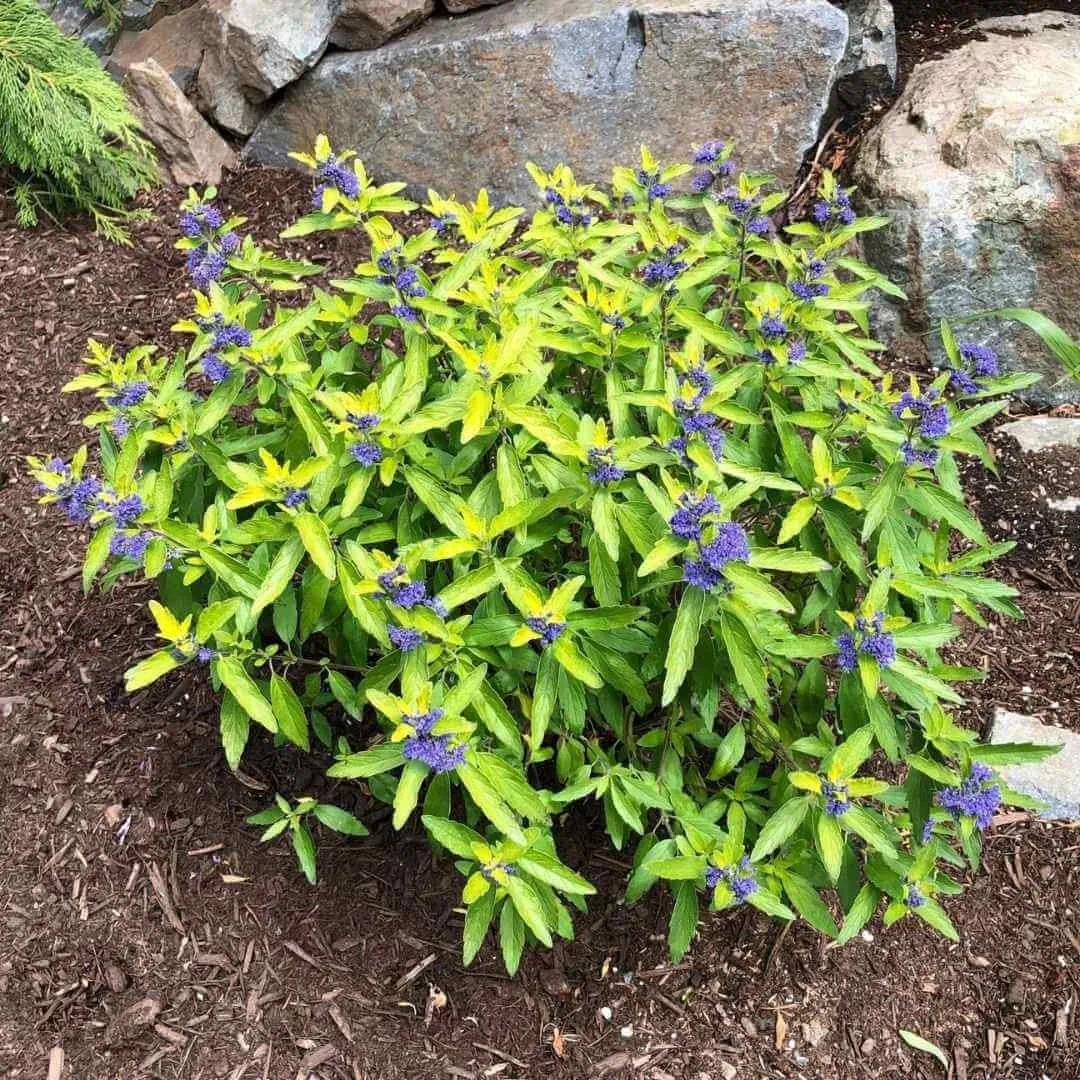
‘Beekeeper’ bluebeard brings soft blue flowers and a tidy, mounded shape to late-summer hummingbird garden beds. Image courtesy of Van Belle Nursery - Bloomin’ Easy
Type: Shrub
Zones: 5-9
Light: Full sun
Bloom Time: Late summer to mid-fall
Why I Love It: Bluebeard brings clouds of blue flowers to the hummingbird garden in late summer, when many earlier bloomers are beginning to fade. Its compact, shrubby habit also makes it easy to work into mixed borders.
8. Seven Son Flower
Heptacodium miconioides
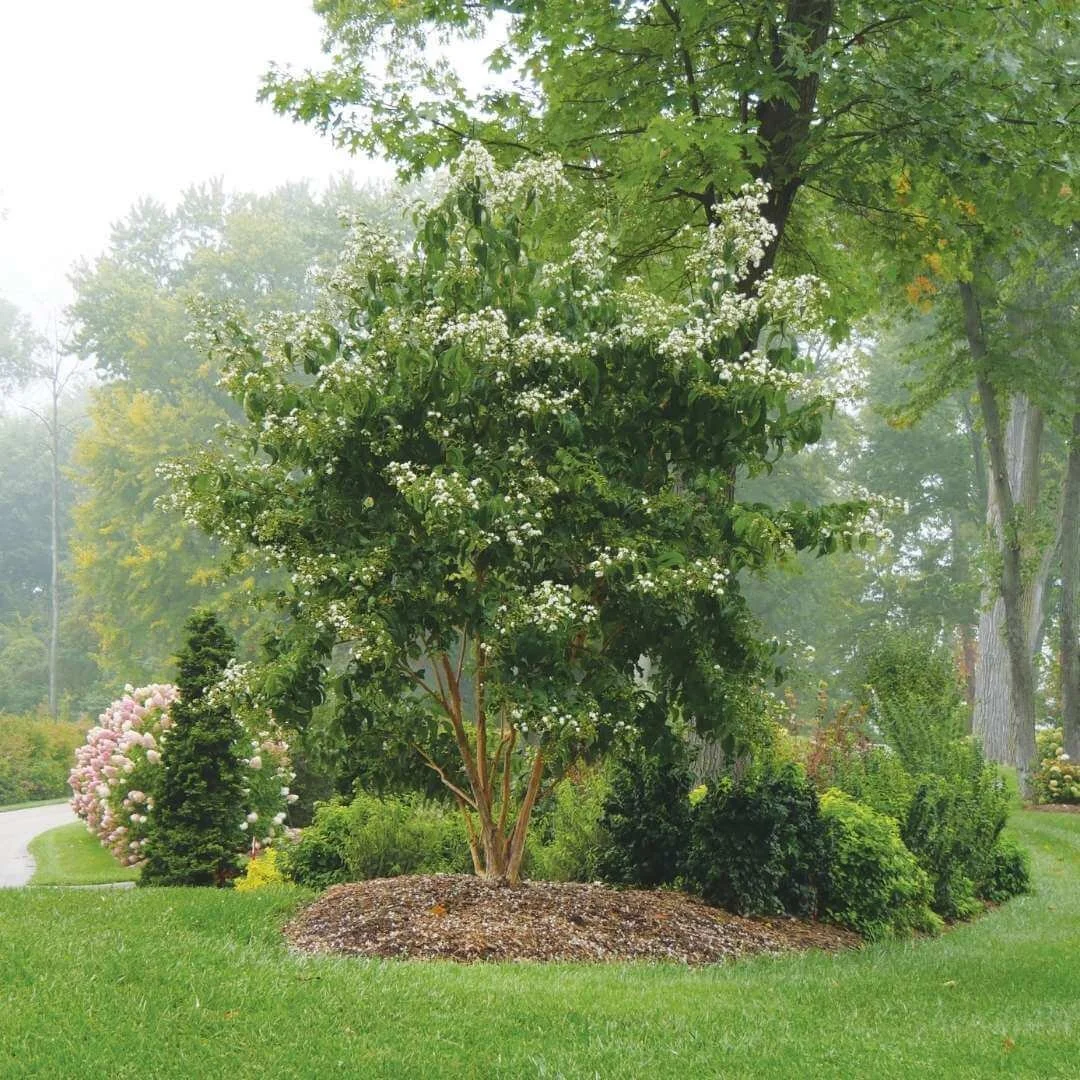
Temple of Bloom® seven-son flower is a beautiful way to add a flowering tree layer to your hummingbird garden. Image courtesy of Spring Meadow Nursery - Proven Winners, provenwinners.com
Type: Small tree
Zones: 5-9
Light: Full sun to part shade
Bloom Time: Late summer to early fall
Why I Love It: Seven-son flower isn't on every gardener's radar, but hummingbirds love its fragrant late-summer flowers. This small tree provides nectar when many other flowering trees are long finished, with peeling bark and colorful fall calyces adding interest later in the season.
9. Bee Balm
Monarda species
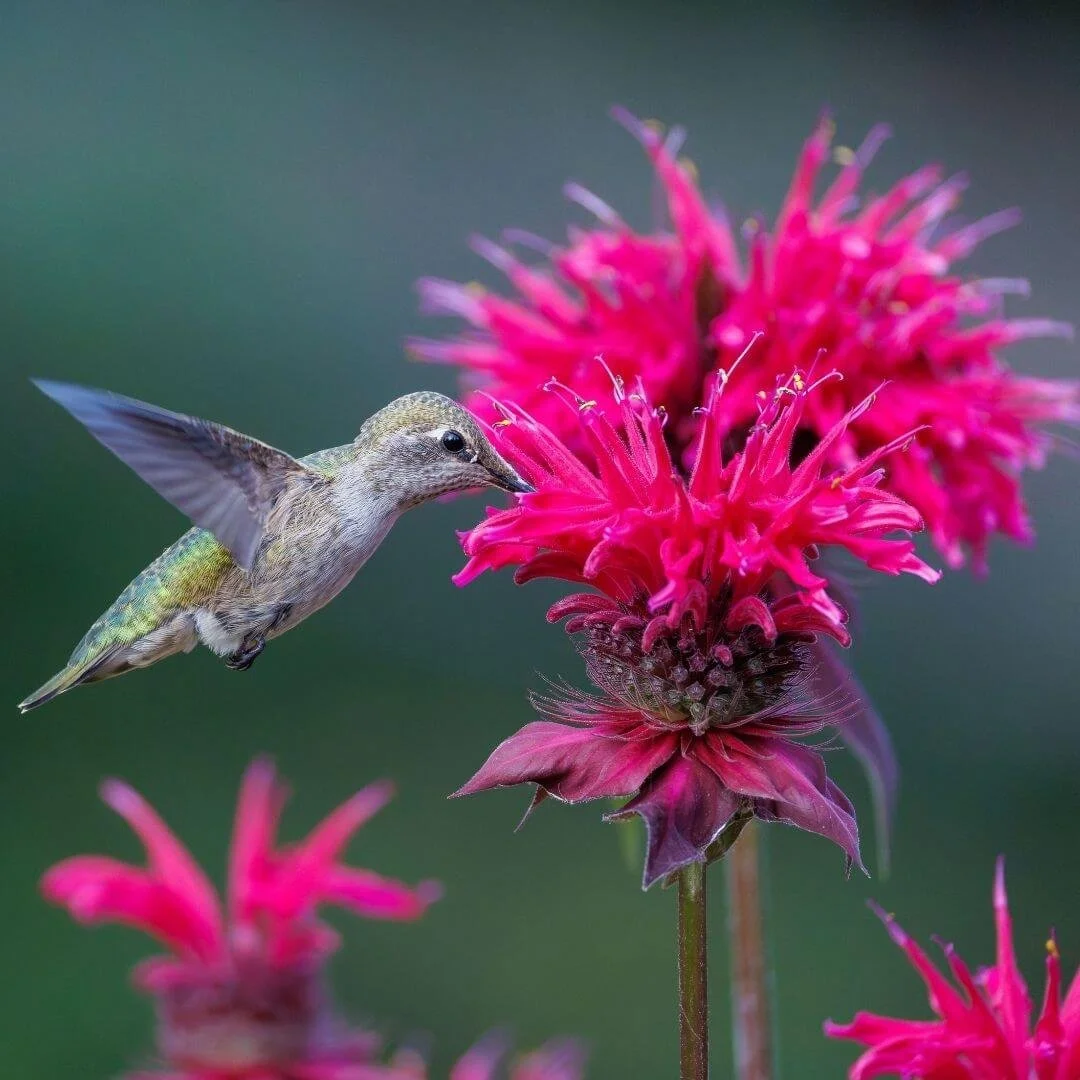
A hummingbird visits bee balm, one of the best summer plants to attract hummingbirds. Image credit @Veronika Andrews via Canva.com
Type: Perennial
Zones: 4-9
Light: Full sun to part shade
Bloom Time: Summer to early fall
Why I Love It: Bee balm is a summer garden classic, with shaggy, nectar-rich flowers that hummingbirds visit again and again. There are several native species to choose from, including wild bergamot (Monarda fistulosa), plus colorful cultivars in a range of flower colors and plant sizes to fit almost any hummingbird garden.
10. Bleeding Heart
Lamprocapnos spectabilis (formerly Dicentra spectabilis)
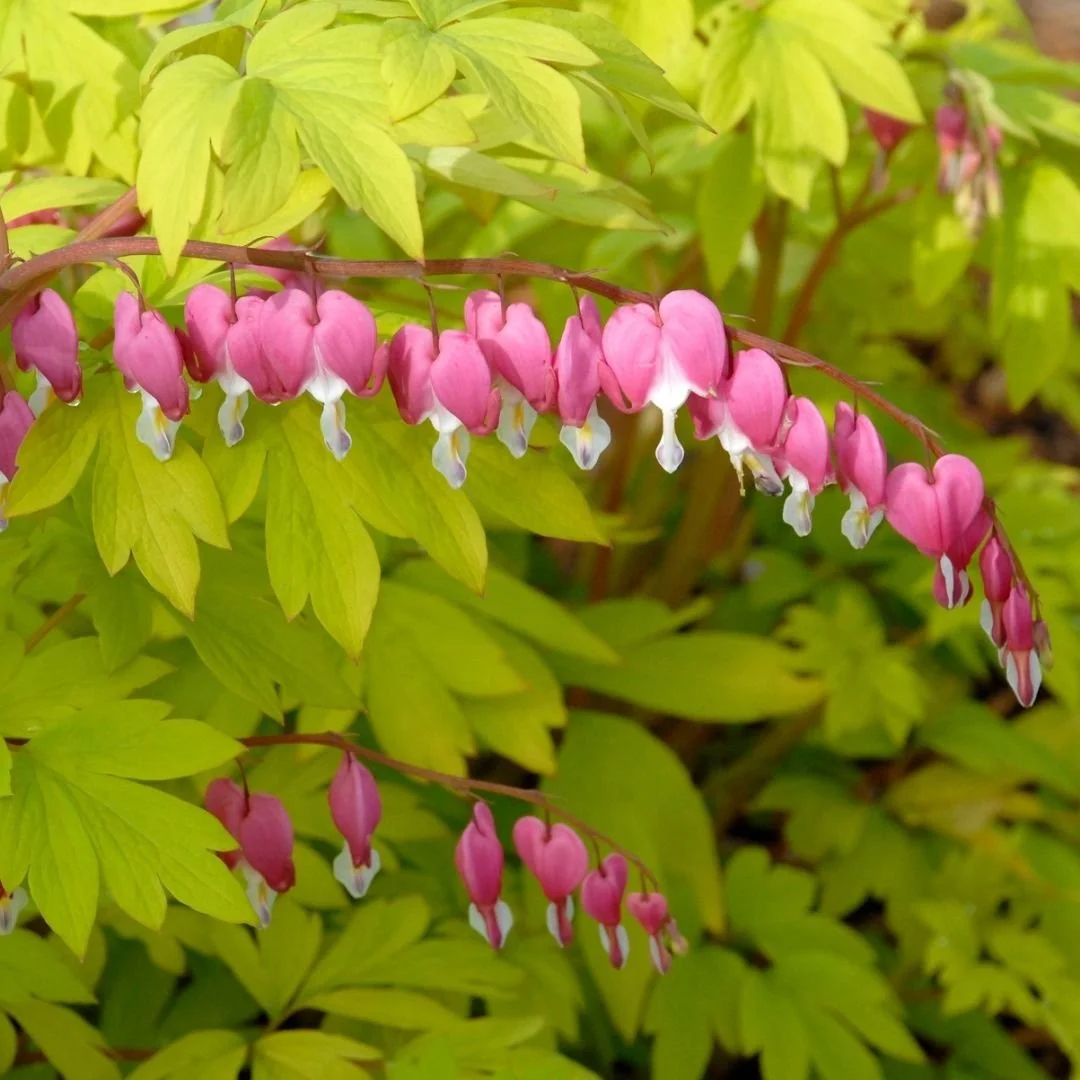
‘Gold Heart’ bleeding heart is a beautiful choice for shade and a reminder that plants that hummingbirds like aren't limited to sunny garden beds. Image courtesy of Walters Gardens, Inc.
Type: Perennial
Zones: 3-9
Light: Part to full shade
Bloom Time: Late spring to early summer
Why I Love It: Bleeding heart's dangling spring flowers provide an early nectar source while adding color to shady garden corners. It's a great reminder that hummingbird-friendly plants aren't limited to sunny garden beds.
11. Trumpet Honeysuckle
Lonicera sempervirens
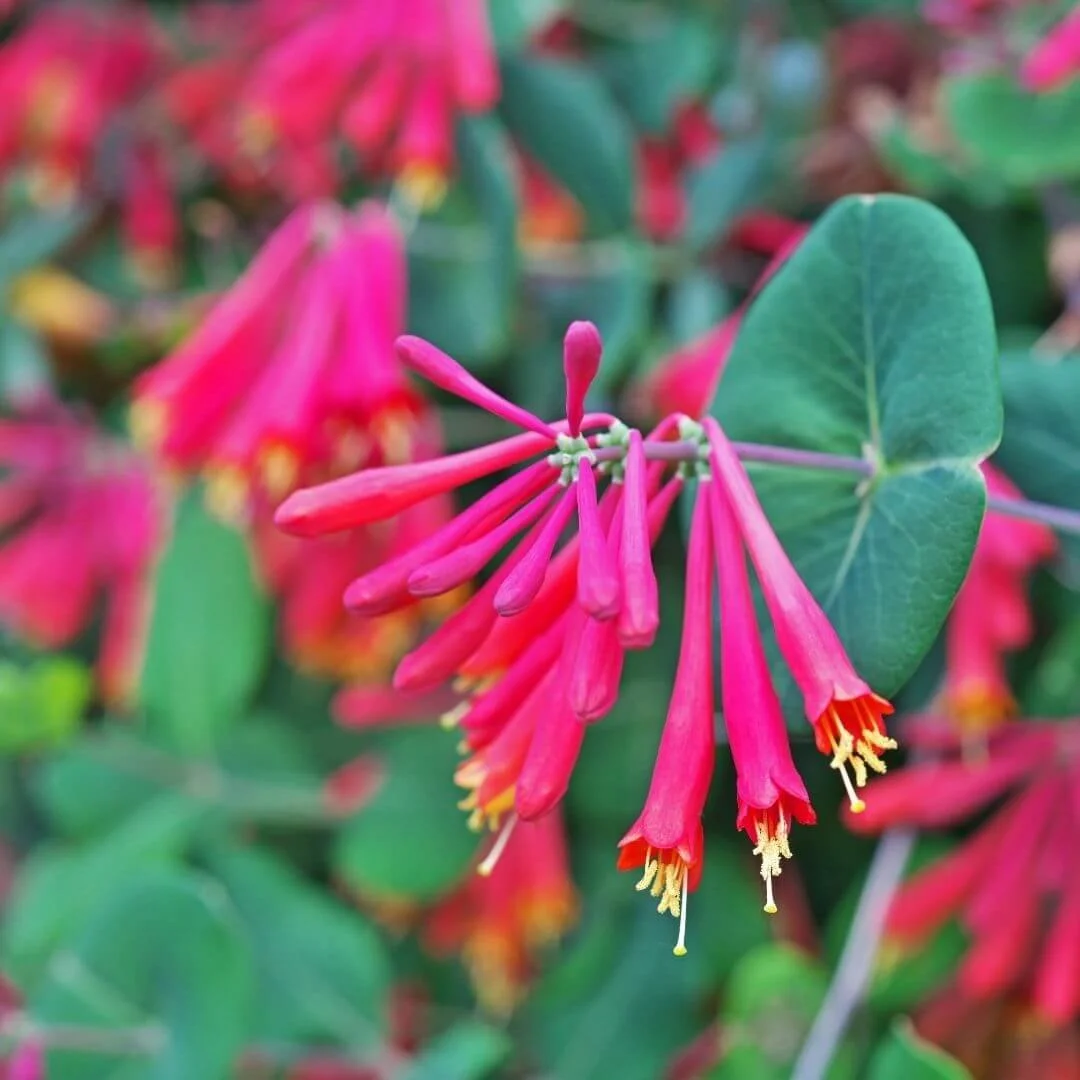
The tubular flowers of native trumpet honeysuckle are perfectly shaped for visiting hummingbirds. Image credit @igaguri_1 via Canva.com
Type: Perennial vine
Zones: 4-9
Light: Full sun
Bloom Time: Spring, with intermittent blooms through fall
Why I Love It: Native trumpet honeysuckle (Lonicera sempervirens) is a beautiful climbing vine with nectar-rich flowers that hummingbirds love. Just don't confuse it with Japanese honeysuckle (Lonicera japonica), an aggressive invasive vine that can quickly smother surrounding plants.
12. Zinnia
Zinnia elegans
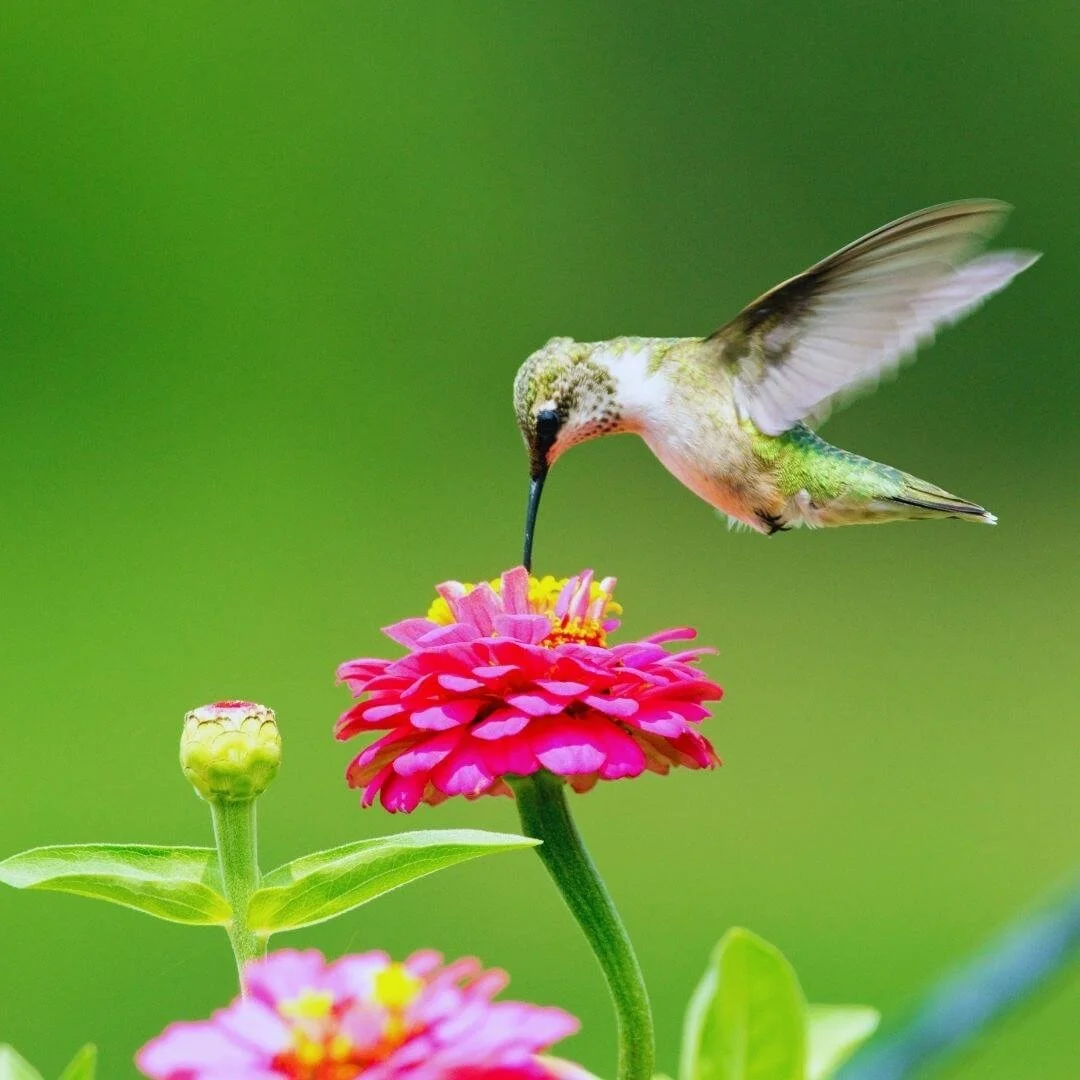
Zinnias are an easy way to add summer color and a reliable nectar source to your hummingbird garden. Image credit @robert brown via Canva.com
Type: Annual
Zones: 2-11
Light: Full sun
Bloom Time: Summer until frost
Why I Love It: Zinnias are inexpensive, easy to grow, and bloom for months, making them a simple way to add more hummingbird-friendly flowers to the garden. Choose single-flowered varieties when possible, which make it easier for hummingbirds to access the nectar.
13. Pinxterbloom Azalea
Rhododendron periclymenoides
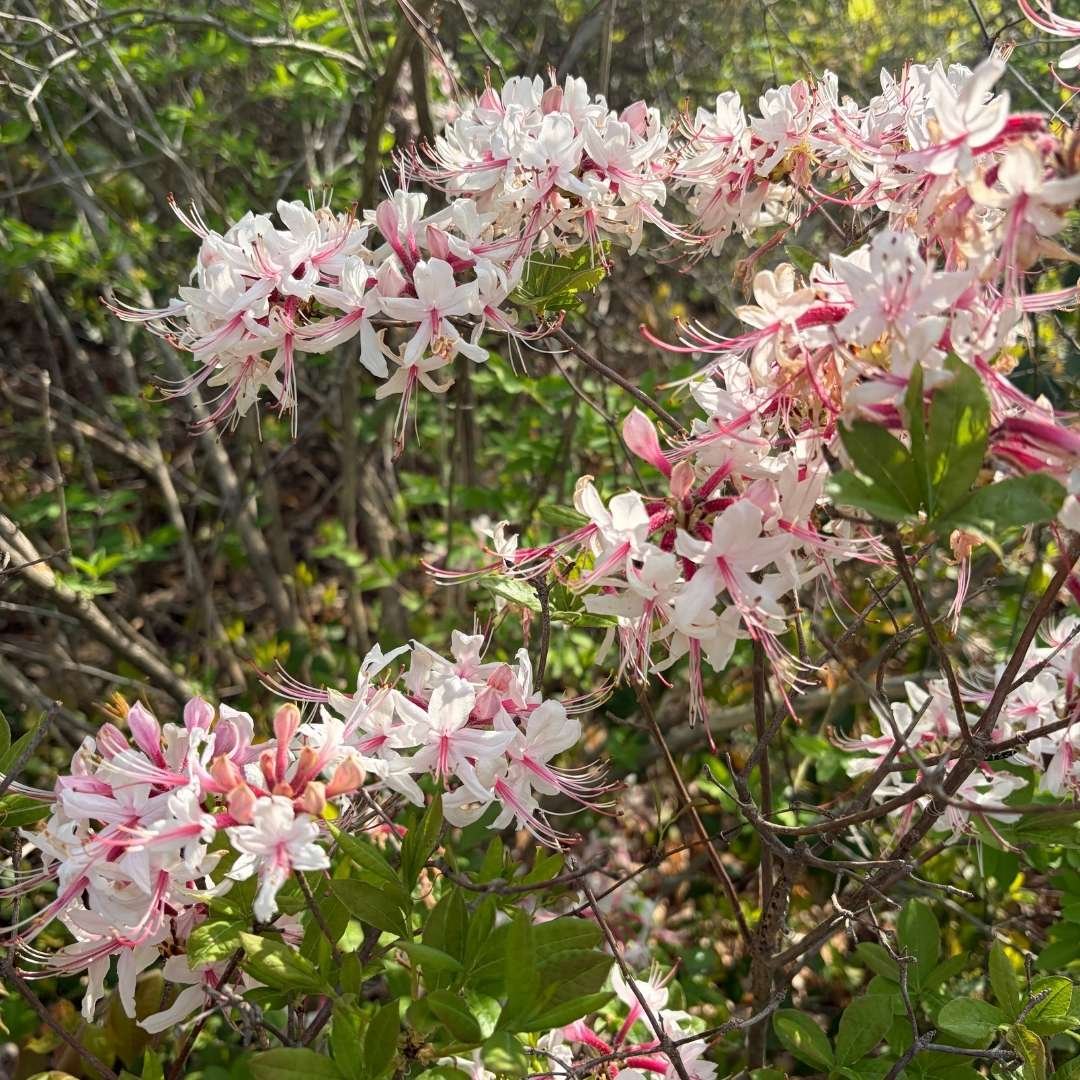
Pinxterbloom azalea is a beautiful choice for adding spring flowers to a hummingbird garden in partial or dappled shade. Image © Zachary Martin, used with permission
Type: Shrub
Zones: 4-9
Light: Full sun to part shade
Bloom Time: Spring
Why I Love It: This native azalea blooms in spring, providing nectar around the time hummingbirds are returning from migration. Its soft pink flowers are also a beautiful choice for woodland edges and partly shaded gardens.
14. Red Buckeye
Aesculus pavia
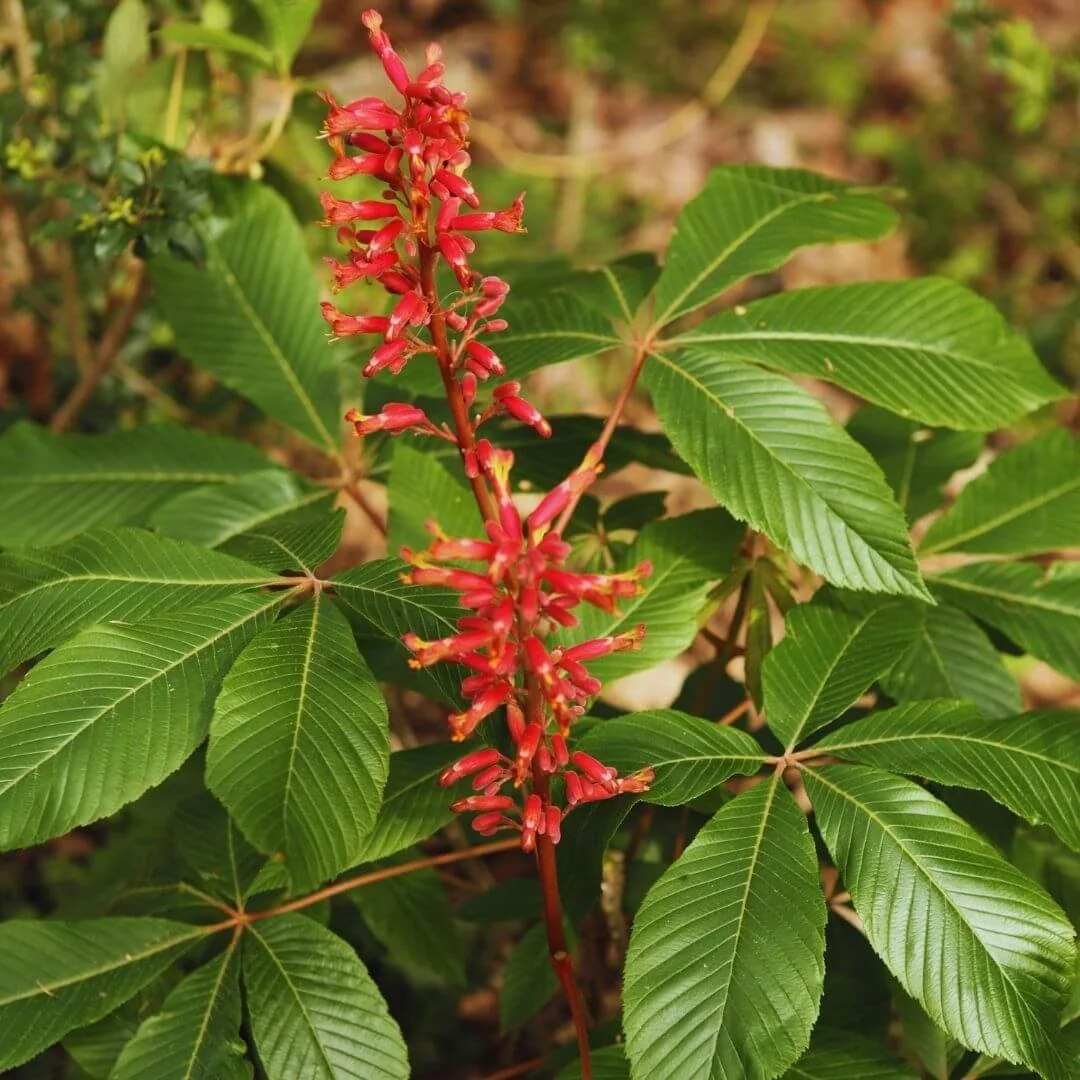
Red buckeye's spring flowers are an important nectar source for hummingbirds as they return from migration. Image credit @Kathryn8 via Canva
Type: Small tree
Zones: 4-8
Light: Part shade
Bloom Time: Early to late spring
Why I Love It: Red buckeye's upright clusters of tubular red flowers arrive in spring, making this native small tree especially valuable for returning hummingbirds. It's a wonderful way to add another flowering layer to your hummingbird garden.
15.Tulip Poplar
Liriodendron tulipifera
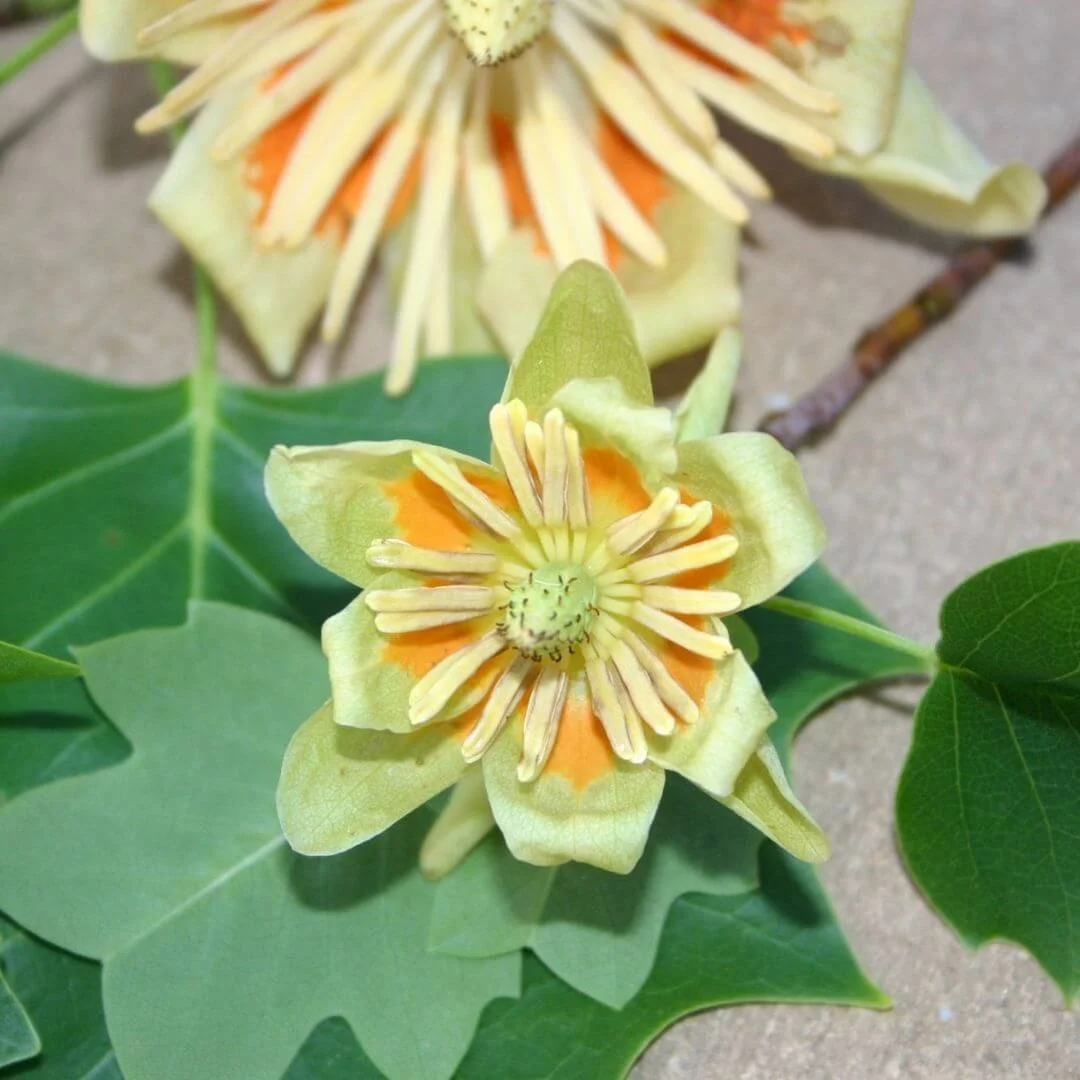
‘Little Volunteer’ tulip poplar has the same distinctive spring flowers of the species but grows at a much smaller scale, making it a better fit for smaller yards. Image courtesy of PlantHaven International
Type: Tree
Zones: 4-9
Light: Full sun
Bloom Time: Late spring to early summer
Why I Love It: Tulip poplar proves that hummingbird plants don't all have to be small or red. The straight species grows into a large shade tree, but if you're short on space, ‘Little Volunteer’ offers the same beautiful spring flowers in a much more compact size that's better suited to smaller yards and planting closer to the house.
16. Fuchsia
Fuchsia hybrids
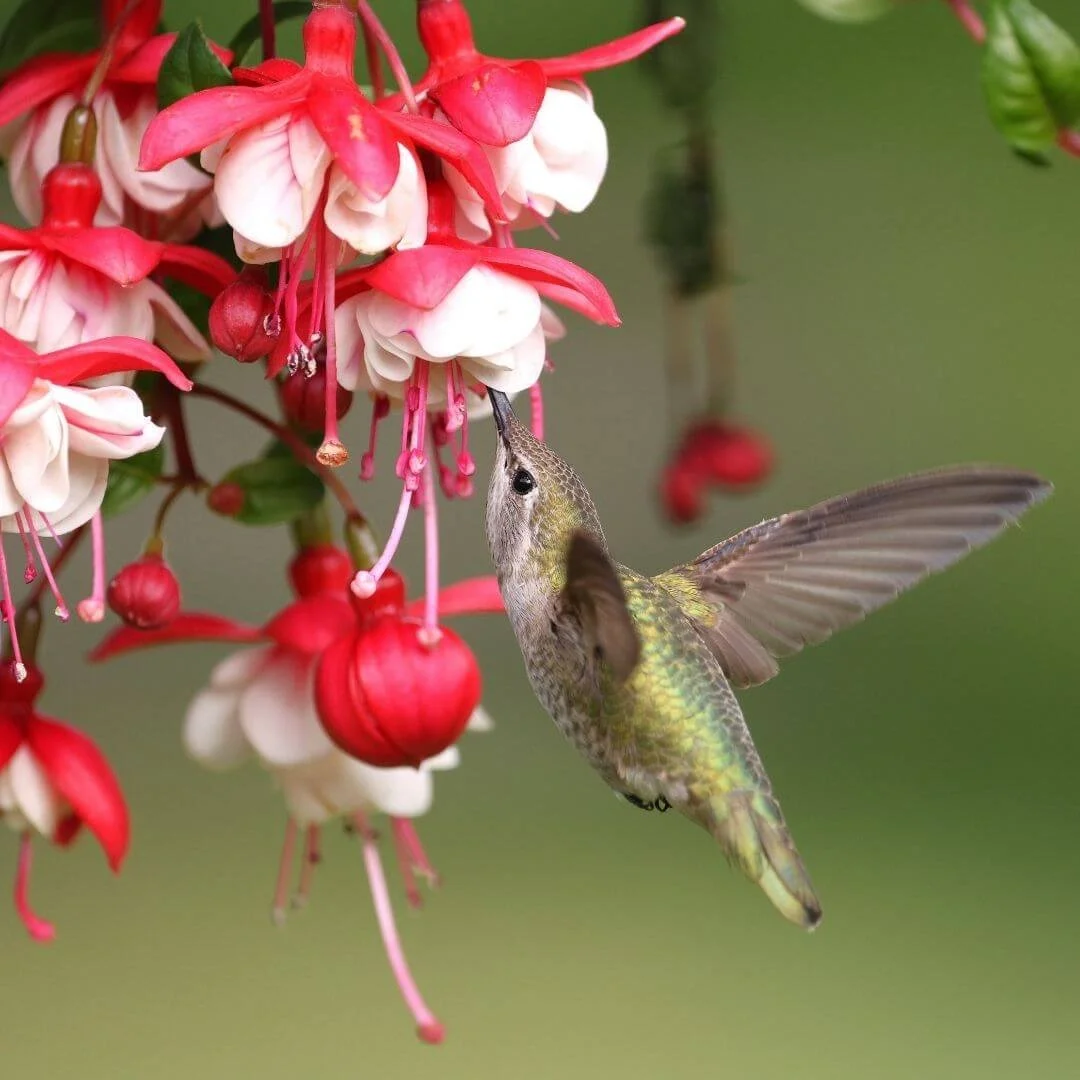
A hanging basket of fuchsia adds another flowering layer to a hummingbird garden. Image credit @Veronika_Andrews via Canva.com.
Type: Tender perennial, usually grown as an annual
Zones: Typically grown as an annual north of Zone 9
Light: Part shade
Bloom Time: Late spring through fall
Why I Love It: Fuchsia is one of the easiest plants to attract hummingbirds to patios, porches, and other small spaces, thanks to its dangling, nectar-rich flowers. Look for the flowering fuchsia hybrids commonly sold in hanging baskets and containers each spring.
17. Weigela
Weigela florida and hybrids
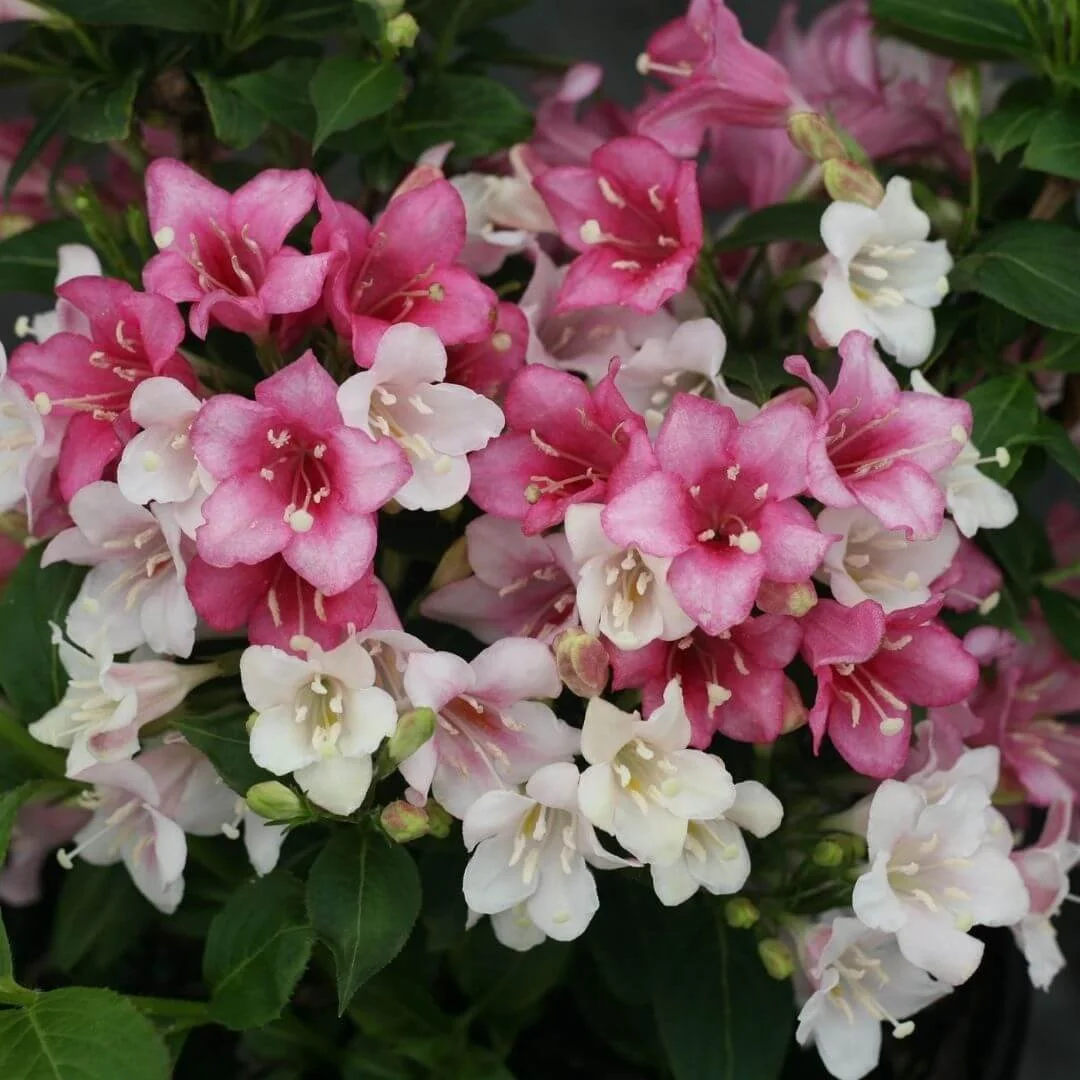
Czechmark Trilogy® weigela shows just how colorful plants that hummingbirds like can be, with pink, white, and red flowers appearing on the same shrub. Image courtesy of Ball Horticultural Company
Type: Shrub
Zones: 4-8
Light: Full sun
Bloom Time: Late spring to early summer; some reblooming varieties are available
Why I Love It: Weigela's trumpet-shaped flowers are a favorite nectar source for hummingbirds in late spring. Modern cultivars come in a wide range of sizes and foliage colors, making it easy to find one that fits into your hummingbird garden.
18. Pineapple Sage
Salvia elegans
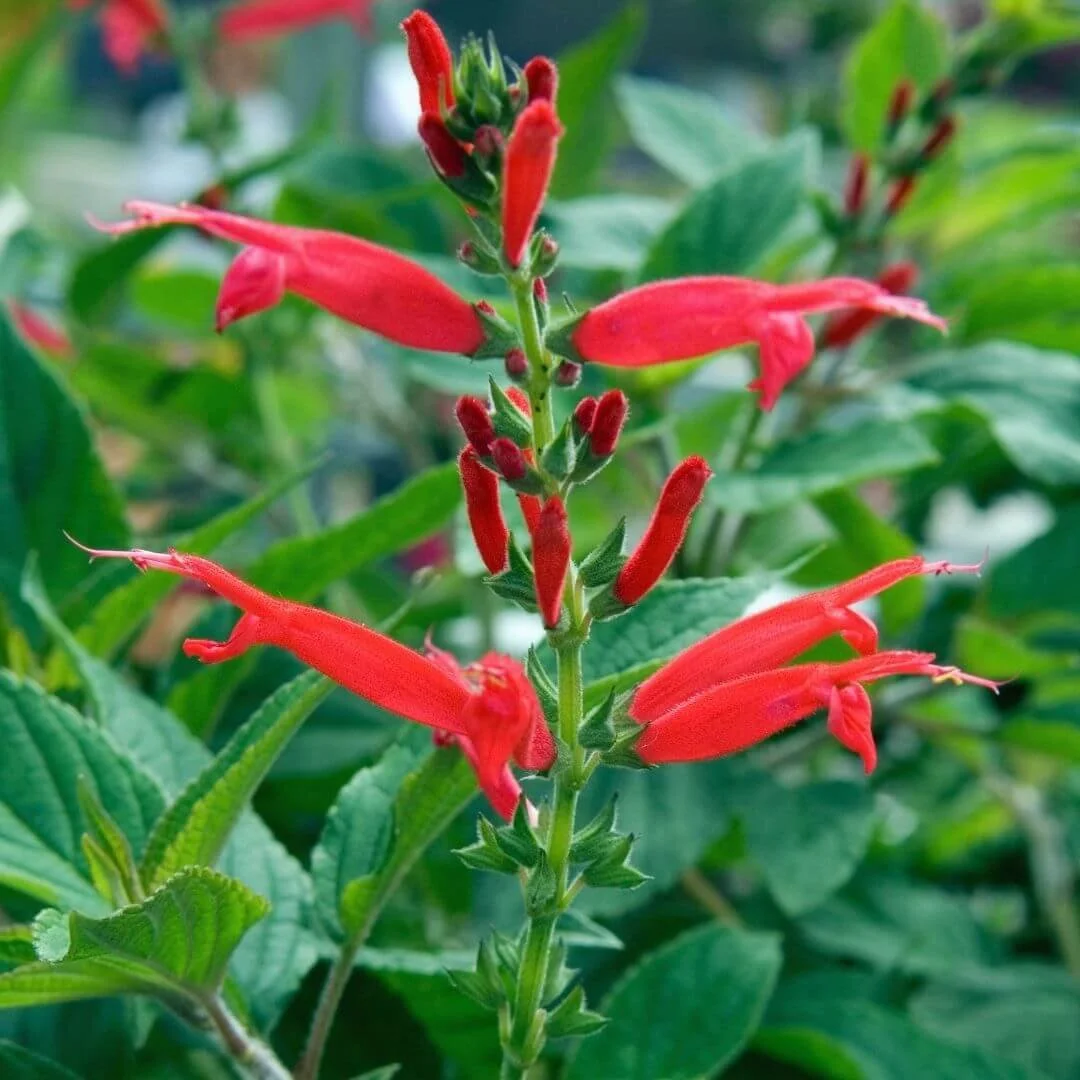
Pineapple sage adds brilliant red, nectar-rich flowers to the hummingbird garden, often blooming late into fall. Image credit @emer1940 via Canva.com
Type: Perennial
Zones: 8-11; grown as an annual north of Zone 8
Light: Full sun to part shade
Bloom Time: Late summer to fall
Why I Love It: Pineapple sage produces brilliant red tubular flowers that hummingbirds love, often continuing late into the growing season. Its pineapple-scented foliage is a fun bonus, and the edible leaves can be used in teas and cooking, giving this hummingbird favorite a useful culinary side too.