
Nikko Blue Hydrangea: Care, Pruning & Landscaping Ideas
Published: February 5, 2024 | Updated: August 27, 2026
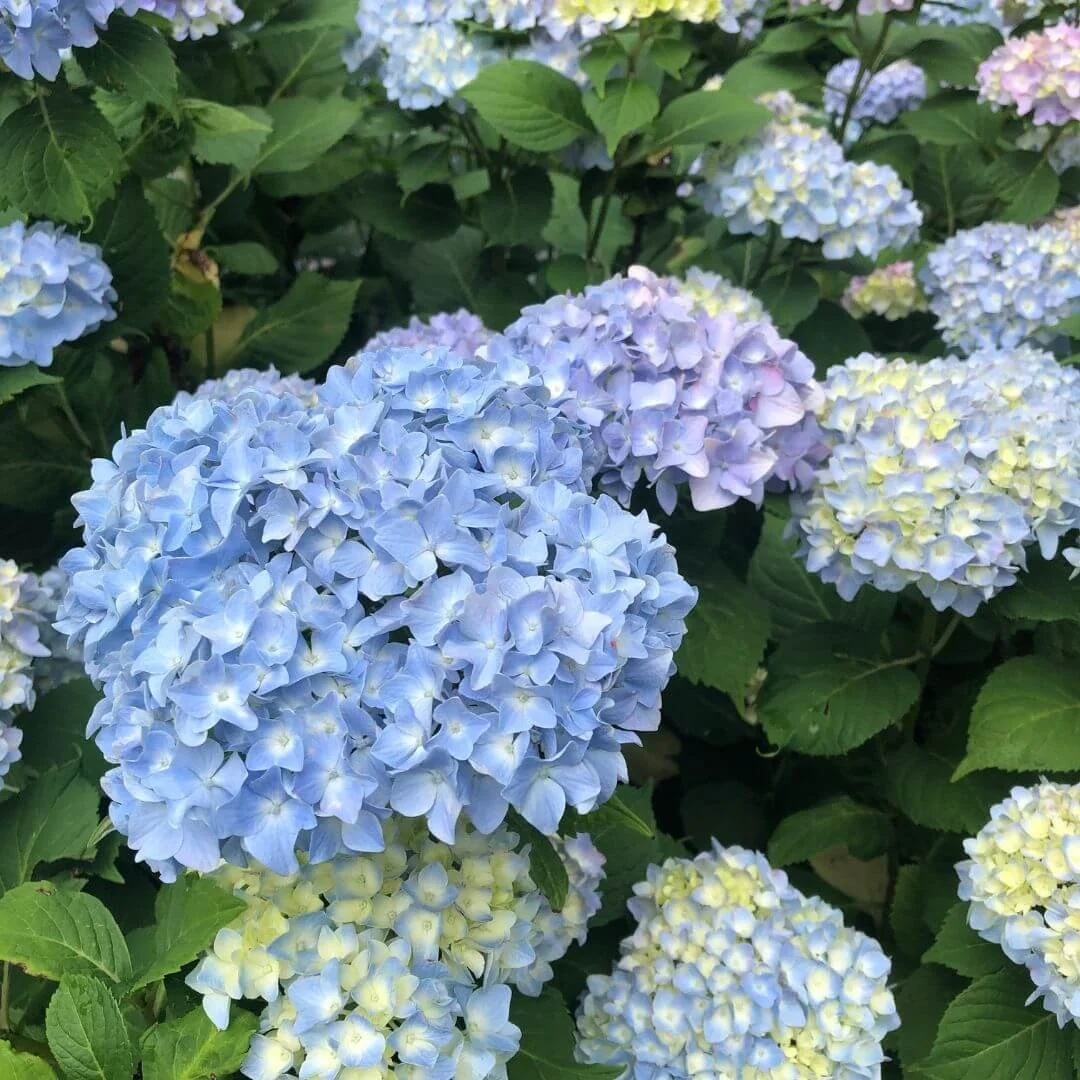
Nikko Blue is a classic bigleaf hydrangea known for its large, steel-blue mophead flowers. Image © Plant and Bloom Design Studio
Nikko Blue hydrangea (Hydrangea macrophylla ‘Nikko Blue’) is a classic hydrangea that never really goes out of style. With big, rounded mophead flowers that can turn the most gorgeous shade of steel blue, it’s the stuff of Cape Cod and Nantucket summer dreams. Depending on your soil, the flowers can also bloom in shades of purple or pink.
Unlike many of the newer reblooming hydrangeas on the market, Nikko Blue is an older, untrademarked cultivar that blooms on old wood. Its name comes from Nikko, Japan, a mountain town north of Tokyo known for its historic temples and shrines.
Growing about 4 to 6 feet tall and wide, Nikko Blue has that lush, old-fashioned hydrangea look I love in foundation plantings, cottage gardens and partially shaded garden beds. Its flower color depends largely on soil chemistry, with the famous blue flowers developing in acidic soil.
The most important thing to know before planting Nikko Blue is that it appreciates protection from hot afternoon sun. And because its flower buds form on old wood, improper pruning or winter damage can mean fewer of those beautiful mophead flowers the following summer.
Below, I’ll cover Nikko Blue hydrangea care, pruning, sun requirements, flower color, companion plants and some of my favorite ways to use this classic hydrangea in the landscape.
How to Plant and Grow Nikko Blue Hydrangea
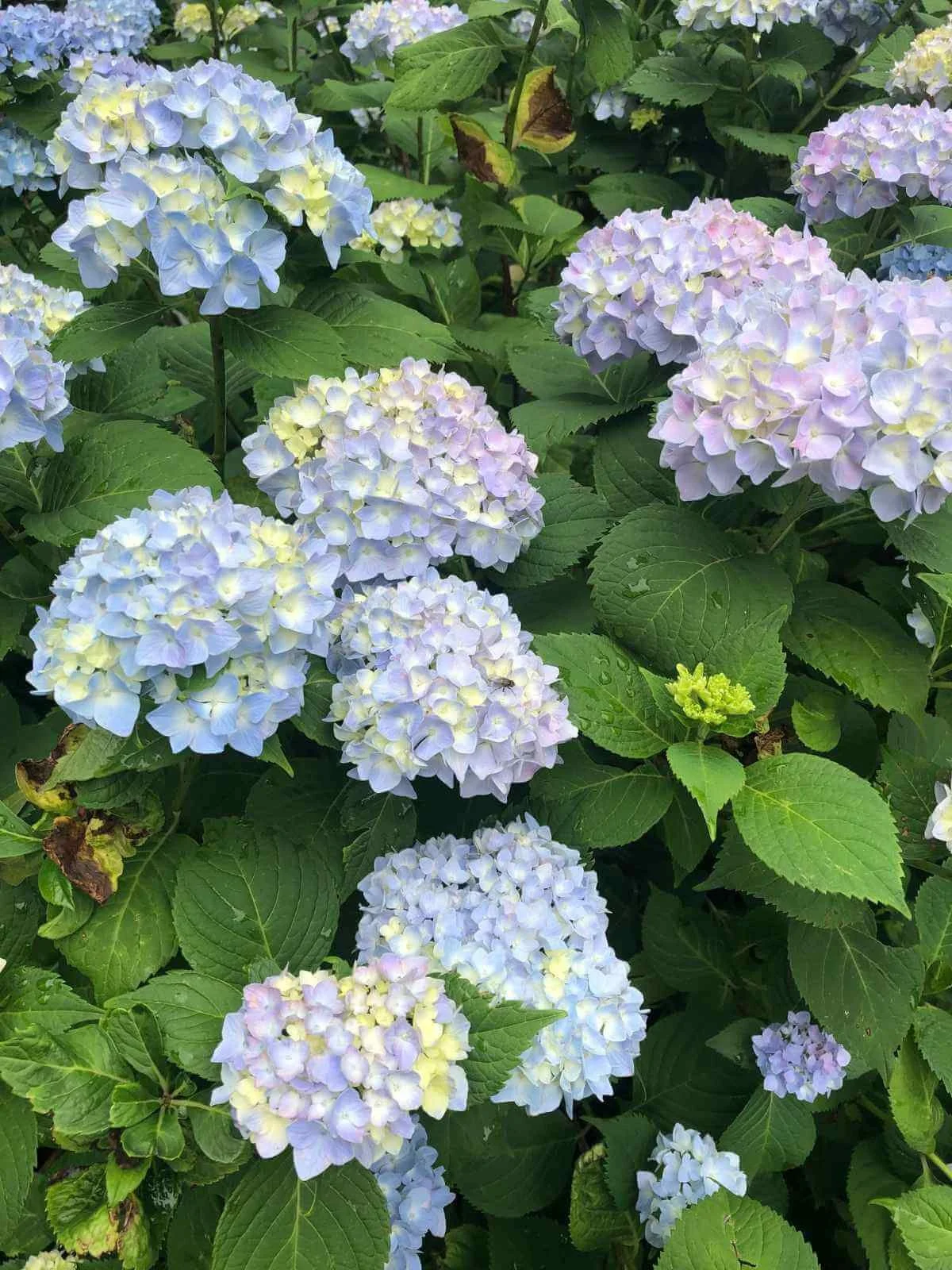
Nikko Blue hydrangea grows best in part shade, with morning sun and protection from hot afternoon sun. Image © Plant and Bloom Design Studio
Planting: The best time of year to plant a Nikko Blue hydrangea is in the spring or fall, giving the roots time to establish before the onset of extreme hot or cold weather. Water deeply immediately after planting.
Location: Choose a location with well-drained soil that is rich in organic matter. Nikko Blue hydrangeas prefer soil that retains moisture but does not become waterlogged. Select a spot with partial shade and protection from the intense afternoon sun.
Soil: Amend the soil with organic matter, such as compost or shredded leaves to improve drainage and soil fertility. If you would like your Nikko Blue hydrangea to bloom specifically pink or blue, consider getting a soil test and adding either sulfur or lime to the soil. Add sulfur for blue flowers and lime for pink blooms.
Mulch: Apply a layer of organic mulch around the base of the plant to retain soil moisture, regulate temperature, and suppress weeds. Make sure the mulch does not touch the base of the plant.
Watering: Keep the soil consistently moist but not waterlogged, especially during periods of drought. Deep watering is preferable to encourage the development of a strong root system.
Fertilization: Hydrangeas typically do not need fertilization when they are given the rich, fertile soil they prefer. Each spring, spread a layer of compost, shredded leaves or Leaf-gro around the base of your hydrangea, being careful to keep away from the base of the shrub.
Pruning: Nikko Blue hydrangeas bloom on old wood, meaning their flower buds for the following year form on stems produced the previous season. They don't need regular pruning, but if you do need to prune for size or shape, prune soon after flowering. Avoid pruning later in the season, when next year's flower buds may already be forming. Dead or damaged wood can be removed as needed.
Want to learn more? My Hydrangea Care Guide: Planting, Pruning & Color Changes covers everything from planting and watering to pruning and flower color.
Why Isn’t My Nikko Blue Hydrangea Flowering?
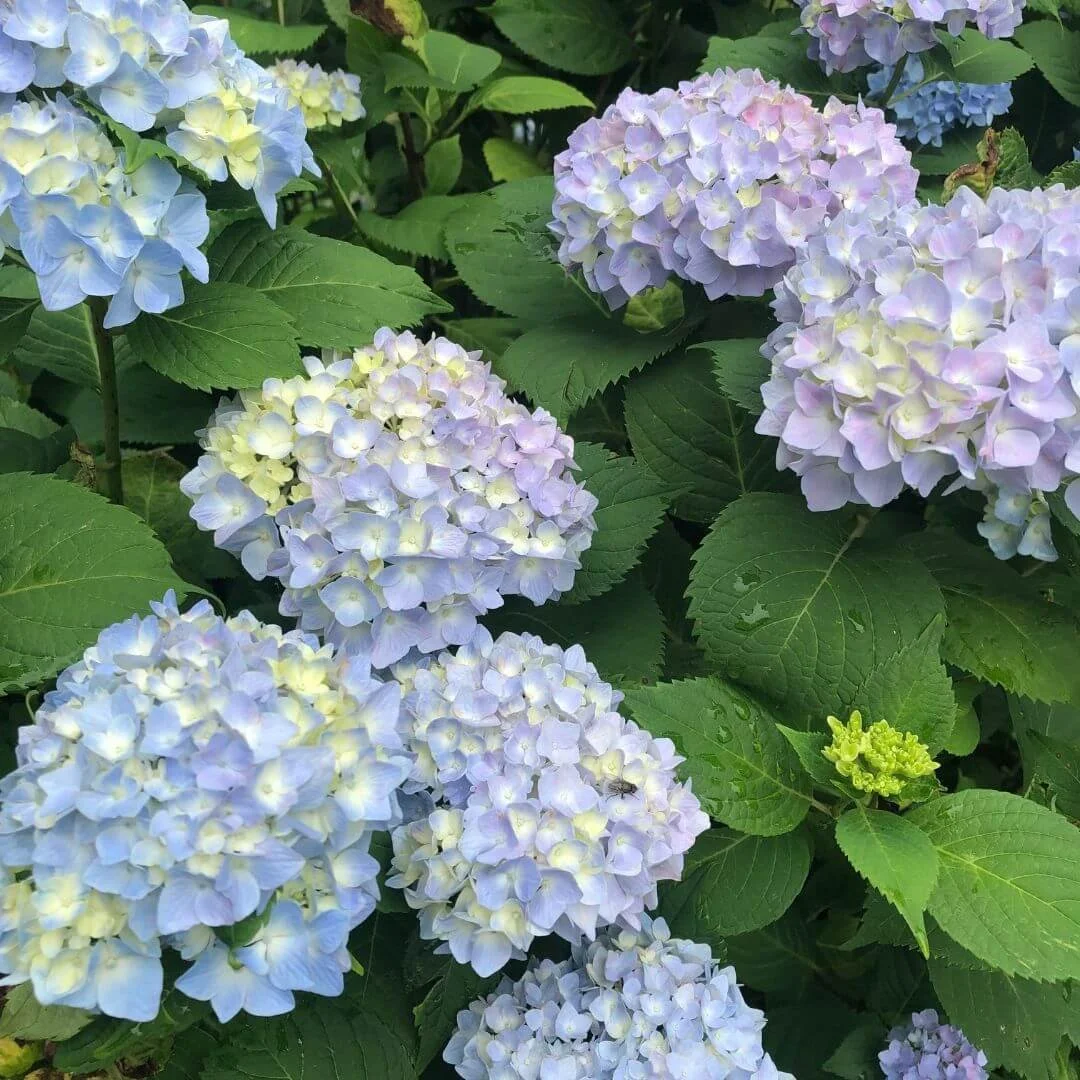
Because Nikko Blue blooms on old wood, winter cold, late spring frosts or pruning at the wrong time may mean fewer flowers the following summer. Image © Plant and Bloom Design Studio
The buds of Nikko Blue hydrangea, like those of many other bigleaf hydrangea varieties, can be susceptible to damage from extreme weather conditions.
Cold weather damage to a hydrangea can range from minor to severe, and can look like shriveled brown or black leaves and buds and drooping, wilting flower heads.
Late Spring Frosts: Nikko Blue forms its flower buds on old wood, making them vulnerable to cold damage. A late spring frost after the buds begin to emerge may damage or kill them, resulting in fewer or no flowers that summer.
Winter Cold: Extremely low winter temperatures may damage or kill dormant flower buds, especially during prolonged cold spells.
Temperature Swings: Unseasonably warm weather followed by a sudden freeze may damage developing buds and reduce flowering.
Does Nikko Blue Hydrangea Bloom on Old or New Wood?
Nikko Blue hydrangea blooms on old wood. Flower buds for the summer season have developed on the previous year's growth.
This shrub generally does not need pruning, but if you must prune your Nikko Blue hydrangea, it should be done after it has finished blooming for the year and before the next season's buds begin to form.
Pruning too late can risk removing the buds, potentially affecting the plant's blooming performance for the following season.
To put this in context of the seasonal gardening calendar:
Spring - buds have been set the previous year, so don’t prune! However, you may remove and clean out old, dead, or weak stems. You can tell which stems are dead by scratching away at the surface of each stem. If you see green, it’s a living stem and you should be left alone. If you see more brown, it’s dead and can be safely pruned away.
Summer - the shrub is flowering, enjoy the show! When flowering has finished, you have a small window of time to prune the shrub, if needed, before late summer. Flower buds develop starting in late summer - fall. Complete your pruning prior to late summer.
Fall - buds are forming for next summer’s flowering show - don’t prune! You do not need to prune back Nikko Blue hydrangeas in the fall.
Winter - buds are set for next year’s flowers - don’t prune!
Does Nikko Blue Hydrangea Like Sun or Shade?
Nikko Blue hydrangea thrives in part shade, with about 2 to 4 hours of sunlight per day. Morning sun or dappled, filtered light with afternoon shade is ideal, especially in hot climates where strong afternoon sun may cause the leaves and flowers to wilt or scorch. In cooler climates, Nikko Blue may tolerate more sun.
Companion Plants for Nikko Blue Hydrangea
Feeling inspired to plant a Nikko Blue hydrangea in your garden? Here are some ideas for planting companions. All favor the same partial shade conditions and moist, rich, well-draining soil that bigleaf hydrangeas love.
NewGen Independence Boxwood (Buxus NewGen Independence ‘SB 108’): The small evergreen leaves and structured shape of boxwoods are the perfect foil for the larger leaves and loose form of the Nikko Blue hydrangea. NewGen Independence has a rounded habit and improved disease resistance.
Japanese Andromeda (Pieris japonica): Glossy evergreen leaves and delicate, bell-shaped white flowers contrast nicely with the large leaves of Nikko Blue.
Delaware Valley White Azalea (Rhododendron ‘Delaware Valley White’): The white flowers and dark green foliage of this evergreen azalea won’t clash with the blue or pink flowers of Nikko Blue.
Tater Tot Arborvitae (Thuja occidentalis 'SMNTOBABA’ Tater Tot®): A row of these petite, 12-24 inch high globe-shaped evergreens can be planted in front of a row of Nikko Blue hydrangeas, creating a pleasing textural contrast.
Astilbe (Astilbe species): The fine textured foliage and spiky summer flowers of astilbe are the perfect partner for a Nikko Blue hydrangea. White varieties like ‘Deutschland’ look particularly nice.
Golden Variegated Hakone Grass (Hakonechloa macra ‘Aureola’): Striking, fine-textured foliage contrasts nicely with the large leaves and globe-shaped flowers of Nikko Blue.
Obsidian Coral Bells (Heuchera ‘Obsidian’): The dark purple, almost black leaves of this coral bells hybrid play up the blue to pink flowers of Nikko Blue hydrangea.
Japanese Painted Fern (Athyrium niponicum 'Pictum'): Dramatic blue-green-silver foliage, a short stature and spreading form make this a great choice for underplanting a Nikko Blue hydrangea.
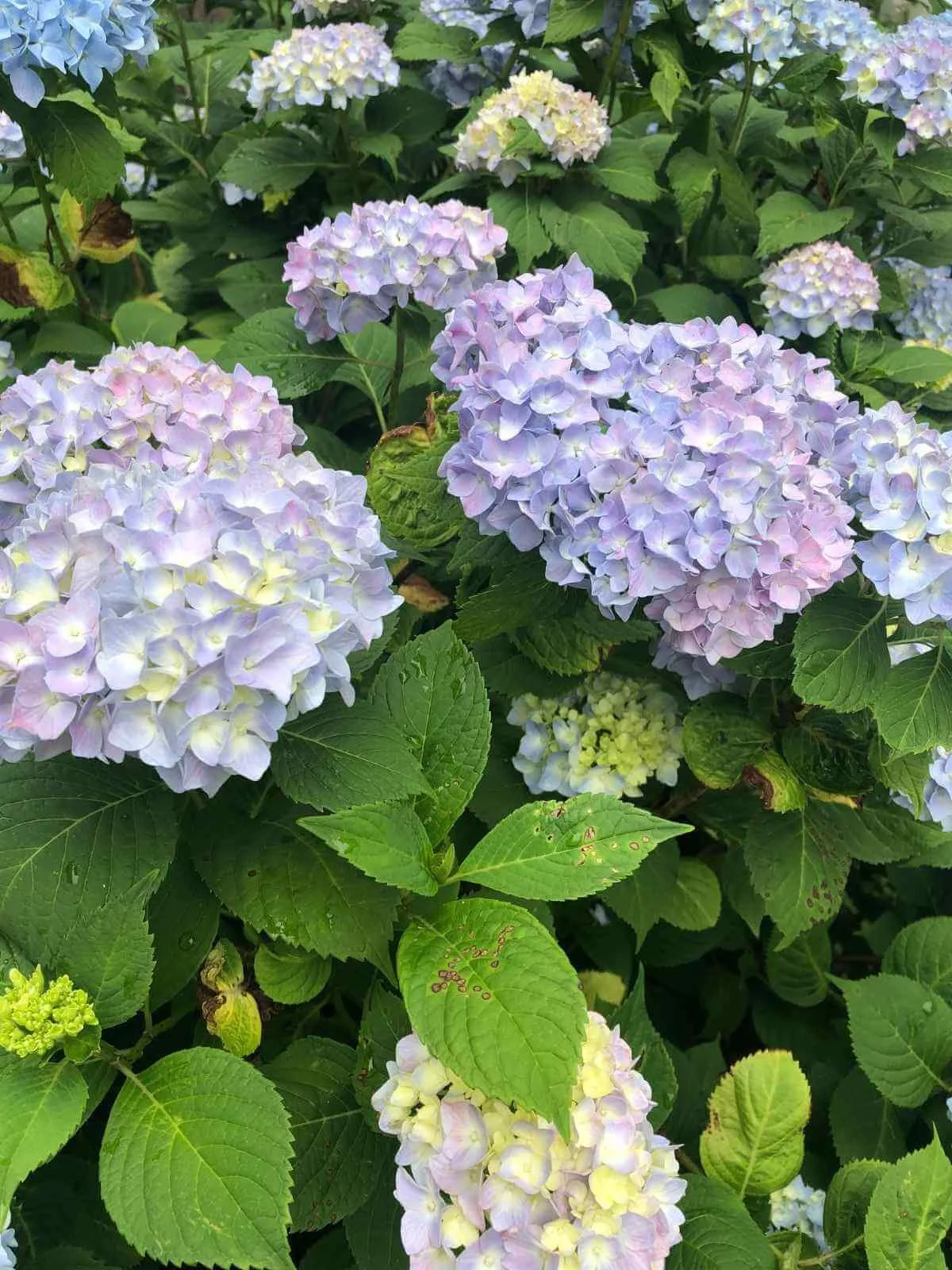
The large blue mophead flowers of Nikko Blue make it a beautiful choice for foundation plantings, mixed borders and cottage-style gardens. Image © Plant and Bloom Design Studio
Nikko Blue Hydrangea Landscaping Ideas
Foundation Planting: Nikko Blue is a classic choice near the house, where its lush foliage and big mophead flowers add color and soften the foundation.
Mixed Borders: Combine Nikko Blue with perennials, ornamental grasses and evergreen shrubs for a layered planting with year-round interest.
Mass Planting: Group three, five or more Nikko Blue hydrangeas together to create a lush sweep of color in larger garden beds or along a fence or walkway.
Woodland Garden: The dappled shade underneath the canopy of tall trees is an ideal spot for Nikko Blue. Combine it with other partial-shade loving plants like camellias, Japanese andromeda, azaleas, and rhododendrons.
Accent Planting: Use Nikko Blue hydrangea as a focal point in the landscape. Plant strategically to draw attention to specific areas of the garden, like entryways, water features, pathways, or seating areas.
Vintage Cottage Garden: For a charming, informal look, plant a Nikko Blue hydrangea alongside old-fashioned cottage garden favorites like foxgloves, tall garden phlox, hollyhocks, catmint, hibiscus, and roses.
See my guide to bigleaf hydrangeas for more varieties, care tips and landscaping ideas.
How to Change Nikko Blue Hydrangea Flower Color
You can change the color of your hydrangea blooms by manipulating the pH of the soil. The pH level affects the availability of aluminum in the soil, in turn influencing the color of hydrangea flowers.
Adding aluminum sulfate, garden sulfur, or organic matter makes the soil more acidic and will turn the color of Hydrangea Nikko Blue flowers an intense steel blue. In neutral soils, both blue and pink flowers may be present on the plant at the same time. Adding garden lime raises the soil pH and turns blooms pink. Be patient - it can take months for change to become evident!
Nikko Blue Hydrangea at a Glance
Common name: Hydrangea Nikko Blue
Botanical/Latin name: Hydrangea macrophylla ‘Nikko Blue’
Native range: Japan and China
Hardiness zones: 6-9 (can grow in zone 5 with winter protection)
Mature size: 4-6 feet tall and wide
Spacing: 4-6 feet on center
Light requirements: Partial shade
Form: Upright, multi-stemmed deciduous shrub
Growth rate: Medium to fast (13-24+ inches per year)
Flowering time: Summer
Flower color: Blue or pink
Flower form: Mophead
Fall Color: Watery yellow to gold
Deer resistant: No